Expanding margins and rising returns on capital are two of the clearest signals that a business is improving. Margins measure how much profit a company earns per dollar of revenue. Returns on capital measure how efficiently the business generates profits from its investments. When both expand together, the company is becoming more valuable with each passing year.
These trends matter because they compound. A company that improves its operating margin from 12% to 18% over five years earns 50% more profit on the same revenue base. A company that raises its return on capital from 10% to 16% generates more earnings from every dollar invested. These improvements often precede stock price appreciation because they increase intrinsic value regardless of what the market does in the short term.
The challenge is finding these businesses before the improvement is fully priced in. Stocks with already-high margins and returns on capital trade at premium valuations. The opportunity lies in identifying companies where margins and returns are inflecting higher, where the trajectory is improving even if the absolute level is not yet exceptional.
This guide explains how to screen for margin expansion and rising returns on capital, what drives these improvements, and how to use TIKR to identify businesses that are improving over time.
Why Expanding Margins Matter
Margins reveal a company’s pricing power and cost discipline. A business that can raise prices without losing customers, or reduce costs without sacrificing quality, will see margins expand. These improvements flow directly to the bottom line and often indicate a strengthening competitive position.
Gross margin expansion suggests the company is either commanding higher prices or producing goods more efficiently. This metric is particularly important because it reflects the product or service’s core economics. A company with rising gross margins is becoming more valuable at the most fundamental level.
Operating margin expansion shows that the business is scaling efficiently. Fixed costs like corporate overhead, research and development, and sales infrastructure are being spread across a larger revenue base. Operating leverage creates a powerful dynamic where each incremental dollar of revenue generates more profit than the last.
The combination is powerful. A company growing revenue at 10% annually with stable margins will see earnings grow at roughly the same rate. The same company, with margins expanding by 1 percentage point annually, might see earnings grow by 15% or more. Margin expansion acts as a multiplier on revenue growth.
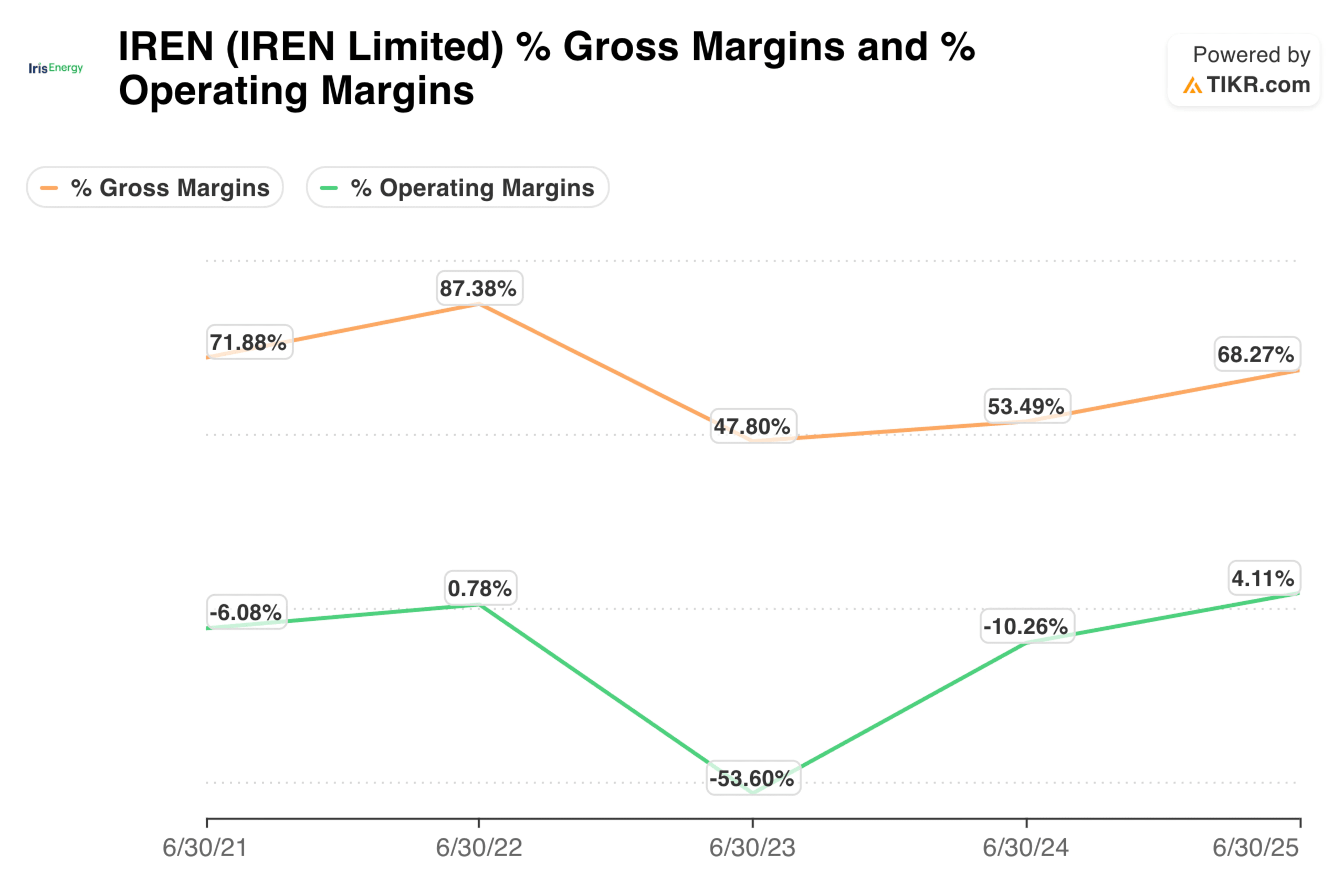
TIKR tip: Use TIKR’s Detailed Financials to view gross margin and operating margin trends over multiple years. Look for companies where both metrics show consistent improvement rather than random fluctuation.
Why Rising Returns on Capital Matter
Return on capital measures how much profit a business generates relative to the capital invested. A company with a 20% ROC earns $0.20 in operating profit for every dollar of capital deployed. This efficiency determines how quickly the business can compound value through reinvestment.
A rising ROC indicates that a company is allocating capital more effectively over time. This might reflect better investment decisions, improved operations, or a strengthening competitive position that allows the business to earn more from the same asset base.
The math of compounding favors high-ROC businesses. A company with a 20% ROC that reinvests all profits will double its earnings base in roughly 4 years. A company earning 10% ROC takes seven years to achieve the same result. Small differences in returns on capital create enormous differences in long-term value.
A rising ROC is even more valuable than a stable high ROC because it suggests improvement rather than maintenance. A company whose ROC has increased from 12% to 18% over five years is demonstrating that its competitive advantages are strengthening. This trajectory often continues as the business builds on its advantages.
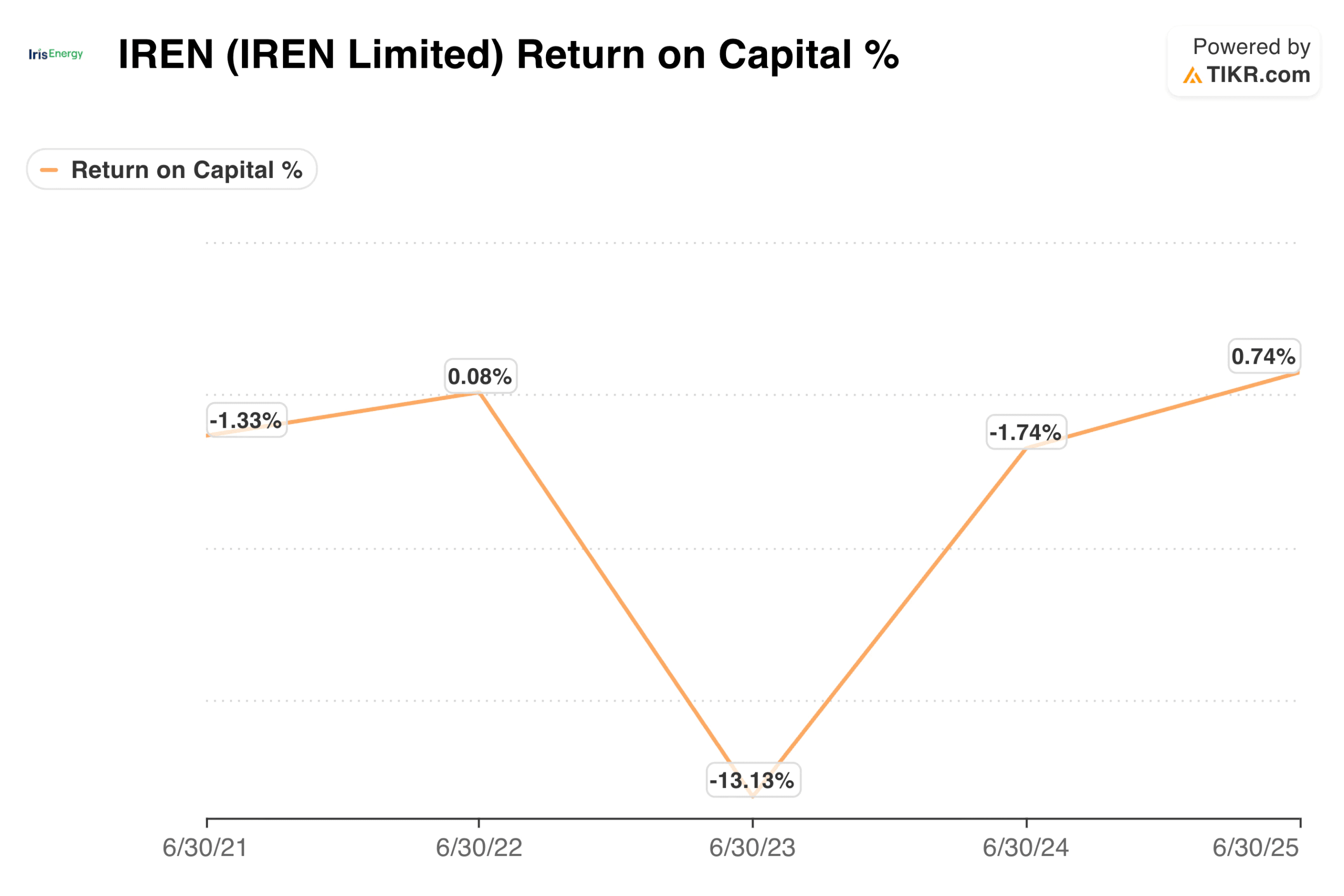
TIKR tip: Track ROC over time in TIKR’s Ratios section under Detailed Financials. Compare current returns to the five-year and ten-year averages to identify companies with a positive trend.
Find stocks with Rising Margins in less than 60 seconds with TIKR (It’s free) >>>
What Drives These Improvements
Understanding the sources of margin expansion and rising ROC helps you identify sustainable improvement versus temporary fluctuations.
Pricing power drives gross margin expansion when a company can raise prices faster than costs increase. This typically reflects strong brands, differentiated products, or high switching costs that give customers few alternatives. Pricing power is durable because it stems from competitive advantages that are difficult to replicate.
Operating leverage expands margins when fixed costs are spread across growing revenue. Software companies often exhibit strong operating leverage because the cost of serving additional customers is minimal once the product is built. As revenue scales, operating margins can expand dramatically.
Mix shift improves margins when a company sells more high-margin products relative to low-margin ones. A retailer expanding its private-label offerings or a manufacturer moving upmarket can see margins expand even without pricing changes. Watch whether mix shifts are strategic and sustainable or temporary.
Cost reduction can expand margins through efficiency improvements, supply chain optimization, or automation. These gains are real but often have limits. A company that has already optimized operations may find it difficult to further expand margins.
Capital efficiency drives rising ROC when a company generates more revenue from its asset base. This might reflect better inventory management, faster receivables collection, or higher capacity utilization. Asset-light business models naturally exhibit high ROC because they require less capital to operate.
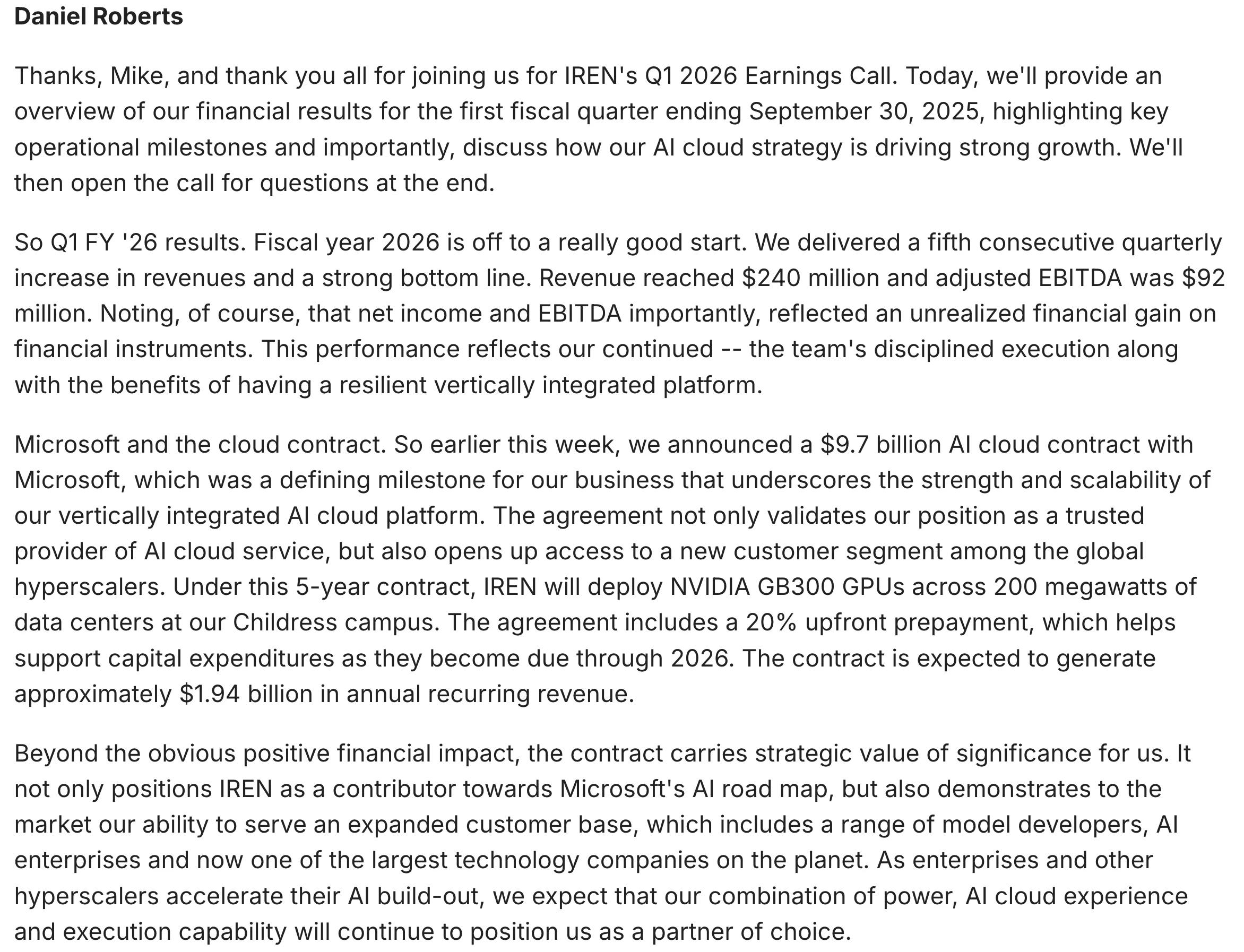
TIKR tip: Review earnings call transcripts in TIKR to understand what management attributes to margin improvement. Sustainable drivers like pricing power and operating leverage are more valuable than one-time cost cuts.
How to Screen for These Characteristics
TIKR’s Global Screener allows you to filter for companies with expanding margins and rising returns on capital. The key is setting criteria that identify positive trends rather than just high absolute levels.
Screen for margin improvement by comparing recent margins to historical averages. Look for companies where gross margin and operating margin have expanded over the past three to five years. A company with a 15% operating margin, up from 10% five years ago, is more interesting than one with a stable 18% margin.
Screen for rising ROC by filtering for companies whose current return on capital exceeds their three- or five-year average. This identifies businesses where capital efficiency is improving rather than deteriorating.
Combine with revenue growth to ensure margin expansion occurs alongside business expansion. A company can improve margins by shrinking, cutting costs, and harvesting the business. This is not the same as genuine fundamental improvement. Require positive revenue growth to filter for businesses that are both growing and becoming more profitable.
Add quality filters to eliminate companies where margin improvement reflects accounting changes or one-time items. Require positive free cash flow and reasonable debt levels to ensure the improvement is real and sustainable.
A sample screen might include: operating margin above 10%, operating margin above the three-year average, ROC above 12%, ROC above the three-year average, revenue growth positive over the past three years, and positive free cash flow.

TIKR tip: Build custom screens in TIKR’s Global Screener using margin and ROC criteria. Save the screen to run periodically and identify new companies entering the improving-fundamentals category.
Track Return on Capital across thousands of stocks on TIKR (It’s free) >>>
Evaluating the Sustainability of Improvement
Not all margin expansion and ROC improvement is sustainable. Before investing, assess whether the trends can continue or whether they reflect temporary factors.
Consider the competitive response. If a company improves margins by raising prices, will competitors match those increases or undercut them? Sustainable margin expansion typically requires competitive advantages that prevent rivals from eroding the gains.
Examine the source of improvement. Margin expansion driven by pricing power or operating leverage is more durable than that driven by cost cuts or favorable commodity prices. Ask whether the improvement can continue for another five years or whether it has already run its course.
Compare to industry peers. If the entire industry is seeing margin expansion, the improvement may reflect cyclical factors rather than company-specific advantages. If one company is improving while peers stagnate, the gains are more likely to persist.
Watch for investment requirements. Some margin expansion comes at the cost of underinvestment. A company cutting research and development or deferring maintenance can boost short-term margins while damaging long-term competitiveness. Verify that the business continues investing appropriately for growth.
Check cash flow confirmation. Margin expansion should translate into improved cash flow. If operating margins are rising but free cash flow is flat or declining, the accounting may be more favorable than the underlying economics.

TIKR tip: Use TIKR to compare the company’s margin and ROC trends against competitors in the same industry. Company-specific improvement is more valuable than industry-wide tailwinds.
Red Flags to Avoid
Certain patterns suggest that margin expansion or ROC improvement may be misleading or unsustainable.
One-time benefits can inflate margins temporarily. A legal settlement, favorable contract renegotiation, or asset sale might boost current-period results without reflecting ongoing improvement. Look for consistency across multiple years rather than a single strong period.
Acquisition accounting can obscure true margin trends. Companies that grow through acquisition may report improved margins due to purchase accounting adjustments rather than operational improvement. Focus on organic margin trends when evaluating serial acquirers.
Revenue recognition changes can shift the timing of revenue and expenses, temporarily boosting margins. New accounting standards or management judgment calls about when to recognize revenue can create artificial improvements.
Cyclical peaks often coincide with high margins and returns on capital. A commodity producer at the top of the cycle will show excellent metrics that deteriorate when prices fall. Understand where the company sits in its industry cycle before extrapolating current trends.
A shrinking denominator can artificially improve the ROC. A company that writes off assets or takes impairment charges reduces its capital base, thereby mechanically increasing returns on capital even without operational improvements. Verify that ROC gains reflect better performance rather than accounting adjustments.
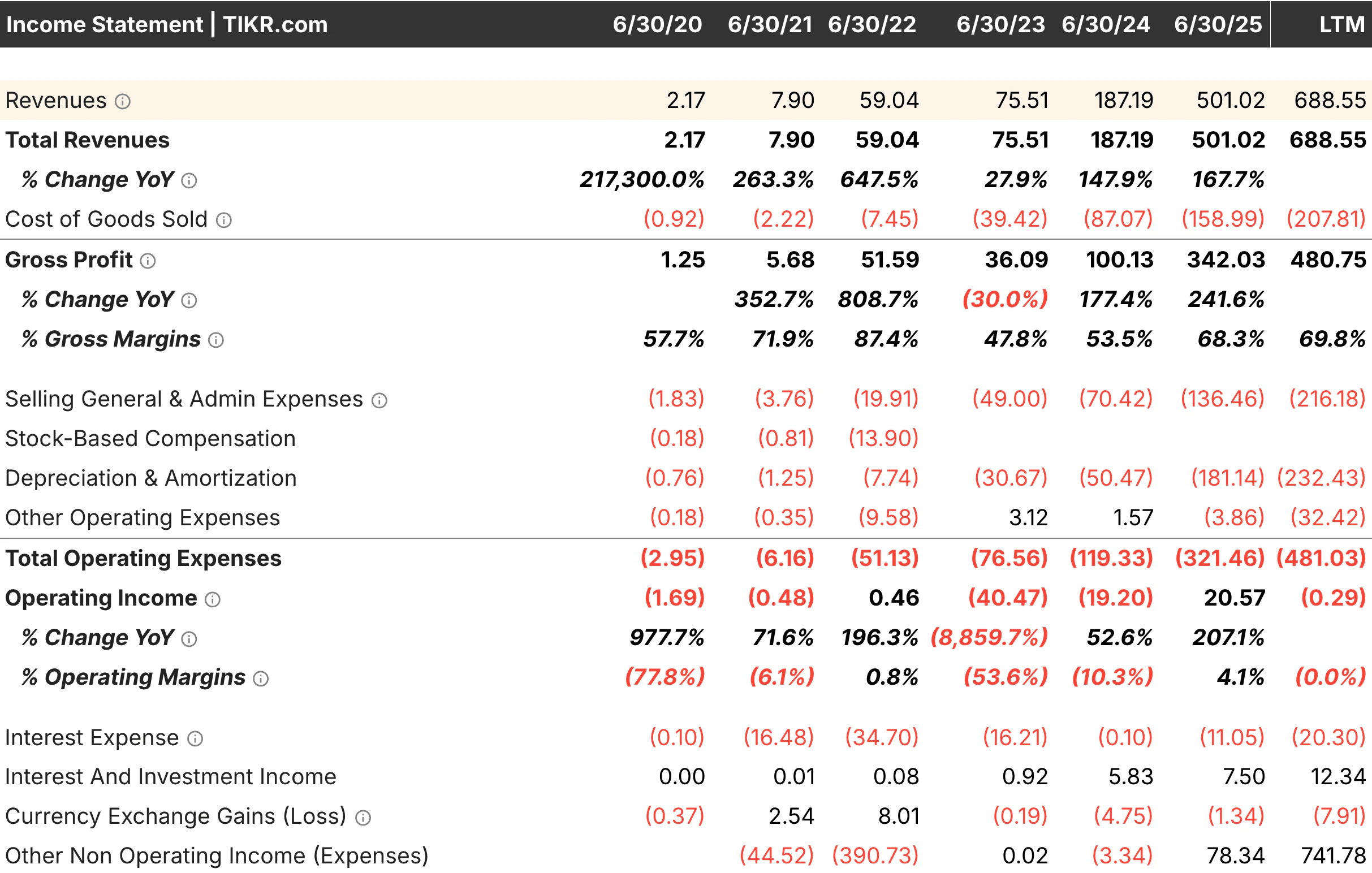
TIKR tip: Review multiple years of financial history in TIKR before concluding that margin expansion or ROC improvement is sustainable. Patterns that persist across different economic conditions are more reliable.
Identify which stocks have Rising Margins with TIKR (It’s free) >>>
Building a Watchlist of Improving Businesses
The best approach is to build a watchlist of companies with positive margins and strong ROC trends, then monitor them for attractive entry points.
Run screens periodically to identify new candidates. Businesses move in and out of the improving-fundamentals category as conditions change. A quarterly screen captures companies where inflection points are occurring.
Track each company’s trajectory on your watchlist. Monitor whether margin expansion and ROC improvement continue or plateau. Sustained improvement over multiple years builds confidence in the durability of gains.
Wait for valuation opportunities. A company with expanding margins and rising ROC may trade at a premium that reflects the improvement. Patience allows you to buy during market corrections or temporary setbacks when the price becomes attractive relative to the improving fundamentals.
Update your thesis as the story develops. A company that has already expanded operating margins from 10% to 20% has less room for further improvement than one moving from 10% to 14%. Adjust your expectations as the margin expansion matures.
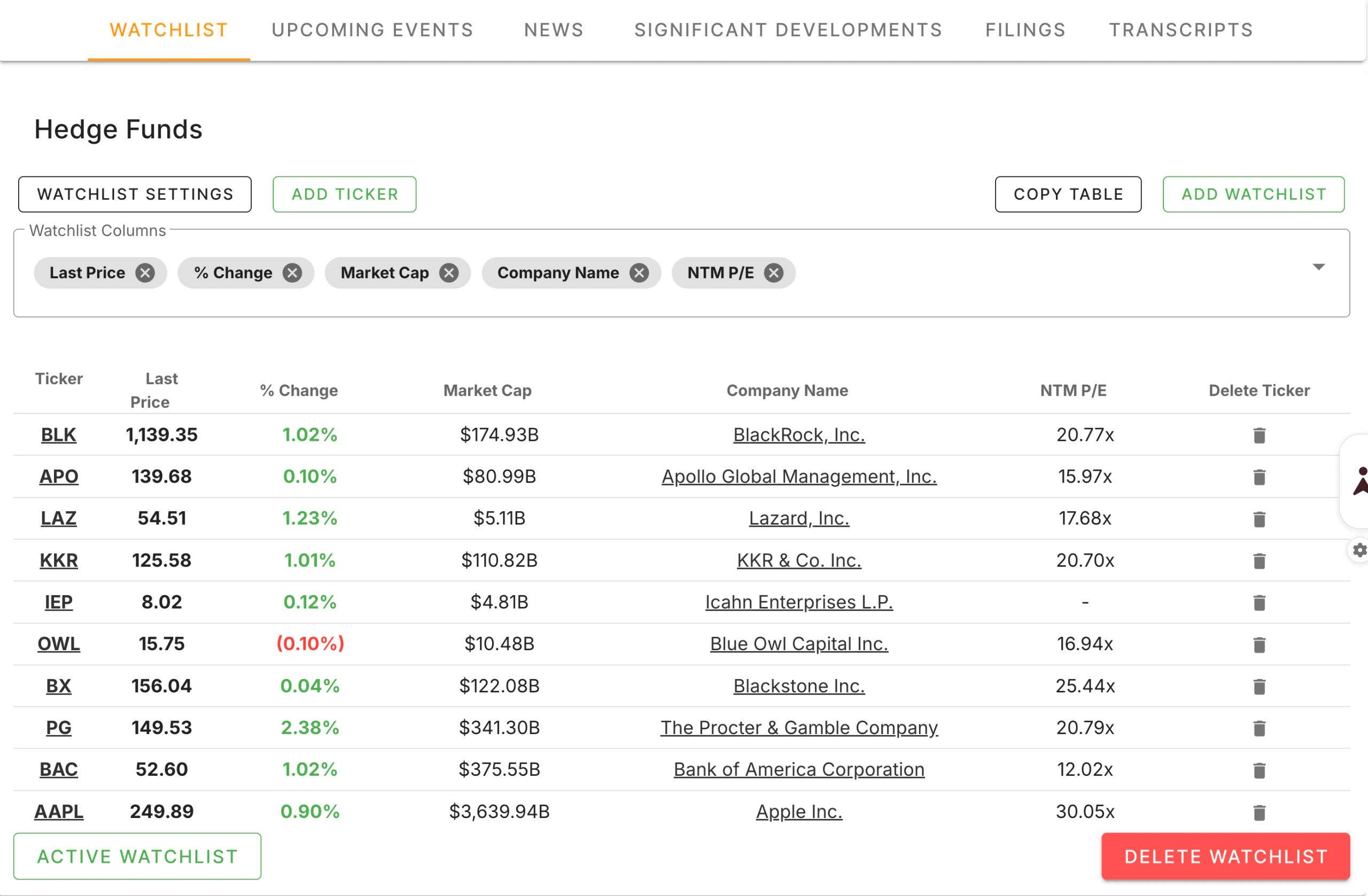
TIKR tip: Create a dedicated watchlist in TIKR for companies with improving margins and ROC. Review the list monthly to track whether trends continue and whether valuations become attractive.
TIKR Takeaway
Expanding margins and rising returns on capital are among the strongest indicators that a business is improving over time. These improvements compound value and often precede stock price appreciation as the market recognizes the strengthening fundamentals.
The key is identifying improvement early, before the trends are fully reflected in valuation. Screening for companies with margins and ROCs that exceed historical averages helps surface businesses at inflection points. Understanding what drives the improvement helps assess whether it can continue.
TIKR makes this analysis practical by providing historical financials, screening tools, and competitive comparisons in one platform. You can track margin and ROC trends over multiple years, screen for companies exhibiting improvement, and compare metrics against industry peers.
The best long-term investments are often businesses that become more profitable and efficient over time. Finding them requires looking beyond current metrics to identify positive trajectories. A systematic approach to screening and monitoring puts these opportunities within reach.
How to Accurately Value a Stock in Under 30 Seconds
With TIKR’s new Valuation Model tool, you can accurately estimate a stock’s potential share price in 30 seconds or less.
All it takes are three simple inputs:
- Revenue Growth
- Operating Margins
- Exit P/E Multiple
If you’re not sure what to enter, TIKR will enter analysts’ consensus estimates for you.
From there, TIKR calculates the potential share price and total returns under Bull, Base, and Bear scenarios so you can quickly see whether a stock looks undervalued or overvalued today.
See a stock’s true value in under 30 seconds (Free with TIKR) >>>
Looking for New Opportunities?
- Discover which stocks billionaire investors are purchasing, so you can follow the smart money.
- Analyze stocks in as little as 5 minutes with TIKR’s all-in-one, easy-to-use platform.
- The more rocks you overturn… the more opportunities you’ll uncover. Search 100K+ global stocks, global top investor holdings, and more with TIKR.
Disclaimer:
Please note that the articles on TIKR are not intended to serve as investment or financial advice from TIKR or our content team, nor are they recommendations to buy or sell any stocks. We create our content based on TIKR Terminal’s investment data and analysts’ estimates. Our analysis might not include recent company news or important updates. TIKR has no position in any stocks mentioned. Thank you for reading, and happy investing!