
Most investors treat earnings calls as background noise. They skim the headline numbers, check whether the company beat or missed, and move on. That approach misses the point.
The real value in earnings calls lies in what management says when pressed, how they frame challenges, and what they avoid talking about altogether.
Transcripts reveal patterns that numbers alone cannot show. A CEO who deflects questions about margins three quarters in a row is telling you something, even if revenue keeps growing. A CFO who suddenly changes how they define “adjusted EBITDA” is also sending a signal. These moments do not show up in financial statements, but they often precede problems that eventually do.
Why Transcripts Matter More Than Press Releases
Earnings releases are unsurprisingly polished after legal review, investor relations review, and multiple drafts. Management controls the narrative completely. Transcripts are different. During the Q&A portion of an earnings call, analysts ask direct questions, and executives have to respond in real time. Those unscripted moments reveal how confident management truly feels about the business.

Transcripts also show you how consistent management has been over time. If they promised margin expansion six months ago and now blame external factors for its failure, that inconsistency matters. If they keep moving the goalposts on what metric investors should focus on, that matters too. These patterns build gradually but are visible if you know where to look.
What to Listen For: Specific Red Flags
Not every awkward answer is a red flag. Sometimes, executives are cautious due to legal concerns or competitive dynamics. The warning signs that matter are those that recur or escalate across multiple quarters. Here are the most reliable signals that something may be wrong beneath the surface.
Deflection and Evasiveness
When an analyst asks a direct question about a specific metric, like gross margin or customer retention, and management responds with a general statement about the business or industry trends, that is deflection. It means they either do not want to answer or do not have a good answer.
Example: An analyst asks why gross margins fell 200 basis points quarter over quarter. A strong answer would acknowledge the decline and explain the specific drivers, whether that is input costs, mix shift, or temporary promotional activity.
A weak answer might be: “We remain focused on long-term value creation and believe our investments will pay off over time.” That kind of response avoids the question entirely.
If this happens once, it might not mean much. If it happens repeatedly, especially on the same topic, it suggests management is trying to buy time or avoid scrutiny.
Track the hedge fund ownership level of each stock with TIKR (It’s free) >>>
Changing the Metrics
Companies that frequently redefine how they measure success are often trying to hide deteriorating performance. You might see this when a company stops reporting a metric it previously highlighted, or when it introduces a new “adjusted” figure that excludes an increasing list of expenses.
Example: A SaaS company that previously emphasized annual recurring revenue growth suddenly shifts focus to “platform bookings” or “total contract value” without explaining why. This often occurs when the original metric begins to weaken, and management wants to shift attention elsewhere.
The key is to track which metrics management highlights in their prepared remarks and how those change over time. If they are constantly moving the goalposts, it usually means the underlying business is not performing as well as they want investors to believe.
Blame Shifting
All businesses face challenges, but the question is whether management takes accountability or consistently blames external forces. Companies that repeatedly attribute weak results to macro conditions, competitor actions, or one-time events without acknowledging their own role often lack the self-awareness needed to fix problems.
Strong management teams acknowledge external headwinds and explain how they are adapting. Executives who sound defensive or frustrated when answering tough questions are often grappling with unresolved challenges.
Lack of Specificity
Vague language is a major warning sign, especially when management uses phrases such as “we are exploring opportunities,” “we see momentum building,” or “we remain confident in our strategy” without providing concrete examples or data, suggesting they lack a clear plan.
Strong management teams provide specific answers by citing customer wins, product milestones, efficiency improvements, or pipeline metrics. Weak teams hide behind generalities because the details would reveal problems.
Example: An analyst asks about the pipeline for a new product launch. A good answer would include the number of pilots underway, feedback from early customers, and expected timing for broader rollout. A poor answer would be, “We are very excited about the opportunity and believe it positions us well for the future.”
Review stock fundamentals in less than 60 seconds with TIKR (It’s free) >>>
How to Use TIKR to Access and Analyze Transcripts
TIKR makes it simple to access earnings call transcripts and conference presentations for more than 100,000 global stocks. Instead of searching through investor relations pages or third-party sites, you can pull up any company’s recent calls directly from the platform.
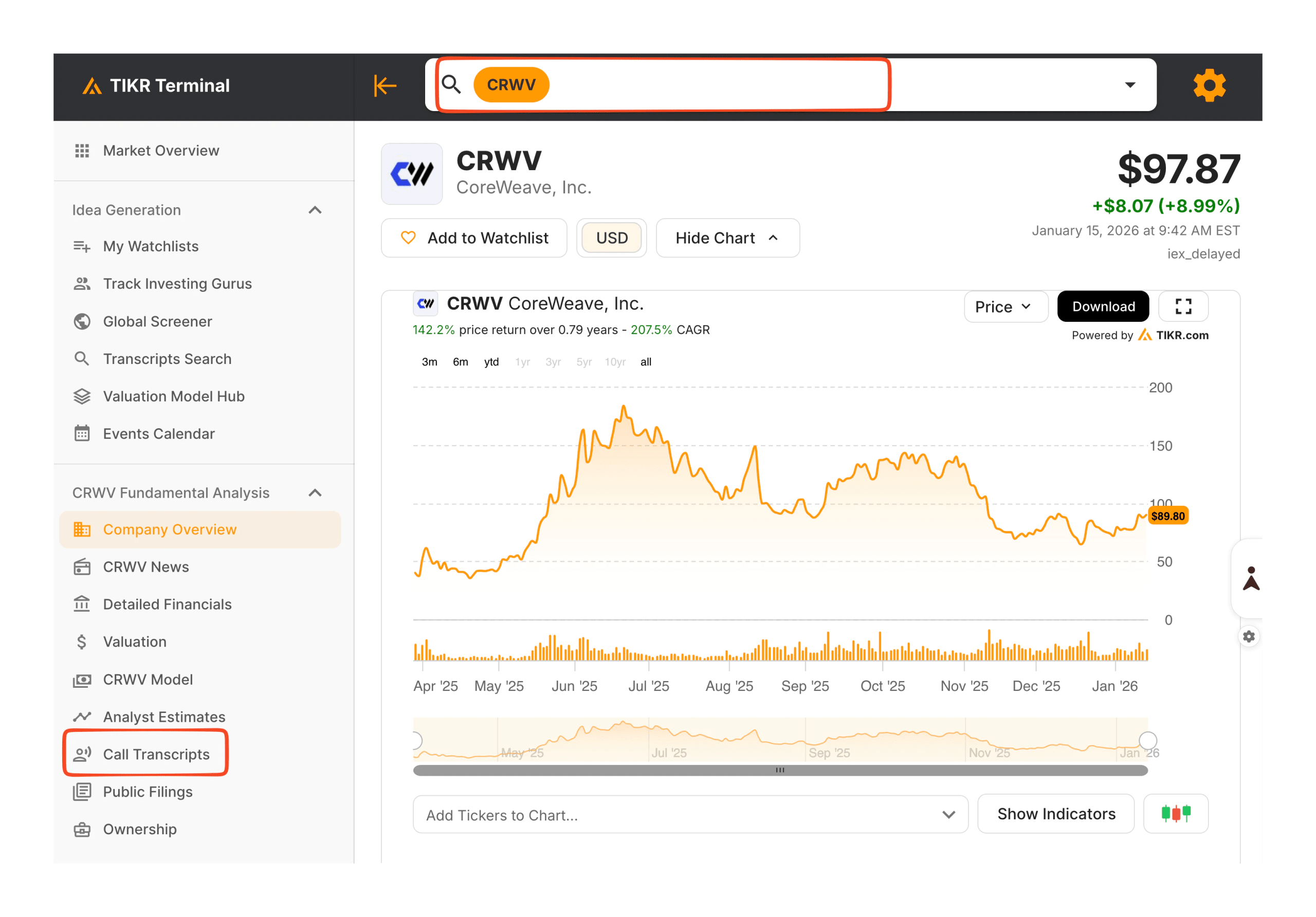
Step 1: Search for the Company. Type the company name or ticker into the TIKR search bar. Navigate to the Call Transcripts section in the left-hand menu to see a chronological list of earnings calls, conference presentations, and investor day transcripts.
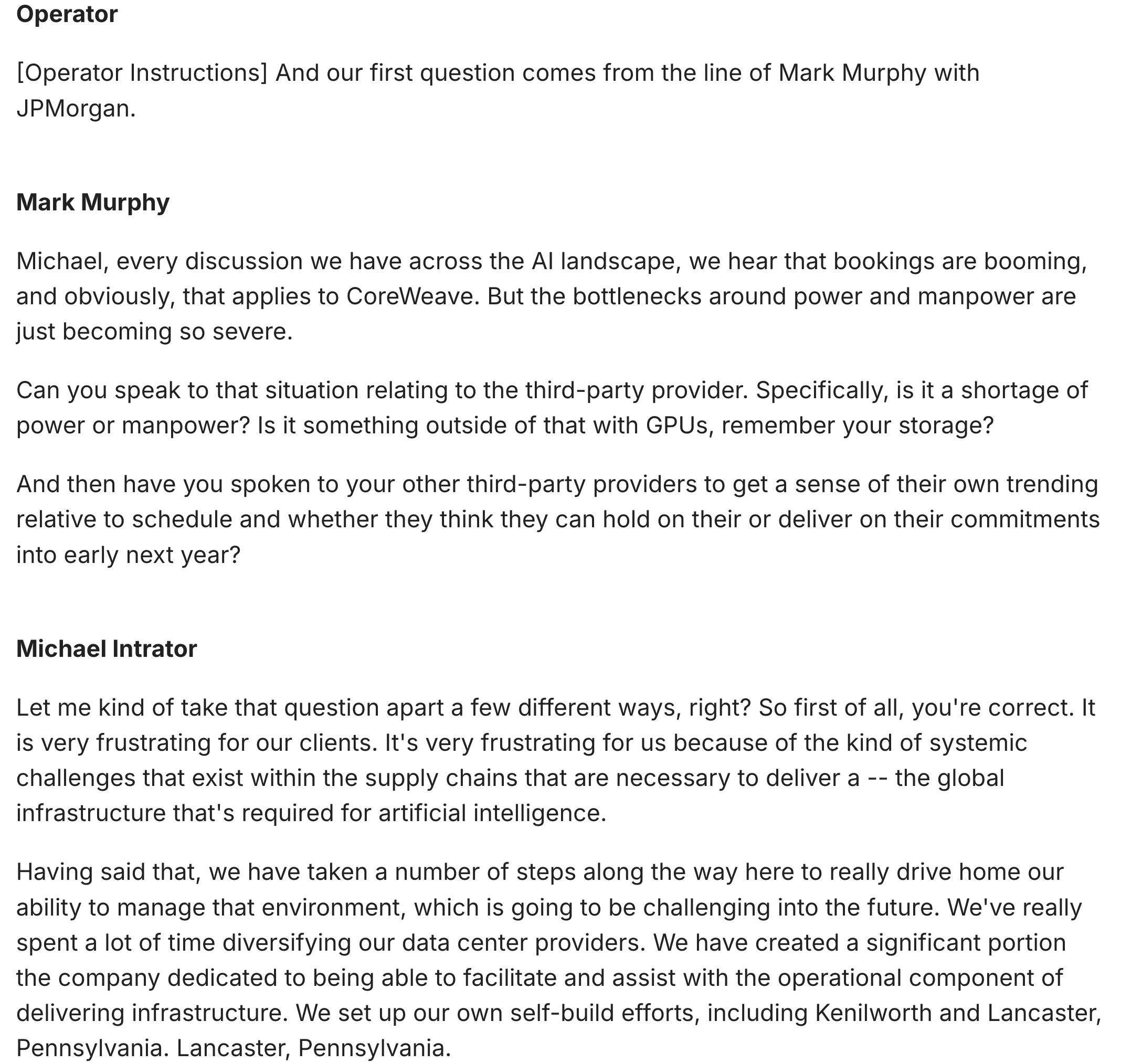
Step 2: Focus on the Q&A Section. The prepared remarks are usually scripted. The real insights come during Q&A, when analysts ask follow-up questions, and management must respond without a script. Look for deflection, vague answers, blame shifting, and changing metrics.
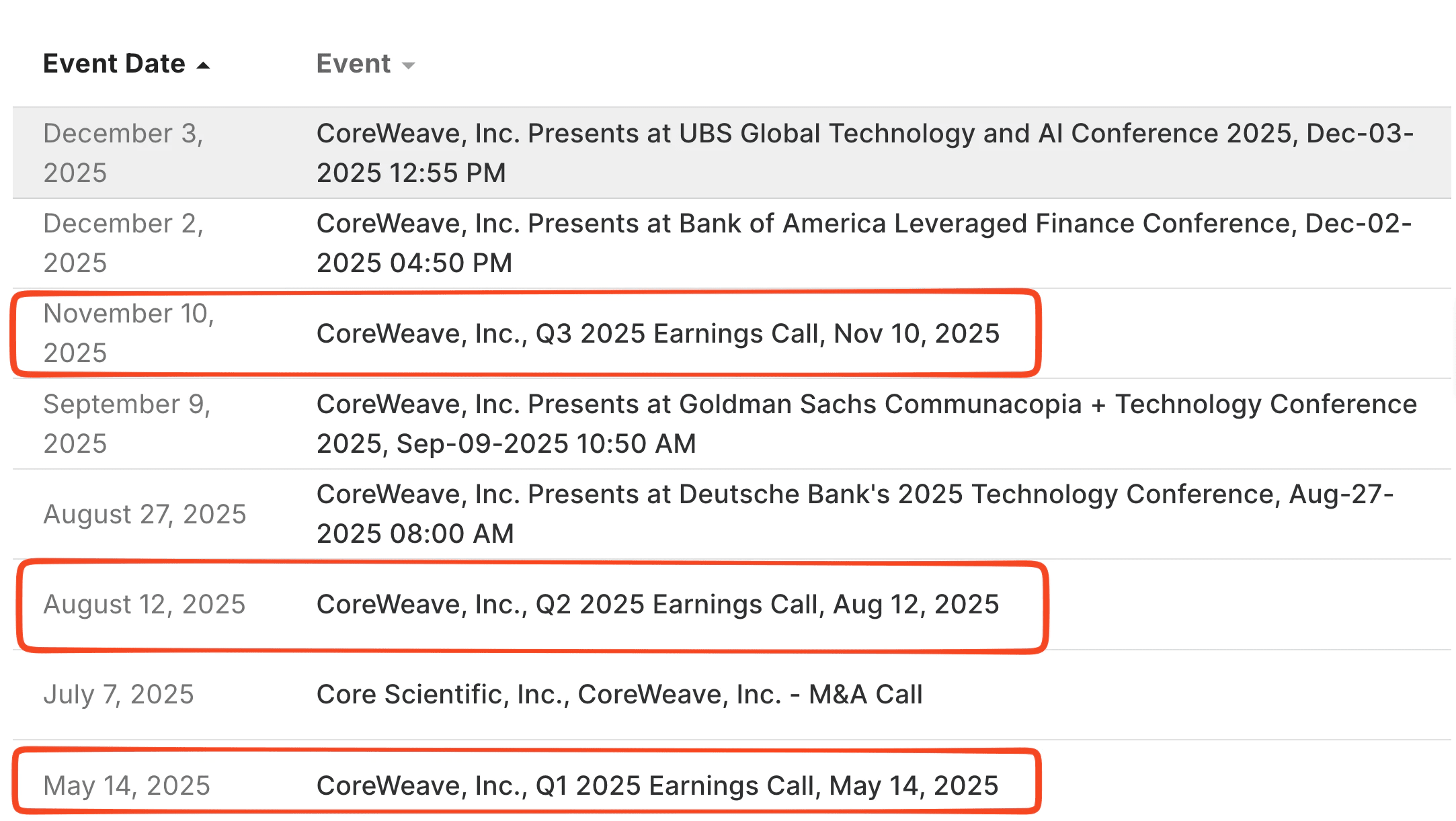
Step 3: Compare Transcripts Over Time. A single transcript rarely tells you everything. The patterns emerge when you compare what management said this quarter to what they said three or six months ago. TIKR lets you easily access historical transcripts, enabling you to track these changes over time.
Step 4: Cross-Reference With Financials. After reading the transcript, move to TIKR’s Detailed Financials tab to verify whether management’s claims align with the numbers. If they say margins are improving but the income statement shows flat or declining gross margins, that is a disconnect worth investigating.

Building a Routine Around Transcript Analysis
Reading transcripts does not need to be time-consuming. The goal is not to read every word of every call. The goal is to develop a systematic approach to help you identify companies where management credibility is weakening.

Here is a simple routine: Read the Q&A section of every earnings call for companies you own or are considering. Track the key metrics management emphasizes and note when they change. Compare quarterly transcripts quarter over quarter to assess whether management’s narrative is consistent with the results. Cross-reference with financials using TIKR to verify whether the numbers support what management is saying.
This process only takes 15 to 20 minutes per company per quarter, but it can help you avoid holding on to deteriorating businesses or buying into companies with undisclosed problems.
Now Live: Discover how much upside your favorite stocks could have using TIKR’s new Valuation Model (It’s free) >>>
TIKR Takeaway
Transcripts are one of the most underutilized tools in fundamental investing. They give you direct access to how management thinks, how they respond under pressure, and whether they are being honest about the challenges they face. The red flags are usually there, but most investors do not take the time to look for them.
TIKR makes this process accessible by consolidating transcripts, financials, and ownership data on a single platform. You can read a transcript, verify the claims with actual financial results, and track how both evolve over time. That combination turns transcripts from static documents into actionable insights.
When you know what to listen for, transcripts become an early warning system. They help you spot management teams that are struggling before the market catches on, giving you time to reassess your position or avoid a mistake altogether.
Accurately Value a Stock in Under 30 Seconds
With TIKR’s new Valuation Model tool, you can accurately estimate a stock’s potential share price in 30 seconds or less.
All it takes are three simple inputs:
- Revenue Growth
- Operating Margins
- Exit P/E Multiple
If you’re not sure what to enter, TIKR will enter analysts’ consensus estimates for you.
From there, TIKR calculates the potential share price and total returns under Bull, Base, and Bear scenarios so you can quickly see whether a stock looks undervalued or overvalued today.
See a stock’s true value in under 30 seconds (Free with TIKR) >>>
Looking for New Opportunities?
- Discover which stocks billionaire investors are purchasing, so you can follow the smart money.
- Analyze stocks in as little as 5 minutes with TIKR’s all-in-one, easy-to-use platform.
- The more rocks you overturn… the more opportunities you’ll uncover. Search 100K+ global stocks, global top investor holdings, and more with TIKR.
Disclaimer:
Please note that the articles on TIKR are not intended to serve as investment or financial advice from TIKR or our content team, nor are they recommendations to buy or sell any stocks. We create our content based on TIKR Terminal’s investment data and analysts’ estimates. Our analysis might not include recent company news or important updates. TIKR has no position in any stocks mentioned. Thank you for reading, and happy investing!