Compounder stocks are the rare businesses that grow intrinsic value year after year, often for decades. They generate high returns on capital, reinvest those returns at similarly high rates, and possess competitive advantages that protect their economics from erosion. Owning even a few true compounders can transform a portfolio because the math of sustained high returns is extraordinarily powerful.
The appeal is simple. A company that earns 20% returns on capital and reinvests all its earnings will roughly double in value every 4 years. Over twenty years, that initial investment grows more than 30-fold, assuming the returns persist. Most businesses cannot sustain such performance, but the ones that can create enormous wealth for patient shareholders.
Finding compounders requires looking beyond current earnings to the characteristics that enable sustained performance. A stock with a low P/E might be a bargain or a value trap. A stock trading at 30x earnings might be expensive or might be a compounder worth every penny.
The valuation matters less than the durability of the underlying economics. Paying a fair price for a business that can compound at 15% annually for fifteen years will generate far better returns than paying a low price for a business that stagnates.
This guide explains the characteristics that define compounder stocks, how to screen for candidates, and how to use TIKR to identify businesses capable of sustained value creation.
The Economics of Compounding
Compounding works because returns compound. A business earning 15% on its capital base and reinvesting those earnings at the same rate creates a virtuous cycle where next year’s earnings base is larger than this year’s. The effect seems modest in any single year but becomes dramatic over time.
Consider two companies, both starting with $100 million in capital. The first earns 8% returns and reinvests everything. The second earns 18% returns and does the same. After ten years, the first company has grown its capital base to roughly $216 million. The second has grown to $523 million. After twenty years, the gap becomes staggering: $466 million versus $2.7 billion. Small differences in return on capital create enormous differences in terminal value.
This math explains why compounder investors focus obsessively on returns on capital and reinvestment rates rather than current earnings or valuation multiples. A company trading at 25x earnings with 18% ROC and a long reinvestment runway is mathematically superior to one trading at 12x earnings with 9% ROC, even though the second appears cheaper. The expensive stock compounds value faster than the cheap one.
The reinvestment rate matters as much as the return rate. A company earning 25% ROC but distributing all earnings as dividends compounds at 0% internally. Shareholders receive cash, but the business does not grow. The ideal compounder earns high returns and has abundant opportunities to redeploy capital at those same rates. When the reinvestment runway is long, the compounding can continue for decades.

TIKR tip: Use TIKR’s Detailed Financials to examine how companies allocate their earnings. The Cash Flow Statement reveals the split between reinvestment, acquisitions, dividends, and buybacks. Companies that retain and redeploy most of their earnings while maintaining a high ROC have a compounding profile.
Identify compounder stocks in under 60 seconds (Free with TIKR) >>>
What Sustains High Returns
High returns on capital attract competition. In most industries, a company earning outsized profits will eventually see those profits competed away as rivals enter the market, copy successful strategies, or undercut prices. The compounders that sustain high returns over decades possess something that prevents this erosion.
The most durable advantages tend to come from switching costs, network effects, scale, and intangible assets. Enterprise software companies often benefit from switching costs because customers build their operations around specific platforms and face enormous friction in changing. Social networks and marketplaces benefit from network effects that make the largest player increasingly dominant. Retailers and manufacturers with massive scale can operate at costs smaller competitors cannot match. Brands, patents, and regulatory licenses create barriers that take years or decades to replicate.
The best compounders often possess multiple reinforcing advantages. A company with both network effects and switching costs is far more defensible than one relying on a single moat. When evaluating potential compounders, assess not just whether advantages exist but whether they are strengthening or weakening over time. A moat that widens with scale is more valuable than one that erodes as competitors chip away at the edges.
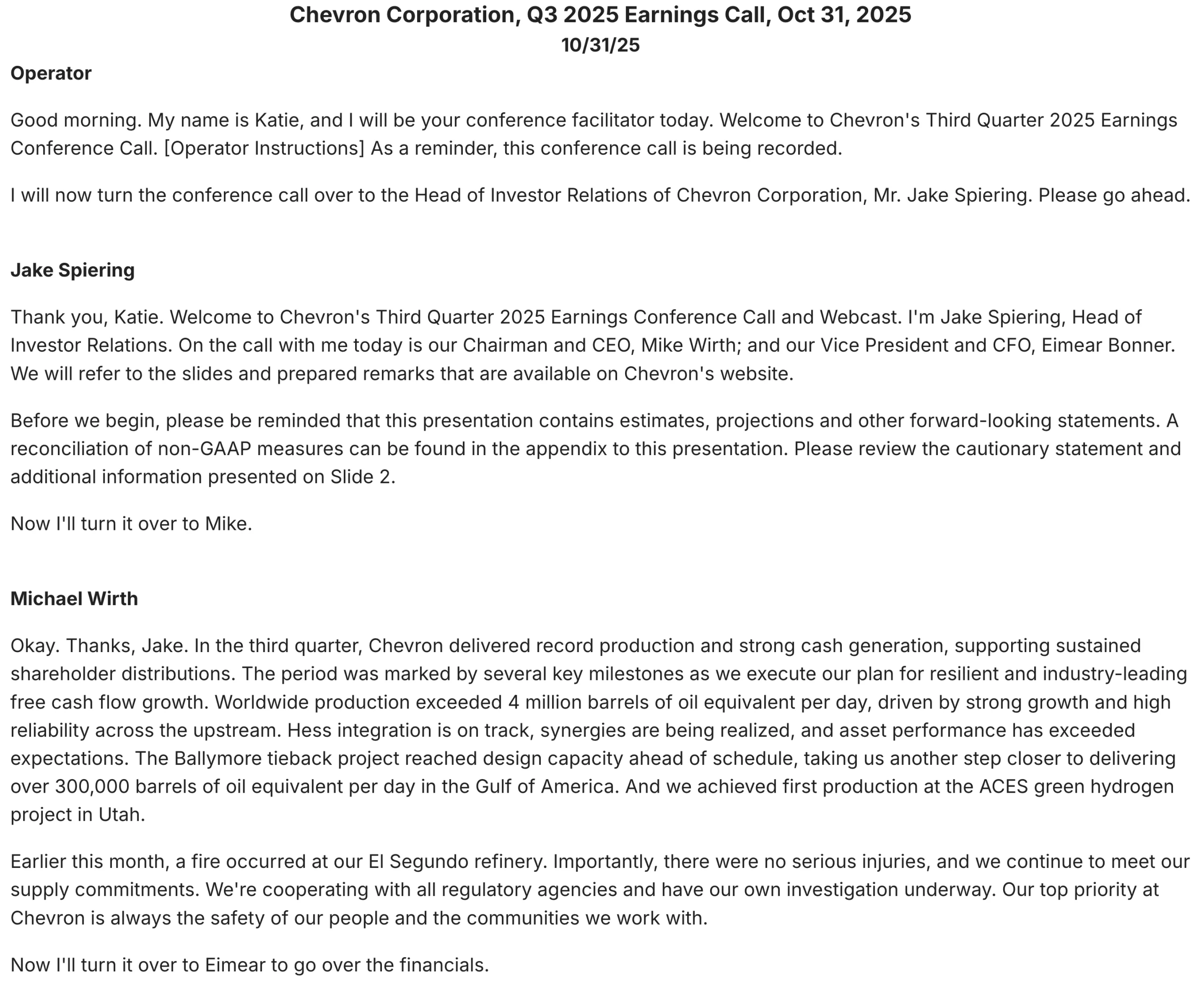
TIKR tip: Earnings call transcripts on TIKR often reveal how management views competitive dynamics. Listen for discussion of customer retention rates, pricing power, market share trends, and barriers to entry. These qualitative signals complement the quantitative analysis.
Build your own watch list with TIKR to screen for compounder stocks (It’s free) >>>
The Financial Fingerprints
Compounders leave consistent patterns in their financial statements. These patterns will not tell you whether advantages will persist, but they confirm whether the business has historically operated with compounder economics.
Return on capital is the starting point. Look for ROC consistently above 15% over at least five years, preferably ten. The consistency matters as much as the level. A company that earns 25% ROC in good years and 5% in bad years is not a compounder. True compounders maintain high returns even when conditions are difficult because their moats are structural rather than circumstantial.
Margins reveal pricing power and cost discipline. Gross margins above 40% typically indicate differentiated products or services that command premium prices. Operating margins above 15% suggest the business converts revenue to profit efficiently. More important than the absolute level is the trend. Margins that hold steady through recessions and competitive threats demonstrate resilience that temporary advantages cannot provide.
Revenue growth should be consistent without being dependent on acquisitions. Organic growth funded by reinvestment is the hallmark of a compounder. A company that grows only through acquisitions may be masking stagnation in its core business. Steady organic growth of 8% to 15% annually is typical for mature compounders, while younger ones with longer runways may grow faster.
Free cash flow conversion confirms that reported earnings represent real economic value. Compounders typically convert 80% or more of net income to free cash flow because they require limited capital to maintain operations. A company reporting strong earnings but generating weak cash flow may be using aggressive accounting or facing capital intensity that undermines compounding.
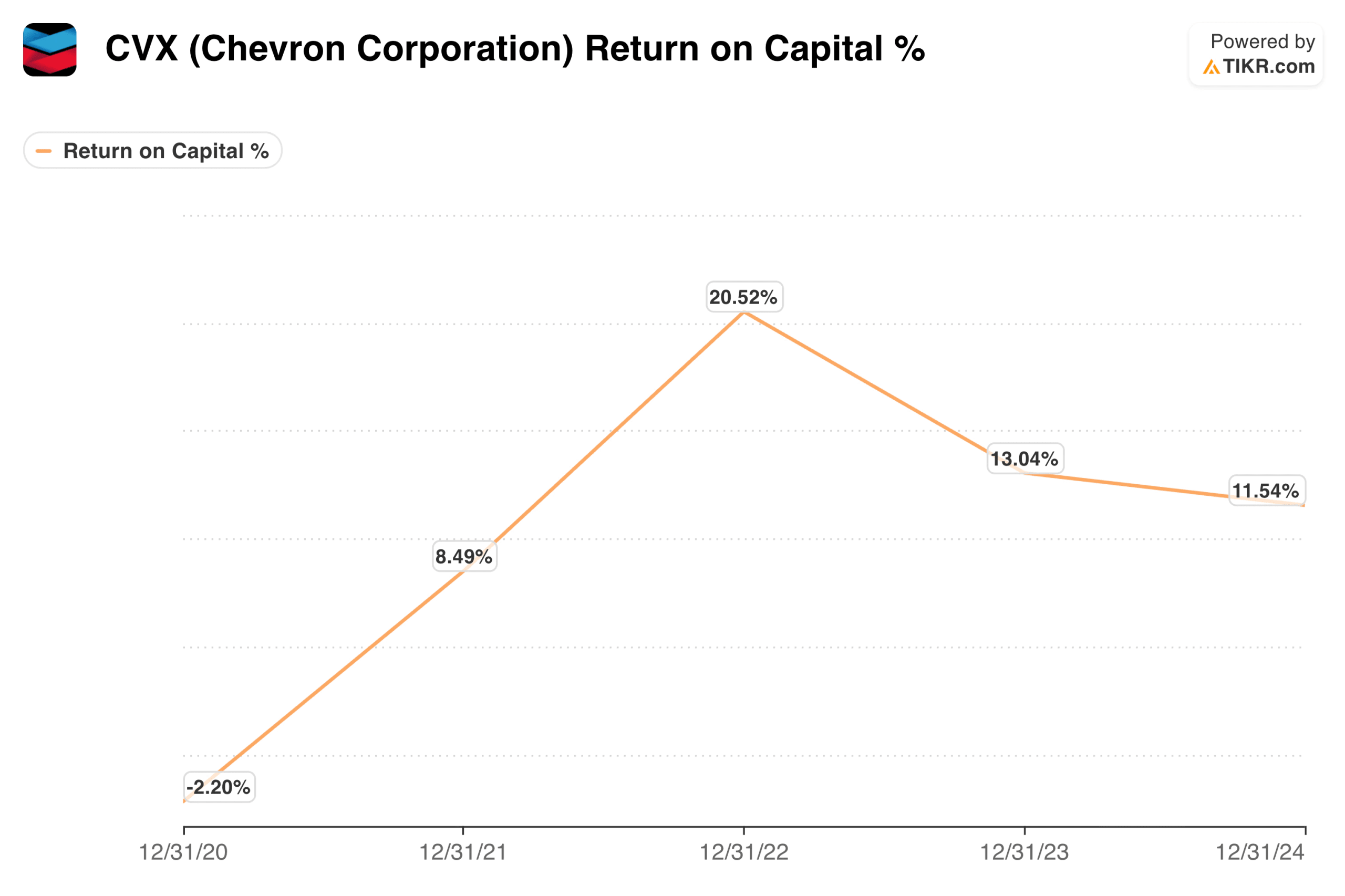
TIKR tip: TIKR’s Ratios section displays ROC over extended periods. Compare this with the Detailed Financials to see margin trends and the Cash Flow Statement to verify free cash flow conversion. A compounder should show strength across all three dimensions.
Get the most up-to-date financial snapshots of thousands of stocks with TIKR (It’s free) >>>
Screening for Candidates
Quantitative screens cannot identify compounders with certainty, but they can narrow the universe to companies worth researching. The goal is to filter out businesses that clearly lack compounder characteristics while surfacing those that might possess them.
A reasonable starting screen might require ROC above 12% sustained over five years, stable or expanding gross and operating margins, positive organic revenue growth, positive free cash flow in most years, and net debt to EBITDA below 2x. These criteria eliminate most of the market because most companies do not earn attractive returns on their capital. The survivors are businesses that have demonstrated some form of competitive advantage, even if you have not yet identified what that advantage is.
The resulting list will still contain companies that are not true compounders. Some will have benefited from temporary tailwinds. Others will face competitive threats not yet visible in the financials. But the list provides a starting point for qualitative research into which businesses possess the durable advantages that enable decades of compounding.
TIKR tip: Build a compounder screen in TIKR’s Global Screener using ROC, margin, growth, and cash flow criteria. Save the screen and run it periodically. New companies will enter as their financials improve, and existing candidates may drop off if performance deteriorates.
The Qualitative Judgment
Screens identify candidates. Judgment determines which candidates are genuine compounders. This is where the work becomes difficult, because you are trying to predict which competitive advantages will persist for years or decades.
Understanding the source of high returns helps you assess durability. Pricing power rooted in brand loyalty or switching costs is typically more sustainable than cost advantages that competitors might eventually replicate. A company earning high ROC through network effects that strengthen as it grows has a more defensible position than one relying on a temporary technological lead.
The reinvestment runway matters just as much as current returns. A regional bank with a dominant market share in a slow-growth area may earn excellent returns but lack opportunities to redeploy earnings at similar rates. A software platform that can expand into adjacent markets has a longer runway. Assess whether the business can grow for another decade while maintaining its return profile, because a compounder without room to reinvest is just a cash cow.
Management quality deserves careful attention because the best business model can be undermined by poor capital allocation. Review how leadership has handled major decisions over the past decade. Did they resist the temptation of expensive acquisitions? Did they buy back shares at reasonable valuations? Do executives own meaningful stakes that align their interests with shareholders? Management matters more for compounders because the decisions compound along with the business.
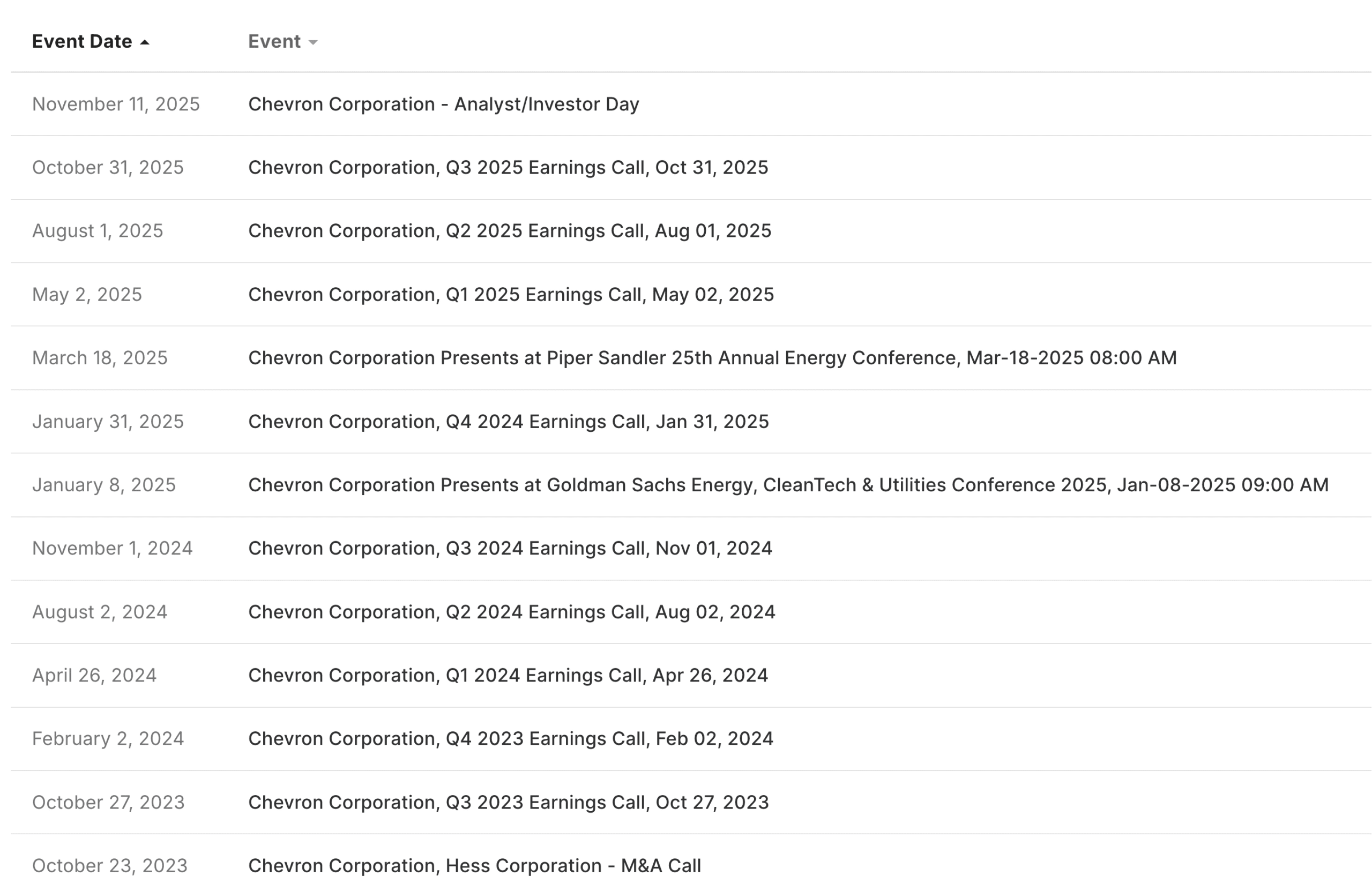
TIKR tip: Read multiple years of earnings call transcripts in TIKR to understand how management discusses competitive dynamics, capital allocation priorities, and growth opportunities. The consistency and honesty of these discussions often reveal whether leadership truly understands what makes the business special.
Valuation Considerations
Compounders rarely trade at bargain prices. The market generally recognizes quality, and quality commands a premium. Waiting for a compounder to become cheap often means waiting forever while the business compounds away from you.
The right framework is not finding compounders at low absolute valuations but finding them at reasonable valuations relative to their compounding potential. A stock at 25x earnings with 15% sustainable growth is mathematically cheaper than a stock at 15x earnings with 5% growth. The first compound performs better than the second despite appearing more expensive on traditional metrics.
Compounders do occasionally trade at attractive valuations, usually during broad market selloffs or temporary company-specific concerns. A recession might push a high-quality business to 18x earnings, rather than its usual 25x. An earnings miss that does not impair the long-term thesis might create a buying opportunity. These windows are brief because other investors recognize the quality and buy quickly. Having done the research in advance allows you to act when these opportunities appear.
The key is avoiding overpaying for compounding that has already occurred. A company that has grown earnings by 20% annually for 10 years may not sustain that rate for the next 10. As businesses mature, growth naturally slows. Be realistic about the remaining runway and the growth rate that is actually sustainable, rather than extrapolating historical performance indefinitely.
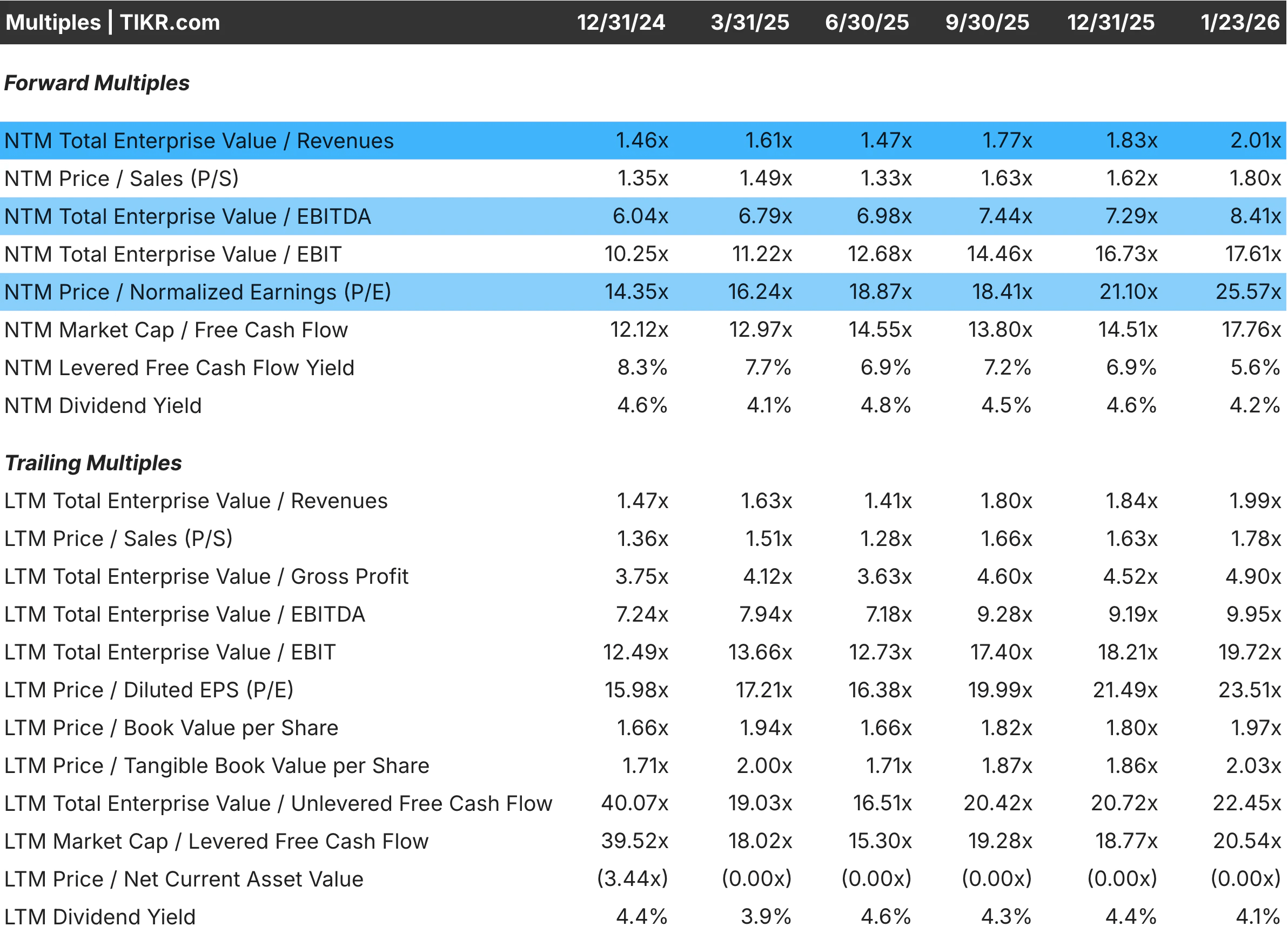
TIKR tip: TIKR’s Valuation tab shows historical multiples alongside current figures. A compounder trading at the low end of its historical range during a market selloff may represent an attractive entry point. Compare current valuation to the company’s own history rather than to the broader market.
Run a detailed analysis on TIKR for the top compounding stocks in your portfolio (It’s free) >>>
The TIKR Takeaway
Finding compounders is one of the most rewarding pursuits in investing because the payoff from success is so large. A single great compounder held for twenty years can contribute more to your wealth than dozens of ordinary investments.
The search requires combining quantitative analysis with qualitative judgment. Financial screens identify companies with compounder characteristics: high returns on capital, stable margins, consistent growth, and strong cash flow conversion. Qualitative research determines whether those characteristics stem from durable competitive advantages that can persist for years or decades.
TIKR provides the tools to execute both parts of this process. The Global Screener surfaces candidates meeting your criteria. The Detailed Financials reveal whether historical performance reflects genuine quality. Earnings transcripts and ownership data add qualitative context. The Valuation tab helps identify reasonable entry points.
The best investors find compounders early, buy at fair prices, and hold patiently while the math does its work. The process requires patience, discipline, and the willingness to pay up for quality. But the results, achieved over years and decades, justify the effort.
Find undervalued stocks in less than 60 seconds with TIKR’s new Valuation Model (It’s free) >>>
Value Any Stock in Under 60 Seconds with TIKR
With TIKR’s new Valuation Model tool, you can estimate a stock’s potential share price in under a minute.
All it takes is three simple inputs:
- Revenue Growth
- Operating Margins
- Exit P/E Multiple
If you’re not sure what to enter, TIKR automatically fills in each input using analysts’ consensus estimates, giving you a quick, reliable starting point.
From there, TIKR calculates the potential share price and total returns under Bull, Base, and Bear scenarios so you can quickly see whether a stock looks undervalued or overvalued.
See a stock’s true value in under 60 seconds (Free with TIKR) >>>
Looking for New Opportunities?
- Discover which stocks billionaire investors are purchasing, so you can follow the smart money.
- Analyze stocks in as little as 5 minutes with TIKR’s all-in-one, easy-to-use platform.
- The more rocks you overturn… the more opportunities you’ll uncover. Search 100K+ global stocks, global top investor holdings, and more with TIKR.
Disclaimer:
Please note that the articles on TIKR are not intended to serve as investment or financial advice from TIKR or our content team, nor are they recommendations to buy or sell any stocks. We create our content based on TIKR Terminal’s investment data and analysts’ estimates. Our analysis might not include recent company news or important updates. TIKR has no position in any stocks mentioned. Thank you for reading, and happy investing!