Public companies face constant pressure to meet or beat earnings expectations. Management compensation is often tied to stock performance. Analysts publish estimates that become implicit targets. Missing by even a penny can send shares plunging. This environment creates incentives for companies to present their results in the most favorable light possible, and sometimes that pressure leads to manipulation.
Earnings manipulation exists on a spectrum. At one end are aggressive but legal accounting choices that push the boundaries of accepted practices. At the other end is outright fraud. In between lies a gray area where companies use discretion in ways that obscure economic reality without technically breaking rules. All of these practices can mislead investors who take reported earnings at face value.
The financial statements contain clues. Manipulation leaves fingerprints because accounting is a closed system. Inflating revenue in one place creates imbalances elsewhere. Hiding expenses eventually shows up in cash flow or the balance sheet. The patterns are detectable if you know where to look.
This guide explains the most common forms of earnings manipulation, the red flags that reveal them, and how to use TIKR to identify companies where reported earnings may not reflect underlying business performance.
Why Earnings Manipulation Happens
Understanding the incentives helps you recognize which companies are most at risk. Manipulation rarely happens in stable businesses with conservative management teams. It clusters around specific situations where the pressure to perform is intense.
Companies approaching debt covenants have strong incentives to inflate earnings. Loan agreements often require maintaining certain profitability or leverage ratios. Missing these thresholds can trigger default provisions, accelerate repayment, or restrict future borrowing. Management may stretch accounting to avoid tripping these covenants.
Executive compensation tied to earnings targets creates obvious conflicts of interest. If a CEO’s bonus depends on hitting a specific EPS number, the temptation to find extra pennies through accounting choices is real. Stock option grants amplify this pressure because management benefits directly from a higher share price.
Companies with slowing growth face particular risk. A business that has trained the market to expect 20% annual growth will face severe consequences if growth suddenly drops to 5%. Management may use aggressive accounting to smooth the transition and buy time, hoping the business recovers before the manipulation becomes unsustainable.
Acquisitive companies can hide problems through purchase accounting. Each deal offers opportunities to write down assets, create reserves, and manage the timing of when expenses hit the income statement. Serial acquirers are notoriously difficult to analyze because their complex accounting provides cover for manipulation.

TIKR tip: Pay close attention to companies with significant debt, aggressive management compensation structures, or histories of frequent acquisitions. These characteristics increase the risk that reported earnings diverge from economic reality.
Look for earnings manipulation on thousands of stocks (Free with TIKR) >>>
The Cash Flow Disconnect
The single most reliable indicator of earnings manipulation is a persistent gap between net income and operating cash flow. Accounting earnings can be manufactured through journal entries. Cash flow cannot. When a company reports strong profits but fails to generate corresponding cash, something is wrong.
Accrual accounting allows companies to recognize revenue before cash is collected and to defer expenses beyond when cash is paid. Within limits, this matching of revenues and expenses provides a clearer picture of economic performance than pure cash accounting. But the same flexibility that makes accruals useful also makes them vulnerable to manipulation.
Watch the relationship between net income and cash from operations over multiple years. In a healthy business, these two figures should track each other reasonably closely over time. Temporary divergences are normal, as a company might invest heavily in working capital during rapid growth. But persistent gaps where net income consistently exceeds operating cash flow suggest that earnings are being artificially inflated.
Value any stock in less than 60 seconds with TIKR’s new Valuation Model (It’s free) >>>
Calculate the ratio of operating cash flow to net income over the past five years. A ratio consistently below 1.0 warrants investigation. A ratio that has declined steadily over time is even more concerning because it suggests the gap is widening.

TIKR tip: Use TIKR’s Detailed Financials to view the Cash Flow Statement alongside the Income Statement. Compare operating cash flow to net income over multiple years. A healthy company should show cash flow that meets or exceeds net income over any extended period.
Revenue Recognition Red Flags
Revenue manipulation is the most common form of earnings management because revenue is the top line that drives everything else. Inflating revenue flows through to gross profit, operating income, and net income. The effects are magnified throughout the income statement.
Watch for revenue growth that significantly outpaces industry peers without a clear explanation. If competitors are growing at 5% and a company claims 15% growth with similar products and markets, skepticism is warranted. Either the company has discovered something remarkable, or the accounting is aggressive.
Accounts receivable growing faster than revenue is a classic warning sign. When a company books revenue but struggles to collect payment, receivables balloon. This pattern suggests the company may be recognizing revenue prematurely, shipping products that customers did not order, or extending payment terms to pull forward sales from future periods.
Calculate days’ sales outstanding by dividing accounts receivable by average daily revenue. If DSO increases significantly over time, the company is taking longer to collect from customers. This could reflect operational problems, but it can also indicate that revenue recognition is running ahead of actual economic activity.
Channel stuffing is a specific form of revenue manipulation where companies push excess inventory to distributors at quarter’s end to inflate sales. The products often return in subsequent periods, but by then the company has booked the revenue and met its targets. Look for inventory buildups at distributors, unusual spikes in quarter-end sales, or patterns of high revenue followed by elevated returns.

TIKR tip: In TIKR’s Detailed Financials, compare revenue growth to the change in accounts receivable. If receivables consistently grow faster than revenue over multiple periods, dig deeper into the company’s revenue recognition policies.
Get the most up-to-date financial snapshots of thousands of stocks with TIKR (It’s free) >>>
Expense Manipulation
While inflating revenue is the most common manipulation, hiding or deferring expenses is equally effective at boosting earnings. Companies have considerable discretion over when and how to recognize costs.
Capitalizing expenses that should flow through the income statement is a frequent tactic. Instead of recording a cost as an expense that reduces current earnings, the company records it as an asset on the balance sheet and depreciates it over time. This shifts the expense into future periods, inflating current profits.
Watch for unusual increases in intangible assets or capitalized software costs relative to revenue. If these line items grow significantly faster than the business, the company may be capitalizing expenses that competitors expense immediately. Compare capitalization policies to industry peers to identify outliers.
Restructuring charges deserve scrutiny. Companies often take large one-time charges during difficult periods, writing off assets and creating reserves. These charges are excluded from adjusted earnings, making future periods look better. But some companies abuse this practice, taking excessive reserves during bad times and then releasing them into income during good times to smooth results.
Watch for patterns of repeated restructuring charges. A company that takes restructuring charges every few years may be using them as an earnings management tool rather than reflecting genuine operational changes. Also, examine whether prior restructuring reserves are being released into income, which can artificially boost profits.
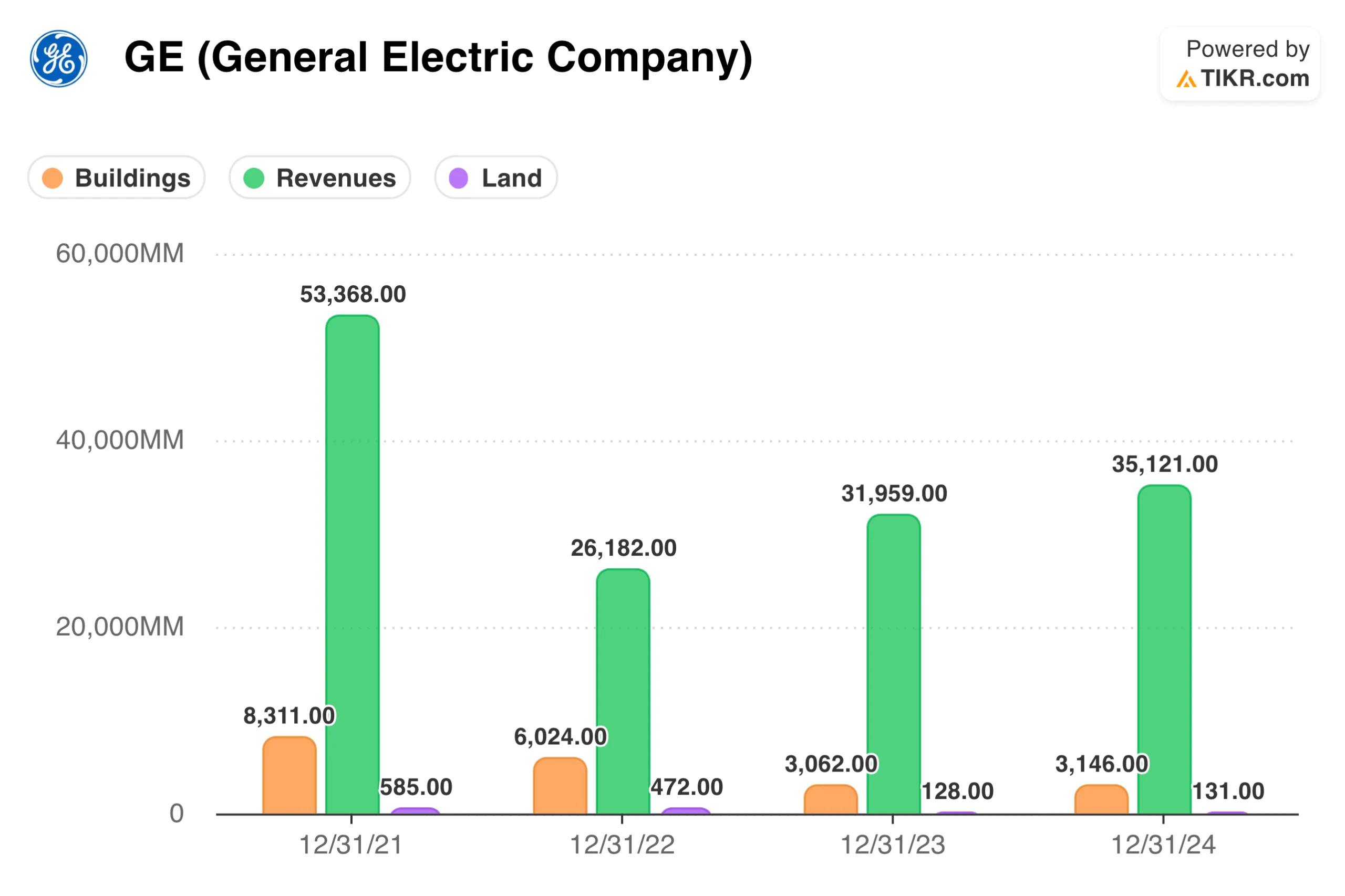
TIKR tip: Review the balance sheet in TIKR for unusual growth in capitalized assets relative to revenue. Compare the company’s treatment of building construction or software development, customer acquisition costs, and similar items to industry norms.
Run an analysis on company earnings on TIKR for the top stocks in your portfolio (It’s free) >>>
Balance Sheet Warning Signs
Manipulation of the income statement eventually creates imbalances on the balance sheet. The accounting equation must balance, so inflated earnings have to show up somewhere. Learning to read the balance sheet for these distortions helps identify problems before they become obvious.
Inventory buildup relative to sales can indicate channel stuffing or the presence of obsolete products that should be written down. Calculate inventory days by dividing inventory by cost of goods sold and multiplying by 365. If inventory days increase significantly over time, the company is holding more stock relative to its sales volume. This could reflect supply chain decisions, but it can also suggest that products are not selling as quickly as revenue figures imply.
Goodwill and intangible assets that grow through acquisitions require scrutiny. Companies must test these assets for impairment annually, but management has discretion over the assumptions used. Aggressive assumptions can delay necessary writedowns, inflating both assets and earnings. A company with goodwill representing a large percentage of total assets or equity carries a significant risk of future impairment charges.
Deferred revenue that declines relative to sales can signal problems for subscription businesses. Deferred revenue represents cash collected for services not yet delivered. If this liability shrinks while revenue grows, the company may be recognizing revenue faster than customers are paying, which is unsustainable.

TIKR tip: Use TIKR to track inventory days, receivable days, and the ratio of goodwill to total assets over time. Significant deterioration in any of these metrics warrants investigation into the underlying accounting.
Quality of Earnings Indicators
Beyond specific red flags, several broader indicators help assess whether reported earnings reflect genuine business performance.
Compare GAAP earnings to non-GAAP or adjusted earnings. Companies increasingly report adjusted figures that exclude stock compensation, amortization, restructuring charges, and other items. Some adjustments are reasonable, but the gap between GAAP and non-GAAP earnings reveals how much management is asking you to ignore. A company where adjusted earnings are consistently 50% higher than GAAP earnings is telling you that half of its costs do not count.
Examine the consistency of earnings beats. A company that beats analyst estimates by exactly one or two cents every quarter for years is likely managing earnings to targets. The probability of such consistency occurring naturally is extremely low. This pattern suggests management is using accounting discretion to hit predetermined numbers.
Watch for fourth-quarter adjustments. Companies have more discretion in annual audits than quarterly reviews. If a company consistently reports strong results for three quarters and then takes significant charges in the fourth quarter, it may be managing expectations throughout the year and cleaning up at year’s end.
Auditor changes or qualifications are serious warning signs. If a company switches auditors, particularly if the change is not announced well in advance, ask why. Auditor resignations are especially concerning because they suggest disagreements over accounting treatment. Any qualified audit opinion or mention of material weaknesses in internal controls deserves immediate attention.

TIKR tip: Review multiple years of earnings history in TIKR. Look for patterns of consistent small beats, unusual fourth-quarter adjustments, or a persistent gap between reported earnings and cash flow.
Building a Manipulation Checklist
Systematic analysis reduces the chance of missing warning signs. Before investing in any company, work through these questions.
Cash flow quality. Does operating cash flow consistently meet or exceed net income over time? If not, what explains the gap?
Revenue trends. Is revenue growth consistent with industry peers? Are receivables growing faster than revenue? Have days’ sales outstanding increased?
Expense treatment. Are any expense categories being capitalized that peers expense immediately? Is the company taking frequent restructuring charges?
Balance sheet health. Are inventory days increasing? Is goodwill a large percentage of assets? Are deferred revenues trending appropriately?
Earnings patterns. Does the company consistently beat estimates by small amounts? Is there a large gap between GAAP and adjusted earnings? Are there unusual fourth-quarter adjustments?
External validation. Has the company changed auditors recently? Are there any qualified opinions or internal control weaknesses? Have any executives sold unusual amounts of stock?
A company that raises multiple red flags deserves either deeper investigation or avoidance entirely. The goal is not to prove manipulation but to assess probability. When the evidence suggests that earnings quality is low, the required margin of safety for investment should be much higher.
The TIKR Takeaway
Earnings manipulation is more common than most investors realize. The pressure to meet expectations, combined with the flexibility inherent in accrual accounting, creates opportunities for companies to present results that diverge from economic reality. Detecting manipulation protects you from investing in businesses where reported earnings overstate true performance.
The most reliable signals come from comparing income statement figures to cash flow and balance sheet trends. When net income consistently exceeds operating cash flow, when receivables grow faster than revenue, or when expenses are capitalized rather than recognized, earnings quality is suspect.
TIKR makes this analysis practical by presenting financial statements, ratios, and historical trends in one platform. You can track the relationship between earnings and cash flow, monitor receivable and inventory days, and compare accounting policies across competitors.
The goal is not to catch every instance of manipulation but to avoid the worst offenders. Companies with clean cash flow, conservative accounting, and consistent earnings quality make safer investments. Those with multiple red flags deserve either intense scrutiny or a pass.
Find earnings manipulation with TIKR’s new Valuation Model (It’s free) >>>
Value Any Stock in Under 60 Seconds with TIKR
With TIKR’s new Valuation Model tool, you can estimate a stock’s potential share price in under a minute.
All it takes is three simple inputs:
- Revenue Growth
- Operating Margins
- Exit P/E Multiple
If you’re not sure what to enter, TIKR automatically fills in each input using analysts’ consensus estimates, giving you a quick, reliable starting point.
From there, TIKR calculates the potential share price and total returns under Bull, Base, and Bear scenarios so you can quickly see whether a stock looks undervalued or overvalued.
See a stock’s true value in under 60 seconds (Free with TIKR) >>>
Looking for New Opportunities?
- Discover which stocks billionaire investors are purchasing, so you can follow the smart money.
- Analyze stocks in as little as 5 minutes with TIKR’s all-in-one, easy-to-use platform.
- The more rocks you overturn… the more opportunities you’ll uncover. Search 100K+ global stocks, global top investor holdings, and more with TIKR.
Disclaimer:
Please note that the articles on TIKR are not intended to serve as investment or financial advice from TIKR or our content team, nor are they recommendations to buy or sell any stocks. We create our content based on TIKR Terminal’s investment data and analysts’ estimates. Our analysis might not include recent company news or important updates. TIKR has no position in any stocks mentioned. Thank you for reading, and happy investing!