A watchlist is one of the most underrated tools in an investor’s arsenal. It sits between casual awareness and active ownership, giving you a structured way to track companies you find interesting without the pressure of having capital at stake. When opportunity strikes, whether through a market correction or a company-specific pullback, a well-maintained watchlist lets you act with confidence rather than scramble for ideas.
Most investors approach watchlists haphazardly. They add stocks after reading an article, hearing a podcast mention, or noticing a ticker on social media. The list grows without structure, becomes cluttered with names they barely remember, and eventually gets abandoned. A watchlist built this way provides little value because it lacks the organization and ongoing attention needed to be useful.
A good watchlist is curated, not collected. It contains companies you have researched enough to understand, organized in a way that makes comparisons easy, and regularly updated to keep the information current. The goal is not to track every interesting stock but to build a short list of businesses you would buy at the right price.
This guide explains how to build a watchlist that actually improves your investing, what to include, how to organize it, and how to use TIKR to monitor the companies that matter most to you.
Why a Watchlist Matters
The best investment opportunities rarely announce themselves in advance. A stock you have been watching for months drops 25% on a short-term earnings miss. A market correction brings a high-quality compounder down to a reasonable valuation for the first time in years. These moments reward investors who have done the work beforehand.
Without a watchlist, you are forced to research under pressure. You hear about a selloff, rush to understand the business, and either miss the opportunity or buy without adequate conviction. The research process takes time, and by the time you finish, the price may have recovered.
A watchlist inverts this dynamic. You do the research when there is no urgency, building understanding of businesses you admire at prices you would not pay. When prices eventually become attractive, you already know the company. The decision becomes simple: has anything changed fundamentally, or is this a buying opportunity?
The watchlist also protects against impulse buying. When you limit yourself to purchasing only stocks you have previously researched and added to your list, you filter out the noise of daily market chatter. A compelling story on social media is not enough. The stock must have earned its place on your watchlist through prior analysis.
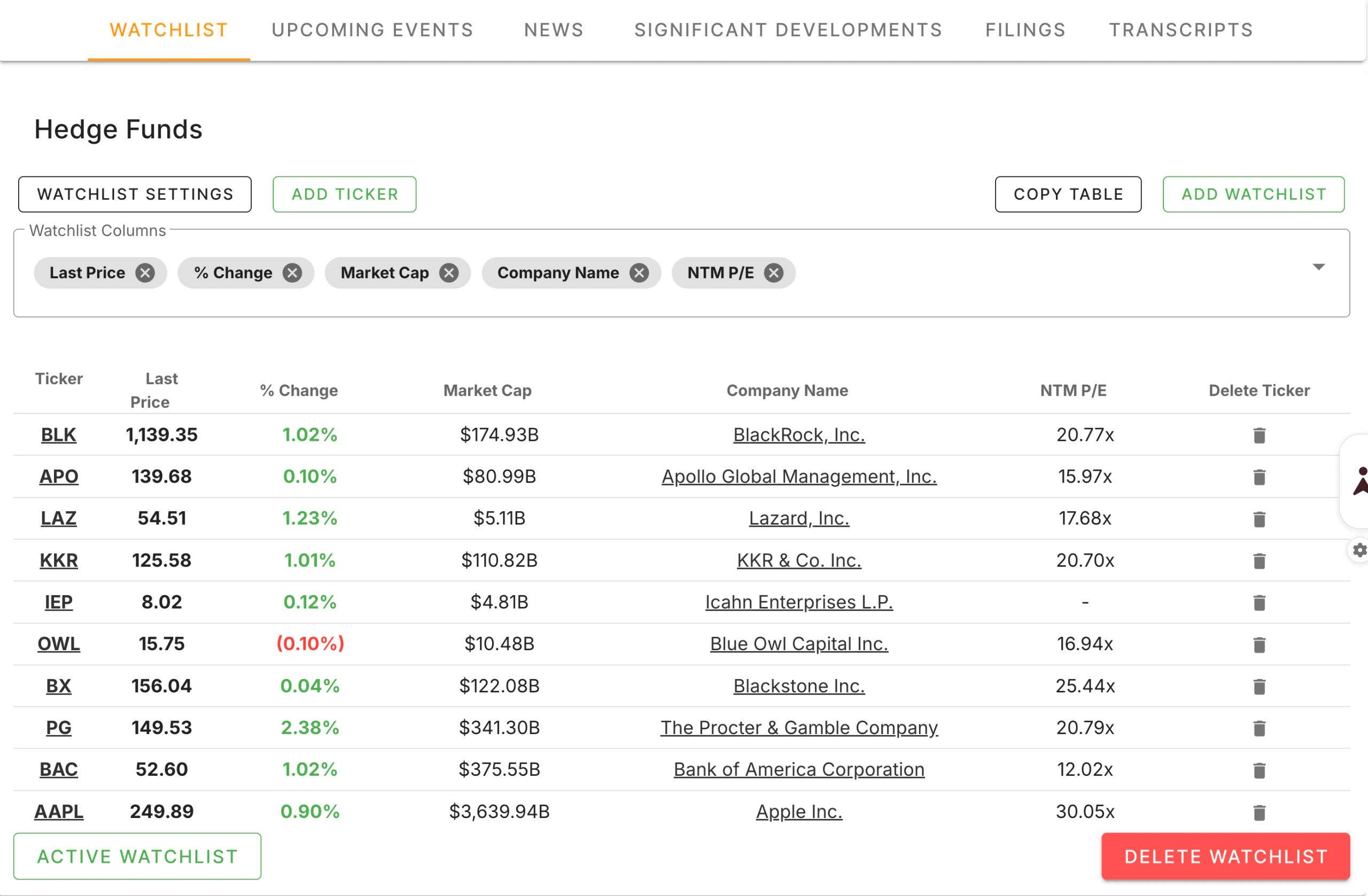
TIKR tip: TIKR’s watchlist feature lets you save companies and track key metrics over time. Creating a watchlist in TIKR means your research stays organized and accessible whenever an opportunity arises.
Estimate a company’s fair value instantly (Free with TIKR) >>>
What Belongs on Your Watchlist
Not every interesting company deserves a spot on your watchlist. The goal is quality over quantity. A focused list of 20 to 30 well-researched companies is more valuable than a sprawling list of 200 names you vaguely recognize.
A stock should meet several criteria before earning a place on your watchlist. First, you should understand the business model well enough to explain how the company makes money and what drives its profitability. If you cannot articulate the basic economics, the company does not belong on your list yet.
Second, the business should possess characteristics you find attractive. This might mean a durable competitive advantage, high returns on capital, strong free cash flow generation, or a long runway for growth. Your specific criteria depend on your investment philosophy, but every stock on your watchlist should meet whatever quality threshold you have established.
Build an advanced watchlist on TIKR in less than 60 seconds (It’s free) >>>
Third, the only reason you do not own the stock should be valuation. A watchlist is for companies you would buy at the right price. If you would not buy a stock even if it fell 50%, it does not belong on your list. Remove companies that have fundamental problems, operate in industries you do not understand, or fail to meet your quality standards.
Finally, there should be a realistic chance that the stock becomes attractively valued. A wonderful company that has traded at 40x earnings for a decade and shows no sign of ever being cheaper may not be worth tracking. Focus on companies where a market correction, sector rotation, or temporary setback could create an entry point.

TIKR tip: Before adding a stock to your watchlist, review its financials in TIKR. Check that returns on capital, margins, and growth meet your quality thresholds. If the fundamentals do not pass your screens, the stock does not belong on your list, regardless of how interesting the story sounds.
How to Organize Your Watchlist
A disorganized watchlist quickly becomes useless. As the list grows, you lose track of why you added certain stocks, what price you would pay, and which companies deserve the most attention. Structure solves this problem.
One approach is organizing by category. You might separate stocks by sector, investment style, or conviction level. A category for high-conviction names you would buy aggressively on any pullback differs from one for speculative ideas that require more research. This structure helps you prioritize attention and capital allocation.
Another approach is organizing by valuation status. Group stocks into buckets based on how close they are to your target price. Companies trading within 10% of your buy price deserve close monitoring. Those trading 50% above your target can be reviewed less frequently. This prioritization ensures you focus attention where opportunity is nearest.
Whatever structure you choose, include notes for each stock. Document why you added it, what thesis would justify the purchase, what price you would pay, and what would cause you to remove it. These notes become invaluable when revisiting stocks months or years later. Without them, you will forget the context behind each addition.

TIKR tip: TIKR lets you create multiple watchlists, so you can organize them by category, conviction level, or any other structure that fits your process. Use separate lists for different purposes rather than cramming everything into a single list.
Track thousands of stocks with TIKR’s watchlist feature (It’s free) >>>
Key Metrics to Track
A watchlist is only useful if you monitor it regularly. Tracking the right metrics helps you spot changes in fundamental quality and identify when valuations become attractive.
Valuation multiples tell you whether the stock is moving toward or away from your target price. Track forward P/E, EV/EBITDA, or whatever multiple is most relevant for the business. Compare current multiples to historical averages so you recognize when a stock enters attractive territory.
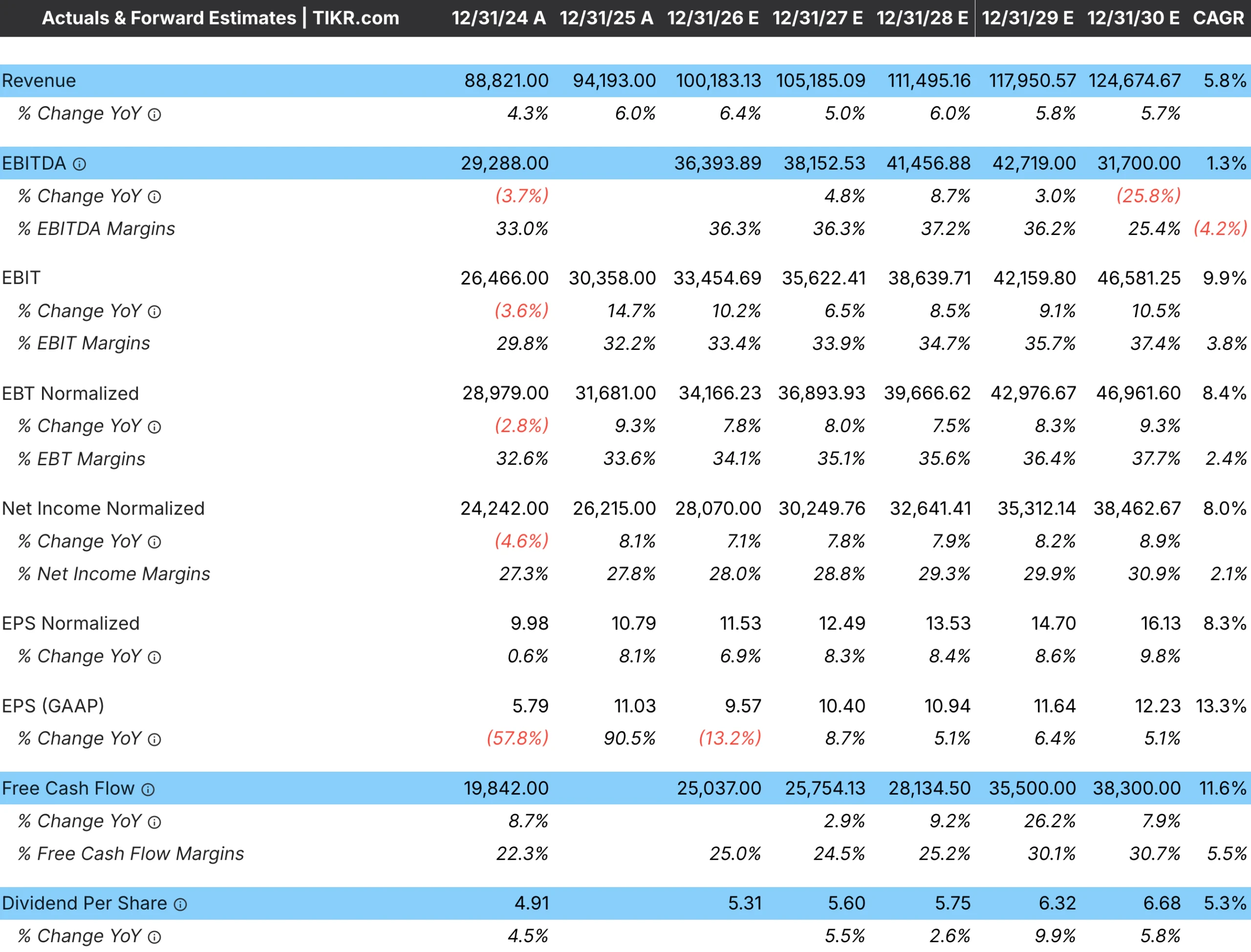
Earnings estimates reveal whether analyst expectations are rising or falling. A stock might look cheap on trailing earnings but expensive on forward estimates if analysts expect a decline. Conversely, rising estimates can make a stock more attractive even as the price increases.
Revenue and earnings growth confirm whether the business is executing. A company on your watchlist because of its growth potential should continue demonstrating that growth. Slowing momentum might change your thesis or your target price.
Margins and returns on capital indicate whether business quality is holding steady. A stock you added because of 20% returns on capital should be removed if returns have fallen to 10%. Quality deterioration changes the investment case.
Insider activity provides a window into management confidence. If executives are buying shares of a stock on your watchlist, that supports your interest in the stock. If they are selling heavily, consider whether they know something you do not.
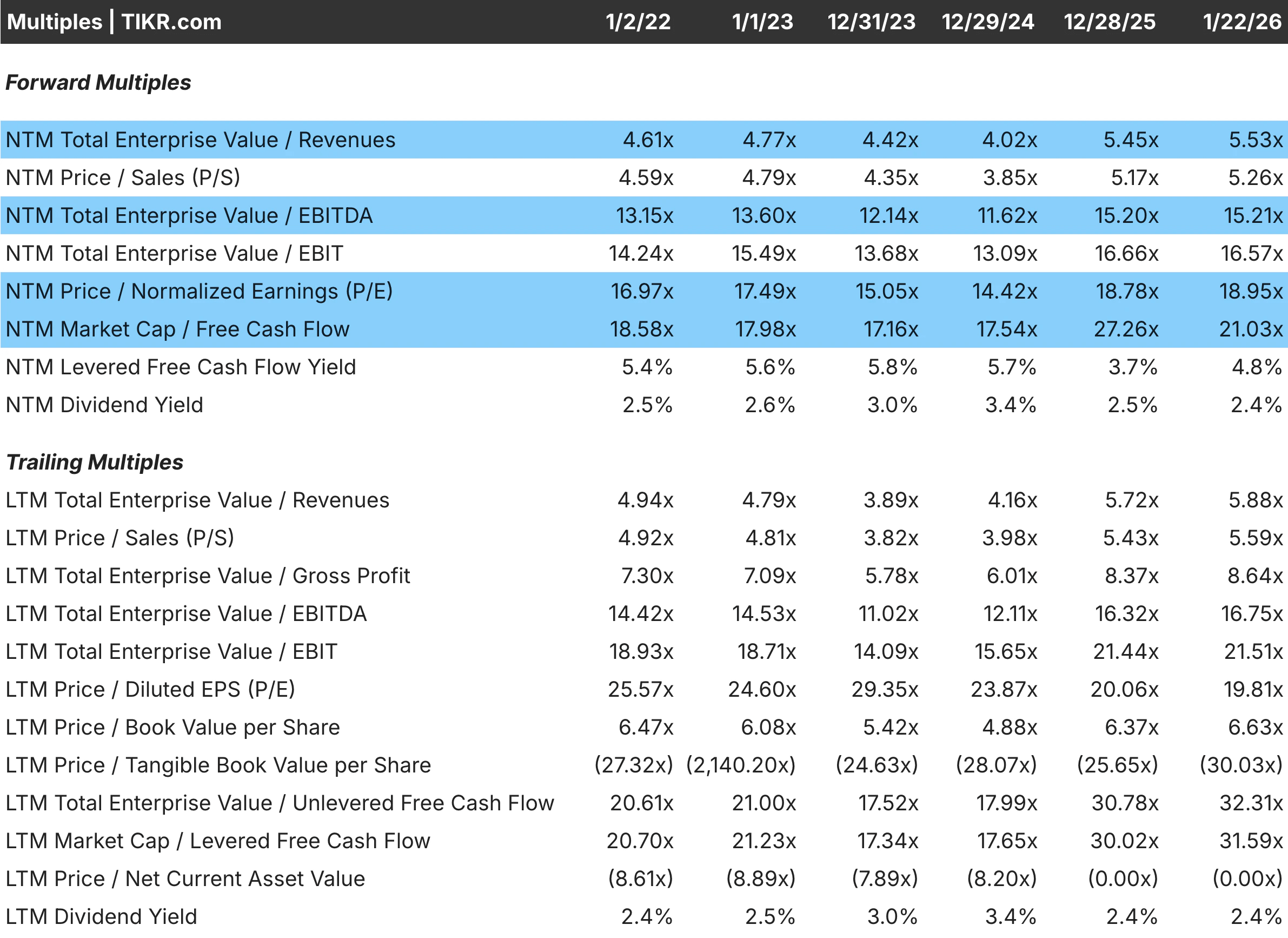
TIKR tip: TIKR displays all these metrics on a single platform. Use the Valuation tab for multiples, the Estimates tab for analyst projections, the Detailed Financials for growth and margins, and the Ownership tab for insider transactions.
Run a competitor analysis on TIKR for the top stocks on your watchlist (It’s free) >>>
Maintaining Your Watchlist
A watchlist requires ongoing maintenance. Without regular attention, it becomes stale and loses its value. Build a routine that keeps your list current and actionable.
Set a schedule for review. Monthly works well for most investors. During each review, check whether valuations have changed meaningfully, update your notes with any new developments, and consider whether each stock still deserves its place on the list.
Remove stocks that no longer meet your criteria. Businesses change over time. A company you added three years ago might have deteriorating fundamentals, a new competitor, or management turnover that alters the thesis. Keeping it on your watchlist out of inertia wastes attention that could be devoted to better opportunities.
Add stocks deliberately. When you encounter an interesting company, do not add it immediately. Instead, create a separate intake process that involves researching the business, reviewing financials, and confirming it meets your standards. Only then does it earn a place on the main watchlist. This friction prevents your list from becoming cluttered with half-researched ideas.
Update your target prices as circumstances change. A stock you would buy at $50 a year ago might deserve a higher or lower target today based on earnings growth, multiple expansion, or changes in interest rates. Static targets become irrelevant over time.

TIKR tip: Use TIKR’s news and events features to stay informed about companies on your watchlist. Earnings releases, analyst revisions, and significant developments appear in one place, making maintenance easier.
Using Your Watchlist to Take Action
The ultimate purpose of a watchlist is to enable better investment decisions. When the moment comes to deploy capital, your watchlist should make the choice clear.
During market corrections, review your watchlist for stocks that have fallen into your target range. Because you have already done the research, you can move quickly. Check whether the selloff reflects fundamental deterioration or simply market panic. If the thesis remains intact and the price is right, you can buy with conviction.
When you have new capital to invest, your watchlist provides a menu of vetted options. Rather than hunting for ideas under pressure, you choose from companies you already understand and have been monitoring. The decision becomes which opportunity is most attractive right now, not whether you understand the business.
Before buying anything, confirm that the current data matches your expectations. Pull up the stock in TIKR and verify that recent financials, estimates, and insider activity align with your thesis. A watchlist entry from six months ago may need updating before you commit capital.
After purchasing a stock, move it from your watchlist to your portfolio tracking. The watchlist is for companies you want to own. Once you own them, they require different attention focused on monitoring position size, evaluating ongoing performance, and deciding when to add or trim.
TIKR tip: When a watchlist stock reaches your target price, use TIKR to do a final review of valuation, estimates, and insider activity before buying. This confirmation step ensures nothing has changed since you last researched the company.
The TIKR Takeaway
A well-built watchlist transforms how you invest, so instead of scrambling when opportunities arise, you act from a position of preparation. Instead of chasing stories and headlines, you buy businesses you have already vetted. The discipline of maintaining a focused list improves both the quality and timing of your decisions.
The key is building a watchlist with intention. Include only companies you understand well enough to buy at the right price. Organize the list to prioritize attention effectively. Track the metrics that matter for each business. Maintain the list regularly to keep it current and actionable.
TIKR makes this process practical by bringing financials, valuations, estimates, and ownership data into one platform. You can research companies thoroughly, save them to organized watchlists, and monitor key metrics over time. When prices become attractive, everything you need to make a decision is already at hand.
The best investors are prepared before opportunity knocks. A thoughtful watchlist ensures you are ready.
Find undervalued stocks in less than 60 seconds with TIKR’s new Valuation Model (It’s free) >>>
Value Any Stock in Under 60 Seconds with TIKR
With TIKR’s new Valuation Model tool, you can estimate a stock’s potential share price in under a minute.
All it takes is three simple inputs:
- Revenue Growth
- Operating Margins
- Exit P/E Multiple
If you’re not sure what to enter, TIKR automatically fills in each input using analysts’ consensus estimates, giving you a quick, reliable starting point.
From there, TIKR calculates the potential share price and total returns under Bull, Base, and Bear scenarios so you can quickly see whether a stock looks undervalued or overvalued.
See a stock’s true value in under 60 seconds (Free with TIKR) >>>
Looking for New Opportunities?
- Discover which stocks billionaire investors are purchasing, so you can follow the smart money.
- Analyze stocks in as little as 5 minutes with TIKR’s all-in-one, easy-to-use platform.
- The more rocks you overturn… the more opportunities you’ll uncover. Search 100K+ global stocks, global top investor holdings, and more with TIKR.
Disclaimer:
Please note that the articles on TIKR are not intended to serve as investment or financial advice from TIKR or our content team, nor are they recommendations to buy or sell any stocks. We create our content based on TIKR Terminal’s investment data and analysts’ estimates. Our analysis might not include recent company news or important updates. TIKR has no position in any stocks mentioned. Thank you for reading, and happy investing!