Pricing power is the ability to raise prices without losing customers. It sounds simple, but it is one of the rarest and most valuable characteristics a business can possess. Companies with pricing power can pass cost increases to customers, expand margins during inflationary periods, and grow earnings even when unit volumes are flat. Companies without it are perpetually squeezed between rising costs and competitive pressure on prices.
Warren Buffett has called pricing power the single most important factor in evaluating a business. He looks for companies that can raise prices without thinking about it, without losing market share, and without lengthy meetings debating whether the increase will stick. When a business can do this, it possesses something competitors cannot easily replicate.
Find out what a stock’s really worth in under 60 seconds with TIKR’s new Valuation Model (It’s free)>>>
The challenge is that every company claims to have pricing power until inflation arrives and proves otherwise. The past few years have provided a real-world stress test. Some businesses raised prices 10% or more and retained their customers. Others attempted modest increases and watched volume collapse. The difference between these outcomes often determined whether earnings grew or declined, whether margins expanded or compressed, and whether stocks outperformed or lagged.
Identifying pricing power requires looking beyond management claims to the evidence in the financial statements. Gross margins, revenue trends, customer retention, and competitive dynamics all provide clues. This guide explains what creates pricing power, how to measure it, and how to use TIKR to identify companies that can raise prices without consequence.
What Creates Pricing Power
Pricing power does not appear randomly. It stems from specific competitive advantages that give customers reasons to pay more or make switching to alternatives difficult or impossible.
Brand strength creates pricing power when customers associate a product with quality, status, or reliability that generics cannot match. A consumer choosing between a branded product and a store brand at half the price is making a statement about what they value. When enough customers consistently choose the premium option, the brand owner can raise prices knowing the volume impact will be minimal. Luxury goods, established consumer staples, and trusted professional services often benefit from brand-driven pricing power.
Switching costs create pricing power by making the alternative more expensive than the price increase. Enterprise software is the classic example. A company running its operations on a particular platform faces significant time, cost, and disruption costs when switching. A 5% price increase is trivial compared to the expense of migrating to a competitor. The customer complains but pays, and the software company’s margins expand.
Network effects create pricing power when the value of a product increases with the number of users. A marketplace with the most buyers attracts the most sellers, which attracts more buyers. Competitors cannot replicate this dynamic without somehow convincing users to abandon the established network. The dominant player can raise take rates or fees because participants have nowhere else to go that offers comparable liquidity.
Limited substitutes create pricing power when customers have few or no alternatives. A pharmaceutical company with a patented drug for a serious condition can price aggressively because patients need the treatment. A specialized industrial component with no equivalent forces available means manufacturers must accept the supplier’s terms. When the alternative is going without, price sensitivity drops dramatically.
Regulatory barriers create pricing power by limiting competition. A licensed utility, an approved drug manufacturer, or a company with exclusive rights to a resource faces less competitive pressure than businesses in open markets. The protection may not last forever, but while it exists, the company can price with confidence.

TIKR tip: Earnings call transcripts on TIKR often reveal how management views pricing power. Search for discussions of price increases, customer retention, and competitive dynamics. Companies with genuine pricing power discuss it openly because it is a source of strength.
Estimate a company’s pricing power instantly (Free with TIKR) >>>
Gross Margin Stability Through Inflation
The most direct evidence of pricing power is the stability of gross margin during periods of rising input costs. When raw materials, labor, or other costs increase, a company with pricing power passes those increases to customers and maintains its margin percentage. A company without pricing power absorbs the costs and watches margins compress.
The inflation of 2021 through 2023 provided a clear test. Companies across industries faced sharply higher input costs. Those with pricing power raised prices, sometimes multiple times, while maintaining or expanding gross margins. Those without pricing power saw margins decline even as revenue grew, because the revenue growth came from inflation rather than real volume or mix improvement.
Examining gross margin trends over periods that include inflationary episodes reveals which companies possess genuine pricing power. A business that maintained 45% gross margins through both low-inflation and high-inflation environments has demonstrated something important. One that saw margins drop from 45% to 38% when costs rose has revealed a vulnerability.
The comparison to competitors adds context. If an entire industry saw margin compression during inflation, a company that maintained margins stands out as having relative pricing power. If the entire industry maintained margins, the pricing power may be industry-wide rather than company-specific. Both scenarios are informative, but company-specific pricing power is more valuable because it indicates a competitive advantage that peers lack.

TIKR tip: Use TIKR’s Detailed Financials to examine gross margin trends over the past five to ten years. Look specifically at periods when inflation was elevated and assess whether margins held steady or compressed.
Value any stock in less than 60 seconds with TIKR’s new Valuation Model (It’s free) >>>
Revenue Growth Without Volume Growth
Pricing power is evident when a company increases revenue while unit volumes remain flat or decline. This pattern indicates the company is raising prices faster than it is losing customers, extracting more value from a stable or shrinking base. It is the clearest demonstration that customers will pay more rather than switch.
Consumer staples companies often exhibit this dynamic. A beverage company might sell the same number of cases year after year but grow revenue 4% annually through price increases and mix shifts toward premium products. The volume line is flat, but the revenue and profit lines climb steadily. This is pricing power in action.
The reverse pattern reveals its absence. A company growing volumes but seeing flat or declining revenue per unit is losing pricing power. Customers are buying more only because prices have fallen. This competitive dynamic leads to margin pressure and commoditization over time.
Breaking down revenue growth into price and volume components requires attention to management commentary and segment disclosures. Many companies report this breakdown explicitly. Others require inference from unit shipment data, average selling prices, or same-store sales metrics. The effort is worthwhile because the composition of growth reveals more about business quality than the headline number alone.
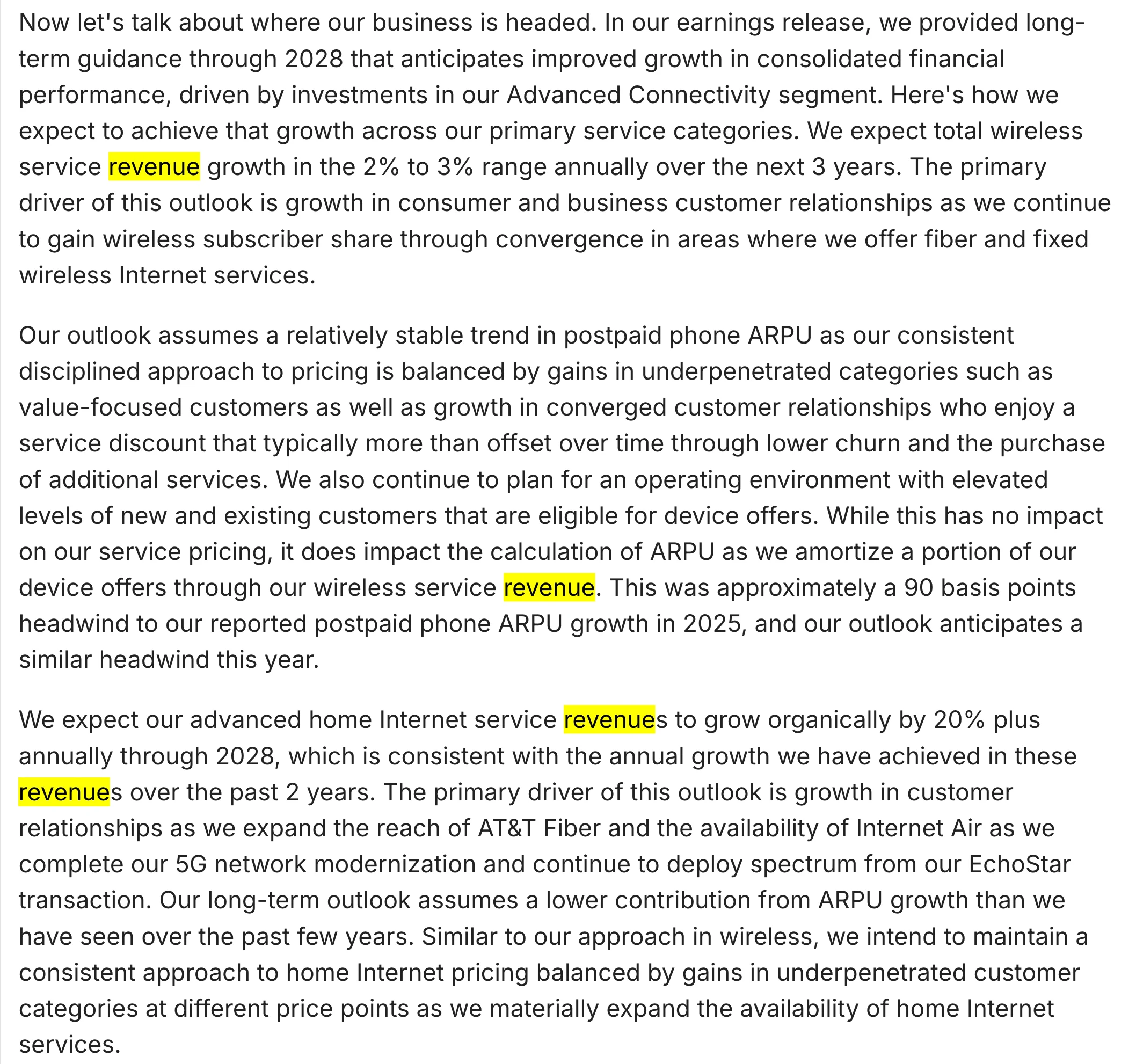
TIKR tip: Review earnings call transcripts in TIKR for management discussion of pricing versus volume contributions to revenue growth. Companies with pricing power typically highlight successful price increases, while those without emphasize volume gains or promotional activity.
Get the most up-to-date financial snapshots of thousands of stocks with TIKR (It’s free) >>>
Customer Retention and Switching Behavior
Pricing power is ultimately about customer behavior. A company has pricing power if customers stay after price increases. It lacks pricing power if customers leave. Retention metrics provide direct evidence of how customers respond when asked to pay more.
Subscription businesses often report retention or churn rates that illuminate pricing power. A software company with 95% gross retention and a 5% annual price increase for five years has demonstrated that customers value the product enough to absorb the increases. A company with 85% retention facing customer losses after each price increase has weaker pricing power than its margins might suggest.
For businesses without explicit retention metrics, customer concentration and contract length provide clues. A company with long-term contracts and diversified customers can raise prices at renewal with confidence. One with short contracts or heavy dependence on a few large buyers faces more risk that price increases trigger defection.
Market share trends reveal competitive dynamics. A company that maintains or gains market share while raising prices faster than competitors has strong pricing power. One losing share despite matching competitor pricing has weak positioning that will eventually pressure margins. Share gains during inflationary periods are particularly telling because they indicate customers chose to pay more for your product rather than switching to cheaper alternatives.
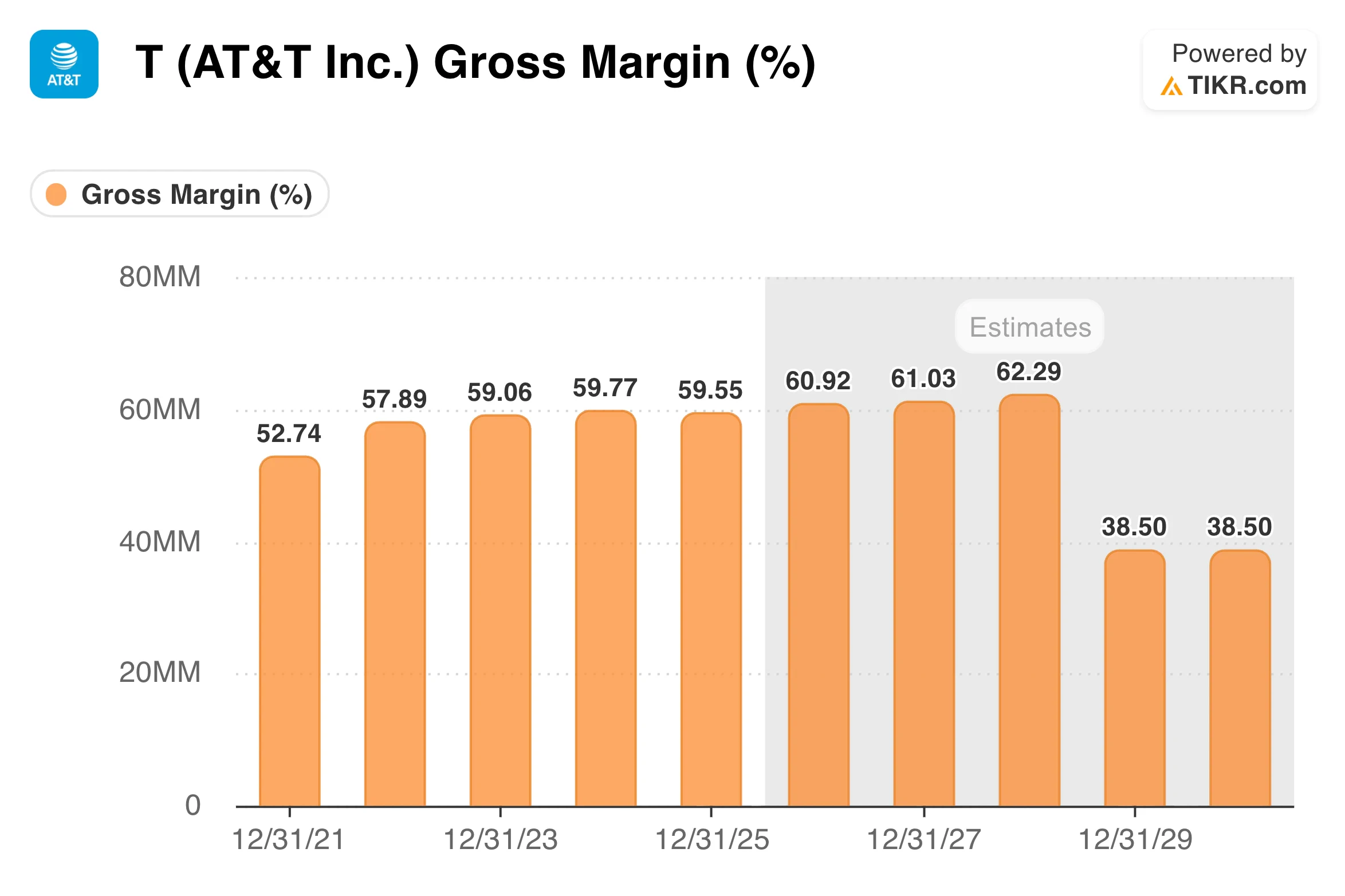
TIKR tip: TIKR’s Estimates tab shows analyst projections that often incorporate assumptions about pricing and retention. Companies where analysts expect continued margin expansion typically have pricing power, while those with margin-compression forecasts may face competitive pressure.
Competitive Response to Price Increases
Pricing power exists in a competitive context. A company may be able to raise prices, but if competitors match every increase, pricing power is industry-wide rather than company-specific. Understanding how competitors respond helps assess the durability and exclusivity of the advantage.
In industries with differentiated products, one company can often raise prices while competitors hold steady. The price leader gains margin while maintaining volume because customers value its products enough to pay a premium. This company-specific pricing power is the most valuable kind because it indicates a genuine competitive advantage that translates directly to superior economics.
In commoditized industries, price increases only stick if all competitors raise prices together. This happens during supply shortages or industry-wide cost inflation but tends to reverse when conditions normalize. A company that appears to have pricing power during a commodity cycle may find that power evaporates when supply catches up with demand.
Examining how competitors responded to recent price increases provides insight. If your target company raised prices 8% and competitors followed with similar increases, the pricing power is real but shared. If your target raised prices 8% while competitors held steady and your target retained customers, the pricing power is company-specific and far more valuable.

TIKR tip: Use TIKR’s Competitors tab to compare margin trends across an industry. If one company has expanded margins while peers saw compression, it likely possesses company-specific pricing power rather than benefiting from industry-wide dynamics.
Run a competitor analysis on TIKR for the top stocks in your portfolio (It’s free) >>>
Margin Expansion Over Time
Sustained margin expansion is the cumulative result of pricing power exercised over the years. A company that raises prices slightly faster than costs year after year will see margins expand gradually. This pattern, visible over five or ten years, indicates pricing power that management has consistently deployed.
Gross margin expansion is the clearest signal because it reflects pricing relative to direct costs. A company whose gross margin has climbed from 38% to 44% over a decade has likely exercised pricing power throughout that period. The increases may have been modest in any single year, but the compound effect is significant.
Operating margin expansion can reflect pricing power, cost discipline, or both. Disentangling the two requires examining gross margins separately. If gross margins are stable while operating margins expand, the improvement comes from cost control rather than pricing. If gross margins are expanding alongside operating margins, pricing power is contributing to the improvement.
The trajectory matters as much as the level. A company with 40% gross margins that has been stable for a decade has pricing power sufficient to maintain its position. A company with 40% gross margins, up from 32%, has pricing power that is strengthening. A company with a 40% gross margin, down from 48%, is losing pricing power despite current margins appearing healthy.

TIKR tip: TIKR’s Detailed Financials display margin trends over extended periods. Look for companies with stable or expanding gross margins over at least five years, particularly through periods of cost inflation.
Track company financials to quickly review pricing power with TIKR (It’s free) >>>
Warning Signs of Weak Pricing Power
Certain patterns indicate a company lacks pricing power or is losing what it once had. Recognizing these warning signs helps avoid businesses where margins will compress when conditions become difficult.
Heavy promotional activity suggests customers are price-sensitive and require discounts to purchase. A retailer running constant sales or a consumer goods company offering frequent coupons is admitting that full-price demand is insufficient. These businesses may show decent margins during promotional periods, but face pressure when competitors match or exceed the discounts.
Volume declines following price increases indicate customers have alternatives they are willing to use. A company that raises prices 5% and loses 8% of volume has not demonstrated pricing power. It has revealed price sensitivity that will constrain future increases. The revenue and margin impact of such increases is negative rather than positive.
Margin compression during inflationary periods is the clearest evidence of weak pricing power. When costs rise, and a company cannot pass them through, the margin structure reveals a competitive position that does not support pricing above cost. This vulnerability will persist until the company develops differentiation that justifies premium pricing.
Customer concentration creates pricing power risk, even if current margins are strong. A company with 30% of revenue from a single customer may have difficulty raising prices on that account, regardless of the value it provides. The customer’s bargaining power offsets the company’s product advantages.

TIKR tip: Review TIKR’s Detailed Financials for periods when input costs were rising across the economy. Companies whose gross margins compressed during those periods likely lack the pricing power to protect profitability in future inflationary episodes.
The TIKR Takeaway
Pricing power is one of the most important characteristics to evaluate when analyzing a business. Companies that can raise prices without losing customers possess an advantage that compounds over time through margin expansion, earnings growth, and resilience during inflationary periods. Companies without pricing power face a constant struggle to maintain profitability as costs rise and competitors pressure prices.
The evidence of pricing power appears throughout the financial statements. Gross margins that remain stable or expand during inflation indicate the ability to pass through costs. Revenue growth driven by price rather than volume indicates customers are accepting price increases. Margin expansion over extended periods indicates consistent pricing power. Comparing these patterns with competitors’ helps distinguish company-specific advantages from industry-wide dynamics.
TIKR provides the data needed to systematically assess pricing power. Historical financials reveal margin trends over periods that include inflationary stress tests. Earnings transcripts capture management discussion of pricing strategy and customer response. Competitor comparisons show whether advantages are unique or shared. Together, these tools help identify businesses with pricing power that sets them apart from mediocre investments.
Find undervalued stocks in less than 60 seconds with TIKR’s new Valuation Model (It’s free) >>>
Value Any Stock in Under 60 Seconds with TIKR
With TIKR’s new Valuation Model tool, you can estimate a stock’s potential share price in under a minute.
All it takes is three simple inputs:
- Revenue Growth
- Operating Margins
- Exit P/E Multiple
If you’re not sure what to enter, TIKR automatically fills in each input using analysts’ consensus estimates, giving you a quick, reliable starting point.
From there, TIKR calculates the potential share price and total returns under Bull, Base, and Bear scenarios so you can quickly see whether a stock looks undervalued or overvalued.
See a stock’s true value in under 60 seconds (Free with TIKR) >>>
Looking for New Opportunities?
- Discover which stocks billionaire investors are purchasing, so you can follow the smart money.
- Analyze stocks in as little as 5 minutes with TIKR’s all-in-one, easy-to-use platform.
- The more rocks you overturn… the more opportunities you’ll uncover. Search 100K+ global stocks, global top investor holdings, and more with TIKR.
Disclaimer:
Please note that the articles on TIKR are not intended to serve as investment or financial advice from TIKR or our content team, nor are they recommendations to buy or sell any stocks. We create our content based on TIKR Terminal’s investment data and analysts’ estimates. Our analysis might not include recent company news or important updates. TIKR has no position in any stocks mentioned. Thank you for reading, and happy investing!