Management quality determines whether a good business stays good or becomes great. Two companies with identical market positions, products, and financial profiles will produce vastly different results depending on who runs them. A management team that allocates capital wisely, communicates honestly, and builds competitive advantage over time. Another squanders cash on poor acquisitions, misleads investors, and coast on inherited strengths until competitors catch up.
Yet most investors spend far more time analyzing financial statements than evaluating the people who produce them. They study margins and returns without considering whether management will sustain them or erode them. They project growth rates without considering whether leadership has the skill to execute. This oversight matters because management quality compounds over time. Good decisions build on each other. Bad decisions create problems that spawn more problems.
Evaluating management requires examining track record, capital allocation, communication quality, and incentive alignment. None of these factors appears directly on the income statement, but all of them influence what that income statement will look like in five years. A few hours studying management often reveals more about future returns than days spent refining financial models.
Find out what a stock’s really worth in under 60 seconds with TIKR’s new Valuation Model (It’s free)>>>
Examine the Track Record of Execution
Past performance provides the most reliable evidence of management capability. A leadership team that has consistently met or exceeded guidance, grown the business profitably, and navigated challenges successfully will likely continue doing so. One that has repeatedly missed targets, destroyed value through poor decisions, and blamed external factors for failures will likely continue that pattern.
Compare historical guidance to actual results over multiple years. Management teams that consistently under-promise and over-deliver have earned credibility. Those who set ambitious targets and repeatedly miss them have either poor forecasting ability or a tendency to overpromise. Pay attention to how management explains misses. Leaders who acknowledge mistakes, explain what went wrong, and describe corrective actions demonstrate accountability. Those who blame the economy, competitors, or one-time factors for every shortfall demonstrate denial.
Look at performance through difficult periods. Any management team can look competent during a rising tide. The true test comes during recessions, competitive challenges, or industry disruptions. Did leadership navigate the 2020 pandemic effectively? Did they maintain strategic investments during the 2022 downturn or panic and cut indiscriminately? How management performs under pressure reveals character and capability that calm periods cannot test.
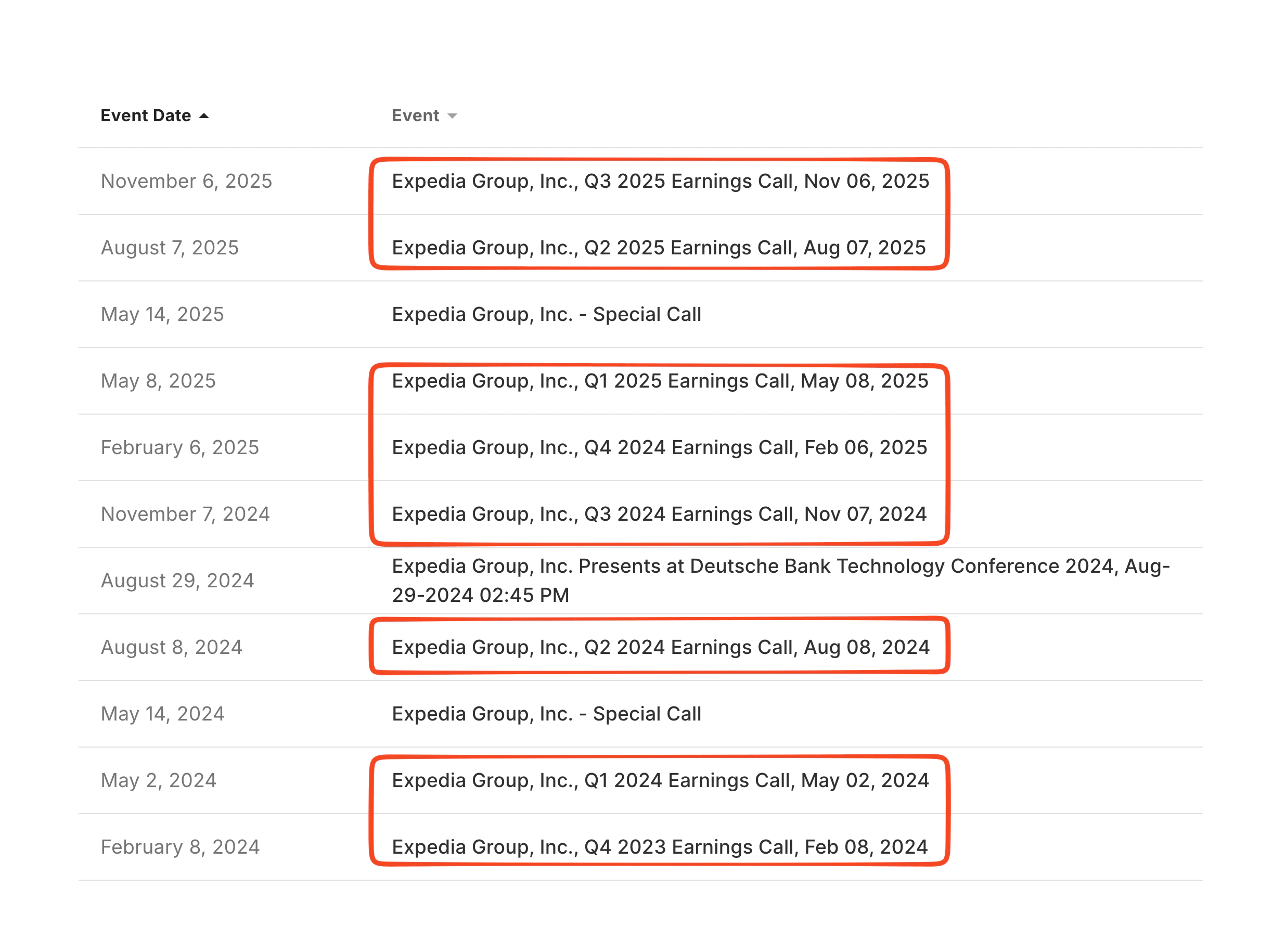
TIKR tip: Read several years of earnings transcripts in TIKR’s Transcripts section, focusing on how management explained challenges and what actions they promised. Then check subsequent transcripts to see whether they delivered on those promises.
Assess a company’s management quality with earnings transcripts (Free with TIKR) >>>
Assess Capital Allocation Decisions
Capital allocation separates great management from merely competent management. Every dollar of profit presents a choice: reinvest in the business, make acquisitions, pay down debt, buy back shares, or pay dividends. Over time, these decisions determine whether the company compounds value or squanders it.
Examine the acquisition track record closely. Many management teams destroy value through overpriced acquisitions that never deliver promised synergies. Look at deals made five or more years ago and assess whether they created value. Did the acquired businesses grow and improve margins? Did integration go smoothly? Or did the company eventually write down goodwill and quietly admit the acquisition failed? Serial acquirers with histories of write-downs have demonstrated poor judgment, which likely persists.
Evaluate share repurchases for timing and discipline. The best management teams buy back stock aggressively when prices are low and conserve cash when prices are high. The worst do the opposite, repurchasing heavily at peaks when cash is plentiful and stopping at troughs when cash is tight. Check whether buybacks actually reduced share count or merely offset dilution from stock compensation. A company announcing billions in buybacks while share count stays flat is transferring value to employees rather than returning it to shareholders.
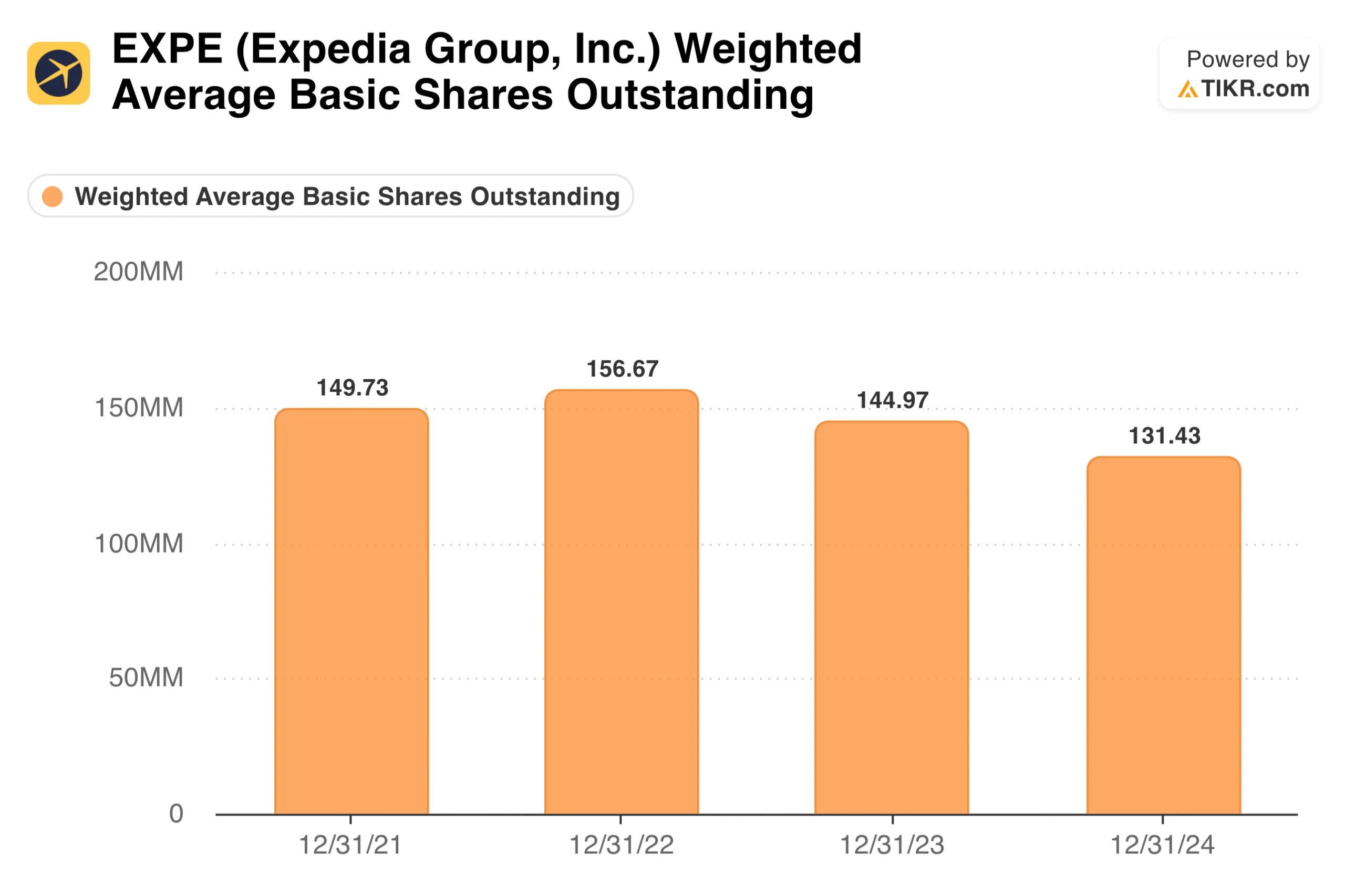
TIKR tip: Track shares outstanding over time in TIKR’s Detailed Financials to see whether buyback programs actually reduce share count. Compare repurchase activity to stock price history to assess whether management bought at attractive or stretched valuations.
Value any stock in less than 60 seconds with TIKR’s new Valuation Model (It’s free) >>>
Evaluate Communication and Transparency
How management communicates reveals how they think about shareholders and their own accountability. Transparent leaders discuss challenges openly, explain their reasoning, and acknowledge uncertainty. Promotional leaders spin every development positively, avoid difficult topics, and project unwarranted confidence. The former treats shareholders as partners. The latter treats them as marks.
Listen to earnings calls for substance versus deflection. Strong management teams answer analyst questions directly, provide context that helps investors understand the business, and admit when they do not know something. Weak teams give rehearsed non-answers, pivot to talking points, and never acknowledge problems until they become impossible to hide. The quality of Q&A reveals more about management than prepared remarks ever can.
Watch for consistency between words and actions. Management teams that emphasize long-term thinking should make decisions that sacrifice short-term results for future benefits. Those who talk about returns on capital should actually earn high returns on capital. Leaders who say one thing and do another have revealed that their communication serves public relations rather than genuine transparency. Trust actions over words whenever they conflict.
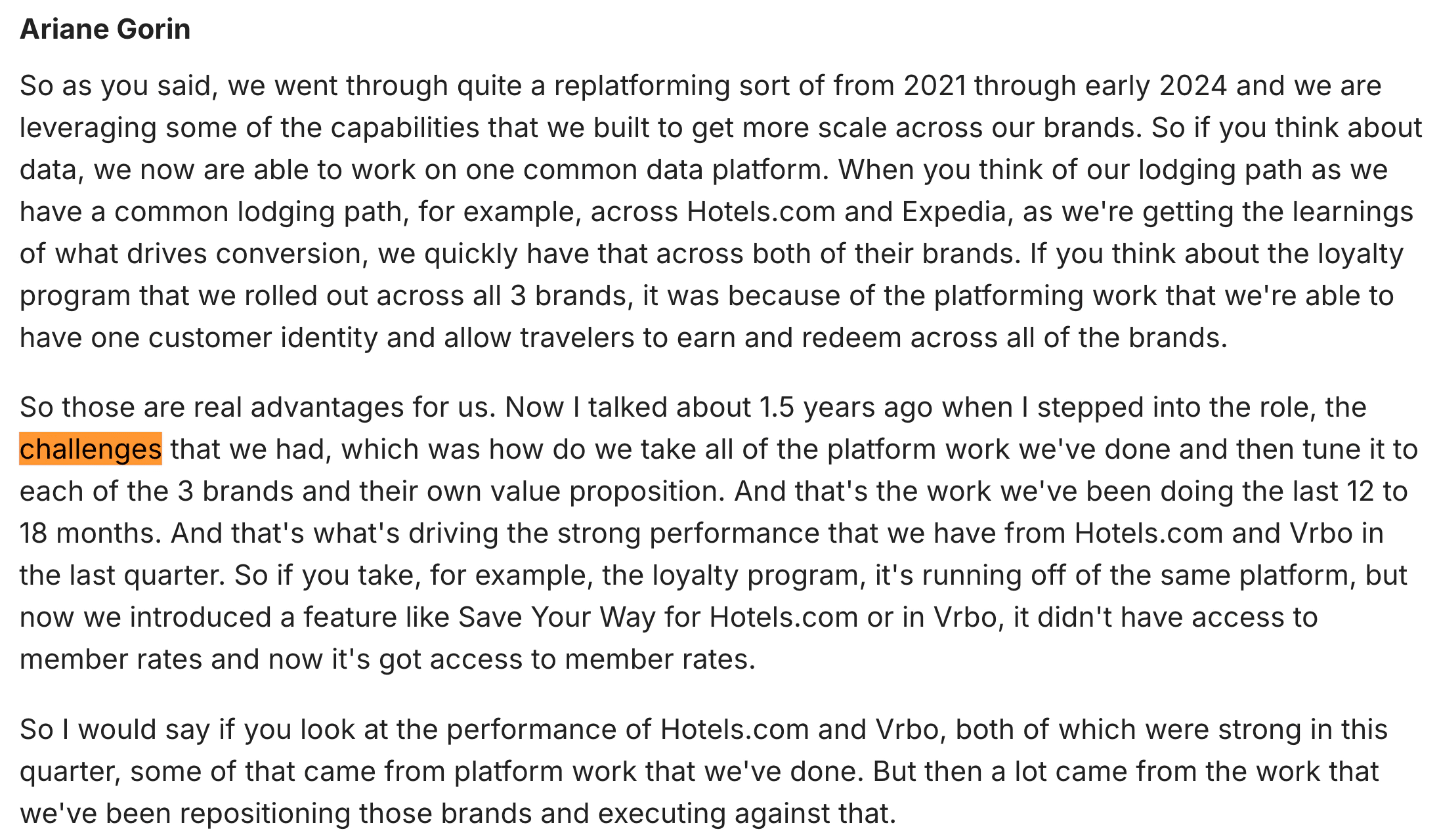
TIKR tip: Use TIKR’s Transcripts section to compare management commentary from two or three years ago to what actually happened. Leaders who accurately describe challenges and opportunities deserve greater credibility than those whose past statements proved false or misleading.
Get the most up-to-date management snapshots of thousands of stocks with TIKR (It’s free) >>>
Analyze Incentive Alignment
Incentive structures shape management behavior more reliably than stated intentions. Executives who own significant stock think like owners and make decisions that benefit long-term shareholders. Those with minimal ownership and compensation tied to short-term metrics often optimize for bonuses rather than business value.
Insider ownership matters because it directly aligns interests. A CEO with 5% of personal wealth in company stock will think carefully before making risky acquisitions or aggressive accounting choices. One with minimal ownership faces different calculations. Look for meaningful ownership relative to the executive’s net worth, not just absolute share counts. Ten thousand shares means something different to a CEO worth $5 million than to one worth $500 million.
Insider transactions reveal confidence levels in real time. Executives buying shares with their own money are betting on the company’s future. Those selling heavily despite reasonable valuations may know something that public information does not capture. Consistent buying during periods of stock weakness signals genuine conviction. Consistent selling regardless of price signals that insiders view their stock as currency to monetize rather than an investment to hold.

TIKR tip: Review insider ownership levels and recent transactions in TIKR’s Ownership tab. Focus on open-market purchases, which reflect genuine conviction, rather than option exercises or grants, which reflect compensation mechanics
Track company financials to quickly assess management quality with TIKR (It’s free) >>>
The TIKR Takeaway
Management quality compounds over time in ways that financial statements only partially capture. Good leaders make decisions today that improve results for years. Poor leaders make decisions that feel acceptable now but create problems that grow. Evaluating the people running a business provides insight into future performance that historical financials cannot.
The assessment requires examining multiple dimensions: execution track record that demonstrates capability, capital allocation decisions that reveal judgment, communication quality that indicates transparency, and incentive alignment that shapes behavior. No single factor tells the whole story, but together they paint a picture of whether management will build value or destroy it.
TIKR provides tools to conduct this evaluation systematically. Earnings transcripts reveal how management thinks, communicates, and responds to challenges. Historical financials show whether capital allocation decisions created value over time. Ownership data displays insider holdings and transactions that indicate alignment and conviction. These tools help you assess the people behind the numbers before trusting them with your capital.
Find undervalued stocks in less than 60 seconds with TIKR’s new Valuation Model (It’s free) >>>
Value Any Stock in Under 60 Seconds with TIKR
With TIKR’s new Valuation Model tool, you can estimate a stock’s potential share price in under a minute.
All it takes is three simple inputs:
- Revenue Growth
- Operating Margins
- Exit P/E Multiple
If you’re not sure what to enter, TIKR automatically fills in each input using analysts’ consensus estimates, giving you a quick, reliable starting point.
From there, TIKR calculates the potential share price and total returns under Bull, Base, and Bear scenarios so you can quickly see whether a stock looks undervalued or overvalued.
See a stock’s true value in under 60 seconds (Free with TIKR) >>>
Looking for New Opportunities?
- Discover which stocks billionaire investors are purchasing, so you can follow the smart money.
- Analyze stocks in as little as 5 minutes with TIKR’s all-in-one, easy-to-use platform.
- The more rocks you overturn… the more opportunities you’ll uncover. Search 100K+ global stocks, global top investor holdings, and more with TIKR.
Disclaimer:
Please note that the articles on TIKR are not intended to serve as investment or financial advice from TIKR or our content team, nor are they recommendations to buy or sell any stocks. We create our content based on TIKR Terminal’s investment data and analysts’ estimates. Our analysis might not include recent company news or important updates. TIKR has no position in any stocks mentioned. Thank you for reading, and happy investing!