Knowing when to sell separates good investors from great ones. Most investors spend considerable effort deciding what to buy and almost no effort defining when to sell. They watch positions deteriorate, hoping problems are temporary, until losses become too painful to ignore. By then, the damage is done. A disciplined sales process protects capital and frees it for better opportunities.
The hardest sells come when fundamentals change after you buy. The thesis that justified your purchase no longer holds. Revenue decelerates. Margins compress. Returns on capital decline. The competitive position weakens. These shifts demand action, but human psychology resists selling at a loss or admitting a mistake. Investors rationalize, hoping the next quarter brings improvement that never arrives.
Selling well requires clearly defining your thesis before you buy, monitoring the specific metrics that would invalidate it, and acting decisively when the evidence indicates your original reasoning no longer applies. This approach removes emotion from the decision. You sell not because the stock price fell but because the business changed in ways that alter its value.
Find out what a stock’s really worth in under 60 seconds with TIKR’s new Valuation Model (It’s free)>>>
Define Your Thesis Before You Buy
Every investment rests on assumptions about the business. You expect revenue to grow at a certain pace. You believe margins will hold or expand. You trust management to allocate capital wisely. You assume competitive advantages will persist. Writing these assumptions down creates a framework for evaluating whether the investment still makes sense.
Specific assumptions enable specific monitoring. A vague thesis like “this is a good company” provides no guidance on when to sell. A specific thesis like “revenue will grow 12-15% annually, operating margins will stay above 20%, and the company will maintain market share leadership” tells you exactly what to watch. If any assumption breaks, you have a trigger to reevaluate.
Include the timeframe for your assumptions. Some investments require patience through short-term volatility. Others depend on near-term catalysts that either happen or do not. Knowing your expected holding period helps distinguish temporary noise from genuine thesis breaks. A two-year investment that misses one quarter may deserve patience. One that misses four consecutive quarters has likely broken.
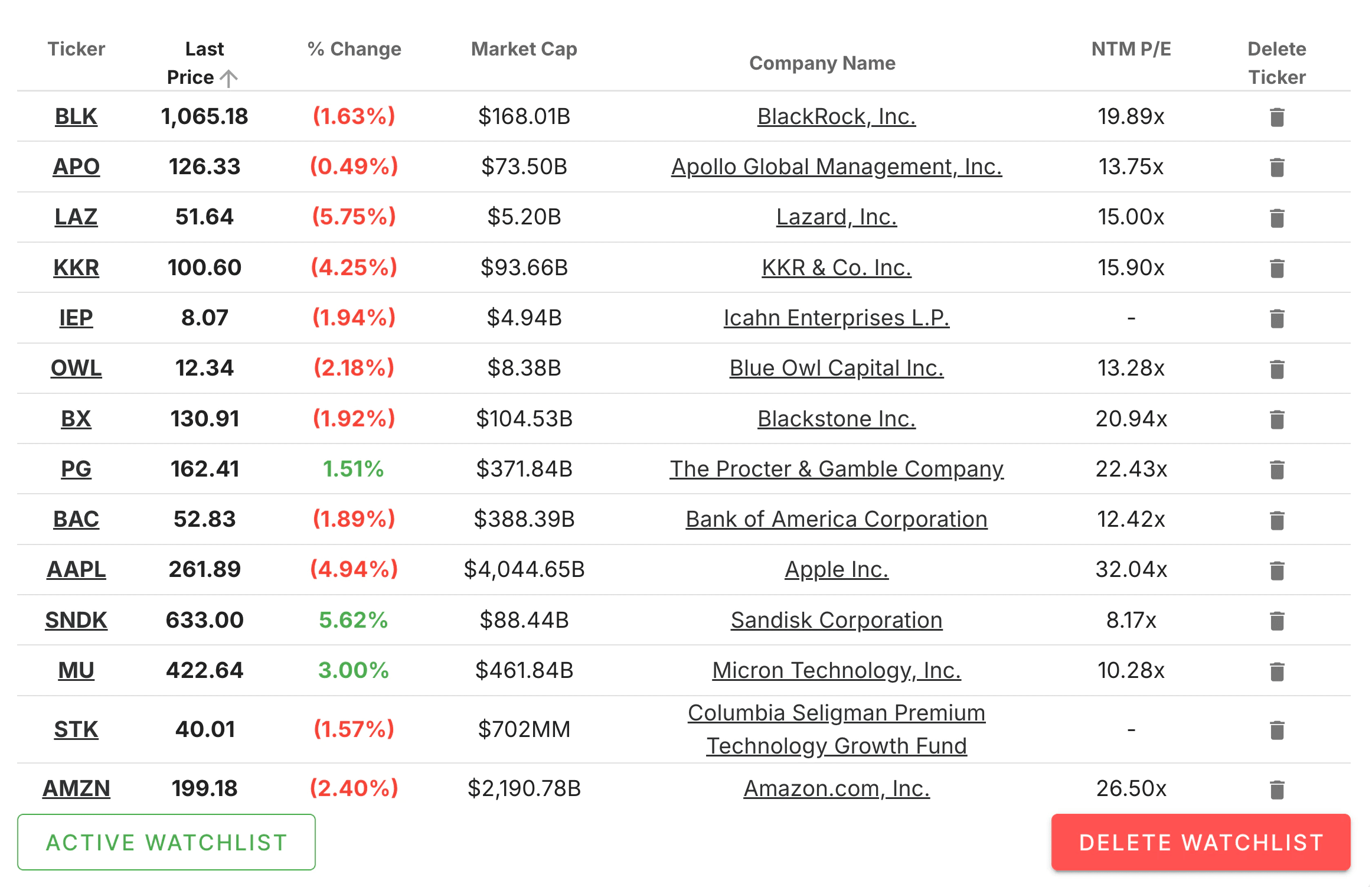
TIKR tip: Create a watchlist in TIKR for each position and note your key assumptions in the description field. This creates a written record you can reference when deciding whether fundamentals have changed enough to warrant selling.
Review a stock’s fundamentals instantly (Free with TIKR) >>>
Monitor the Metrics That Matter
Revenue trends reveal whether customers still want what the company sells. Sustained deceleration signals weakening demand or competitive pressure that often precedes margin problems. Compare revenue growth with prior periods and competitors. A company growing 8% when it previously grew 15% and peers grow 12% faces deterioration on multiple fronts.
Margin compression indicates pricing pressure, cost inflation that the company cannot pass through, or loss of operating leverage. Gross margin weakness suggests competitive or input cost problems. Weak operating margins may reflect investment in growth or signal efficiency losses. Distinguish between margin compression from strategic investment, which may be acceptable, and compression from competitive weakness, which usually is not.
Returns on capital measure how effectively the business converts investment into profits. Declining ROC often precedes earnings declines because it reveals weakening competitive position before that weakness fully hits the income statement. A company whose ROC has fallen from 18% to 12% over three years is becoming a worse business, regardless of its earnings.

TIKR tip: Track revenue growth, gross margin, operating margin, and ROC in TIKR’s Detailed Financials under the Ratios section. Set a routine to check these metrics quarterly against your original assumptions.
Value any stock in less than 60 seconds with TIKR’s new Valuation Model (It’s free) >>>
Distinguish Temporary Problems From Permanent Change
Not every bad quarter signals fundamental change. Supply chain disruptions, one-time costs, weather effects, and macroeconomic shocks can depress results temporarily without impairing long-term earning power. Selling on every setback locks in losses that patient holders recover. The challenge is distinguishing temporary noise from permanent deterioration.
Temporary problems leave competitive position intact. A factory fire disrupts production but does not change customer relationships or market share. An economic recession reduces demand but does not alter the company’s advantages over competitors. When the disruption passes, the business returns to its previous trajectory. Permanent changes impair the company’s ability to compete effectively. A new rival with a better product, a technology shift that makes offerings obsolete, or customer preferences that have moved elsewhere do not reverse when conditions normalize.
Compare the company’s performance to peers facing similar conditions. If the entire industry struggles but your company holds a relative position, the problems are likely cyclical or external. If your company underperforms peers in the same environment, something company-specific is wrong. This relative lens helps separate market conditions from fundamental deterioration.
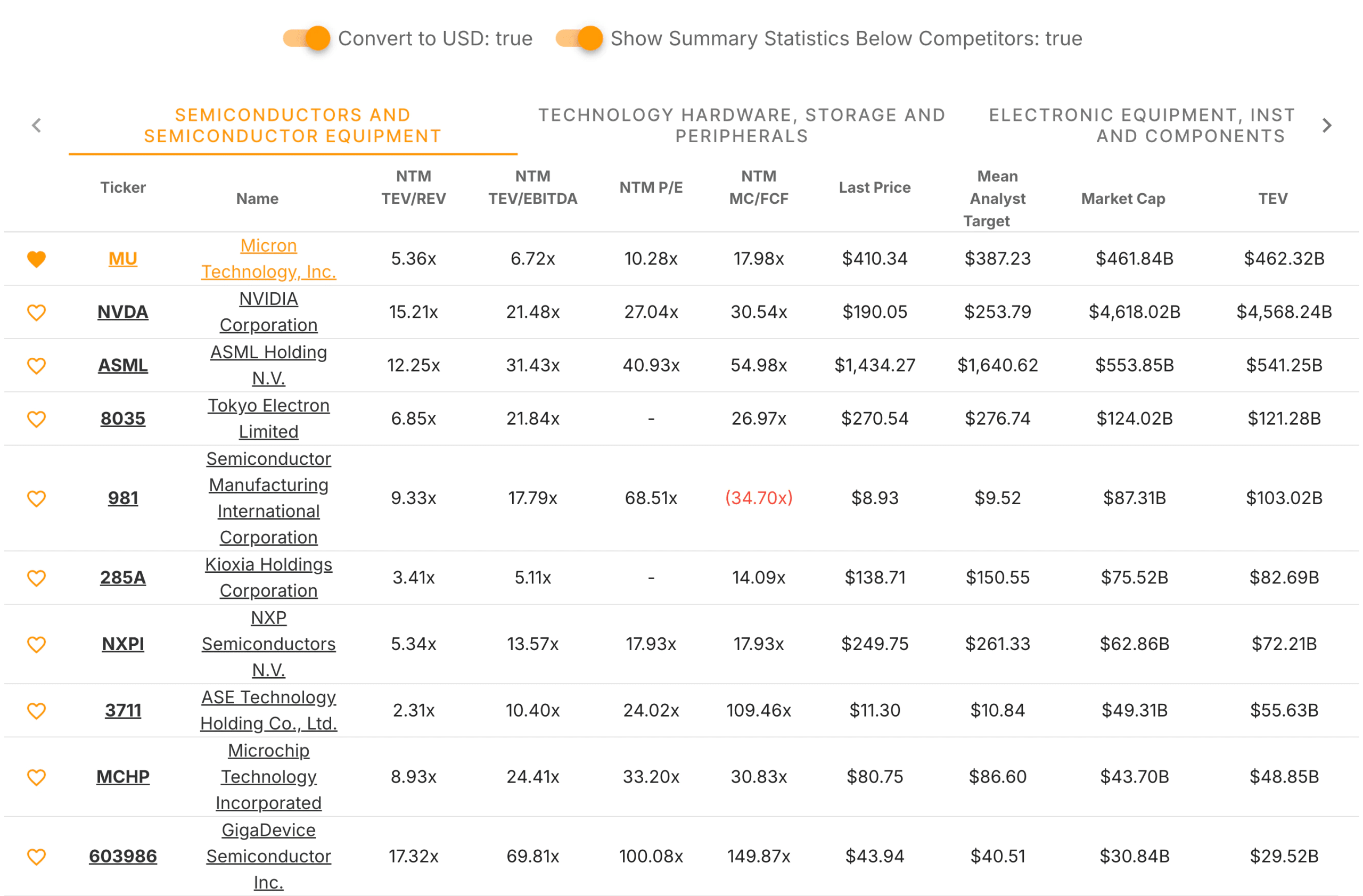
TIKR tip: Use TIKR’s Competitors tab to identify peer companies, then compare revenue trends across the group in their individual Detailed Financials. Underperformance relative to peers often signals company-specific problems rather than industry-wide headwinds.
Get the most up-to-date financial snapshots of thousands of stocks with TIKR (It’s free) >>>
Act Decisively When Fundamentals Break
Once you determine that fundamentals have genuinely changed, act promptly. Waiting for confirmation that never comes allows losses to compound. Hoping the next quarter improves keeps capital trapped in deteriorating businesses. The stock price may recover temporarily, but a broken thesis rarely repairs itself.
Sell in stages if uncertainty remains. Reduce the position by half when warning signs emerge, then sell the remainder if problems persist. This approach limits damage if you are wrong about the deterioration while maintaining some exposure if conditions improve. Full conviction to hold requires full confidence that fundamentals remain intact.
Avoid anchoring to your purchase price. The stock does not know what you paid for it. A position down 40% with broken fundamentals will likely decline further. A position up 40% with broken fundamentals may give back those gains and more. The relevant question is not whether you have a gain or loss but whether the current facts support owning the stock at today’s price. If fundamentals have changed, the purchase price is irrelevant.

TIKR tip: Review insider transactions in TIKR’s Ownership tab when evaluating fundamental changes. Heavy insider selling alongside deteriorating metrics often confirms that those closest to the business share your concerns.
Track company financials to quickly review pricing power with TIKR (It’s free) >>>
The TIKR Takeaway
Selling when fundamentals change protects capital from permanent impairment. The discipline requires defining your thesis clearly before buying, monitoring specific metrics that would invalidate it, distinguishing temporary setbacks from permanent change, and acting decisively when the evidence turns against you.
Most investors hold too long because selling means admitting a mistake. They watch revenue decelerate, margins compress, and returns decline while hoping for turnarounds that rarely materialize. A systematic approach removes emotion from the decision. You sell not because the price dropped but because the business no longer meets the criteria that justified owning it.
TIKR provides the data to implement this discipline. Historical financials reveal whether trends are deteriorating or holding steady. Competitor comparisons show whether problems are company-specific or industry-wide. Insider activity indicates whether management shares your confidence or has begun heading for the exits. These tools help you recognize when fundamentals have changed and give you the conviction to act.
Find undervalued stocks in less than 60 seconds with TIKR’s new Valuation Model (It’s free) >>>
Value Any Stock in Under 60 Seconds with TIKR
With TIKR’s new Valuation Model tool, you can estimate a stock’s potential share price in under a minute.
All it takes is three simple inputs:
- Revenue Growth
- Operating Margins
- Exit P/E Multiple
If you’re not sure what to enter, TIKR automatically fills in each input using analysts’ consensus estimates, giving you a quick, reliable starting point.
From there, TIKR calculates the potential share price and total returns under Bull, Base, and Bear scenarios so you can quickly see whether a stock looks undervalued or overvalued.
See a stock’s true value in under 60 seconds (Free with TIKR) >>>
Looking for New Opportunities?
- Discover which stocks billionaire investors are purchasing, so you can follow the smart money.
- Analyze stocks in as little as 5 minutes with TIKR’s all-in-one, easy-to-use platform.
- The more rocks you overturn… the more opportunities you’ll uncover. Search 100K+ global stocks, global top investor holdings, and more with TIKR.
Disclaimer:
Please note that the articles on TIKR are not intended to serve as investment or financial advice from TIKR or our content team, nor are they recommendations to buy or sell any stocks. We create our content based on TIKR Terminal’s investment data and analysts’ estimates. Our analysis might not include recent company news or important updates. TIKR has no position in any stocks mentioned. Thank you for reading, and happy investing!