


Management quality compounds over time in ways that financial statements only partially capture. While many investors focus on quarterly earnings or revenue growth, the most critical driver of long-term returns is how leadership chooses to deploy the cash a business generates. Every dollar of profit presents a choice between reinvesting in the core business, making acquisitions, reducing debt, or returning capital through dividends and buybacks.
The success of these decisions determines whether a company stays good or becomes great. A management team that allocates capital wisely builds a competitive advantage that is difficult for rivals to replicate. Conversely, a leadership team that squanders cash on poor acquisitions or ill-timed buybacks can destroy years of business value in a single transaction.
Evaluating a company’s capital allocation strategy requires looking beyond stated intentions to the actual execution track record. This analysis helps investors identify businesses where the management team acts as a partner to shareholders rather than a promoter of its own interests. Understanding this framework is essential for distinguishing durable compounders from businesses that are simply coasting on inherited strengths.
Evaluating the Strategic Rationale for M&A
Mergers and acquisitions often serve as the ultimate test of management’s discipline. While acquisitions can accelerate entry into new markets, they carry high risks of overpayment and integration failure. This section is vital because M&A is frequently where the largest amounts of shareholder capital are either multiplied or lost.
Analyzing a track record requires reviewing deals made several years ago to assess whether they created value. Investors should check if acquired businesses grew and improved margins following the transaction. Serial acquirers with a history of goodwill write-downs have demonstrated poor judgment that likely persists.
Transparency in communication reveals if management treats shareholders as partners. High-quality leaders discuss challenges openly and admit when they do not know something. Trusting actions over words is necessary when management’s rhetoric about “strategic fit” conflicts with reality.
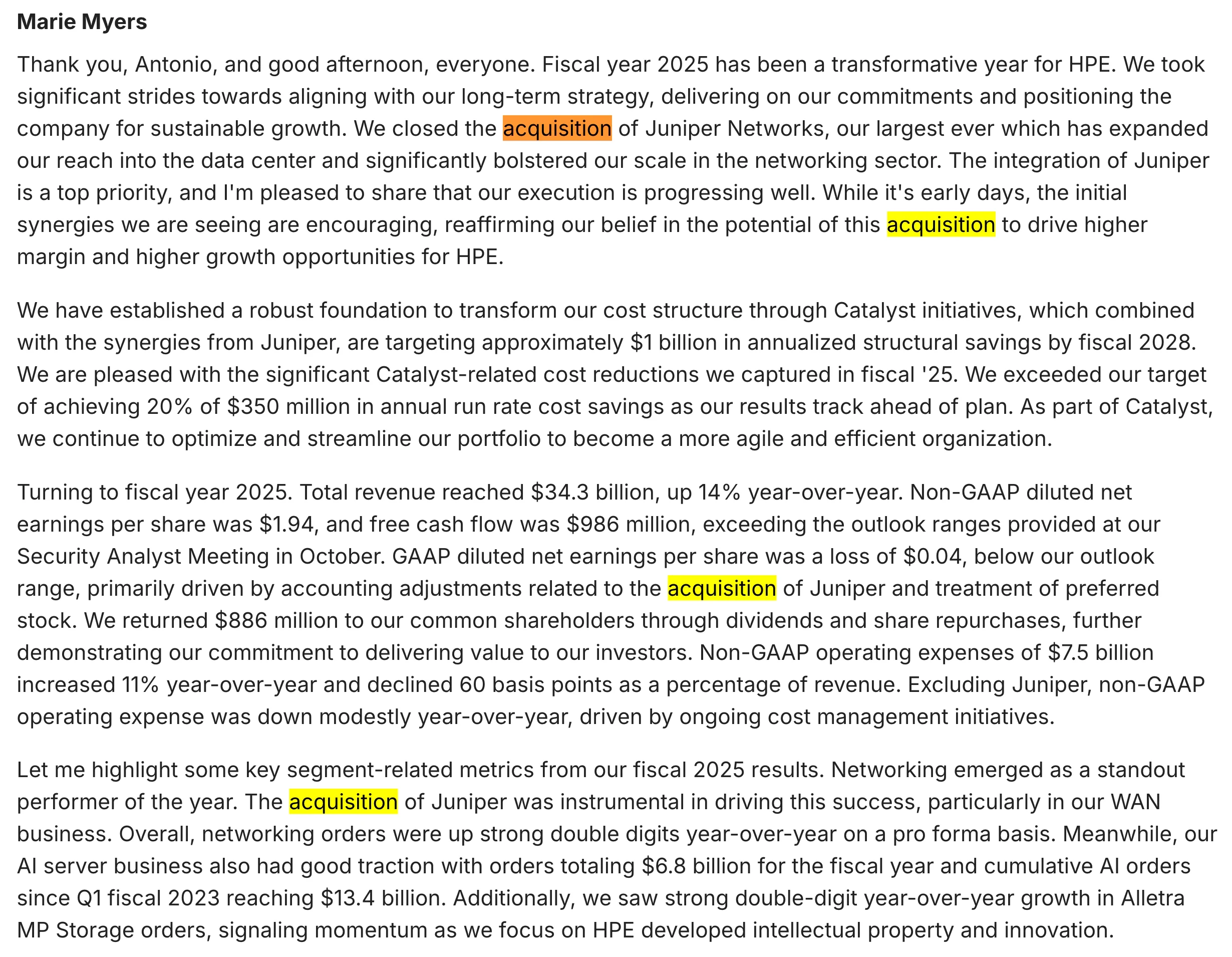
TIKR Tip: Use TIKR’s Transcripts section to read several years of earnings calls from companies like Hewlett-Packard (HPE) to compare past management promises regarding M&A of companies like Juniper to the actual financial results delivered later.
Read through historical earnings call transcripts (Free with TIKR) >>>
The Math and Discipline of Share Buybacks
Share buybacks are a critical pillar of capital allocation because they represent a choice to reinvest in the company’s own equity. This section is included because buybacks are a primary way companies return cash, but they only create value if the price paid is below intrinsic value. If a company overpays, it destroys capital.
Discipline separates value-creating programs from mechanical ones. Many companies buy high when cash is plentiful and stop when prices fall, which destroys value. The best allocators are countercyclical, accelerating repurchases during market downturns when their stock is temporarily out of favor.
Actual share count reduction is the only true measure of a buyback program’s efficacy. Many companies execute repurchases that merely offset dilution from stock-based compensation. A company that has consistently reduced its shares outstanding for a decade has genuinely returned capital to its holders.
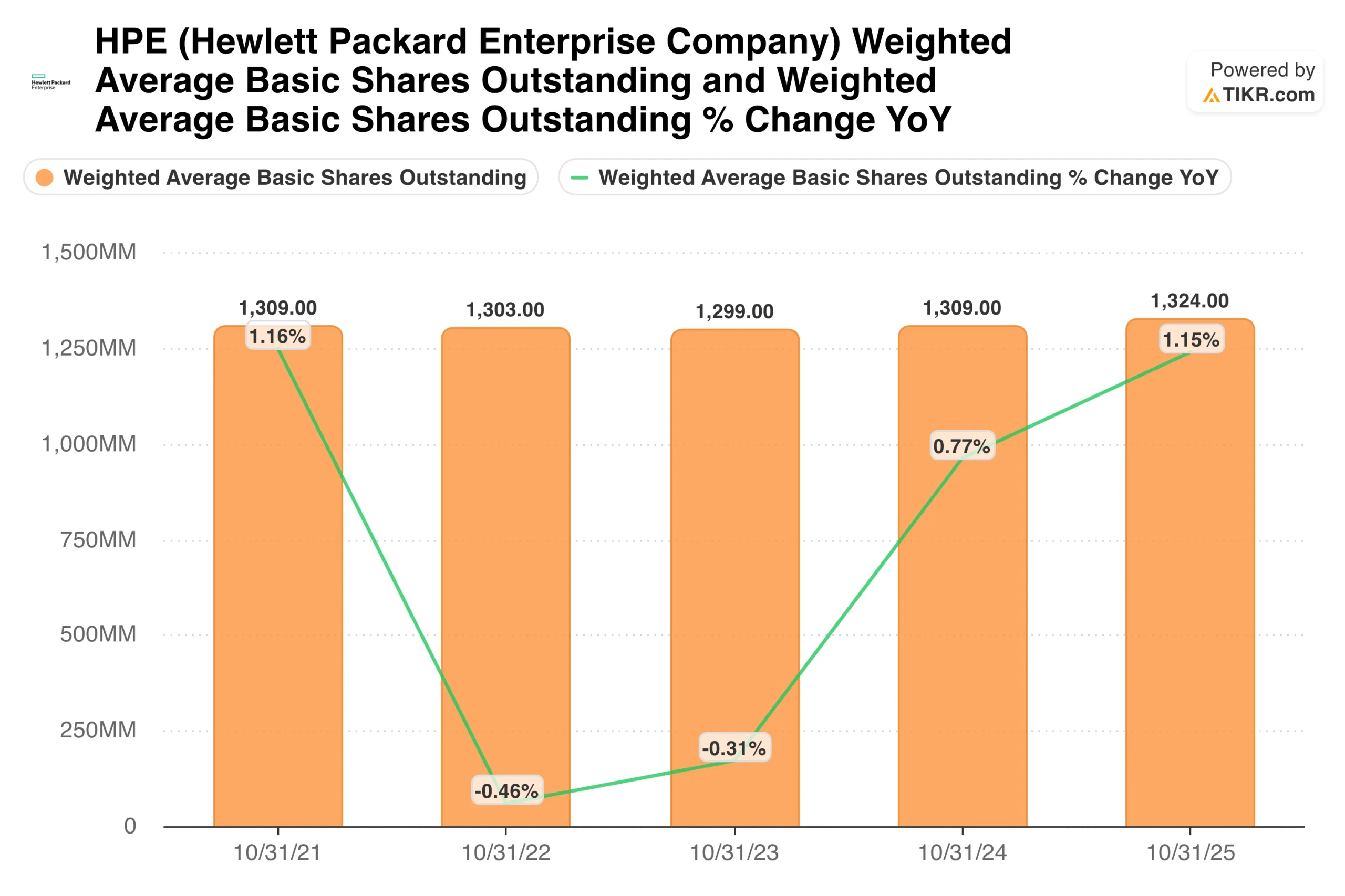
TIKR Tip: Review the Weighted Average Basic Shares Outstanding in TIKR’s Detailed Financials over multiple years to confirm if buyback spending is leading to a real reduction in the equity base.
Review outstanding share counts for any stock in less than 60 seconds with TIKR (It’s free) >>>
Prioritizing Internal Reinvestment and Returns
Capital allocation is ultimately about choosing among alternatives. A company should only consider buybacks or M&A after it has exhausted high-return internal reinvestment opportunities. This section explains the hierarchy of spending; a business should prioritize its own operations if it can earn returns well above its cost of capital.
The Return on Capital (ROC) metric provides an essential window into investment efficacy. A high and stable ROC suggests management is successfully defending its competitive moat. Buybacks make more sense when a company’s ROC is mature, and investment opportunities are limited.
Debt reduction also offers a compelling return, particularly when rates are high. A company with significant leverage may create more value by paying down debt than by repurchasing equity at questionable valuations. Reducing debt improves financial flexibility and lowers risk during industry downturns.
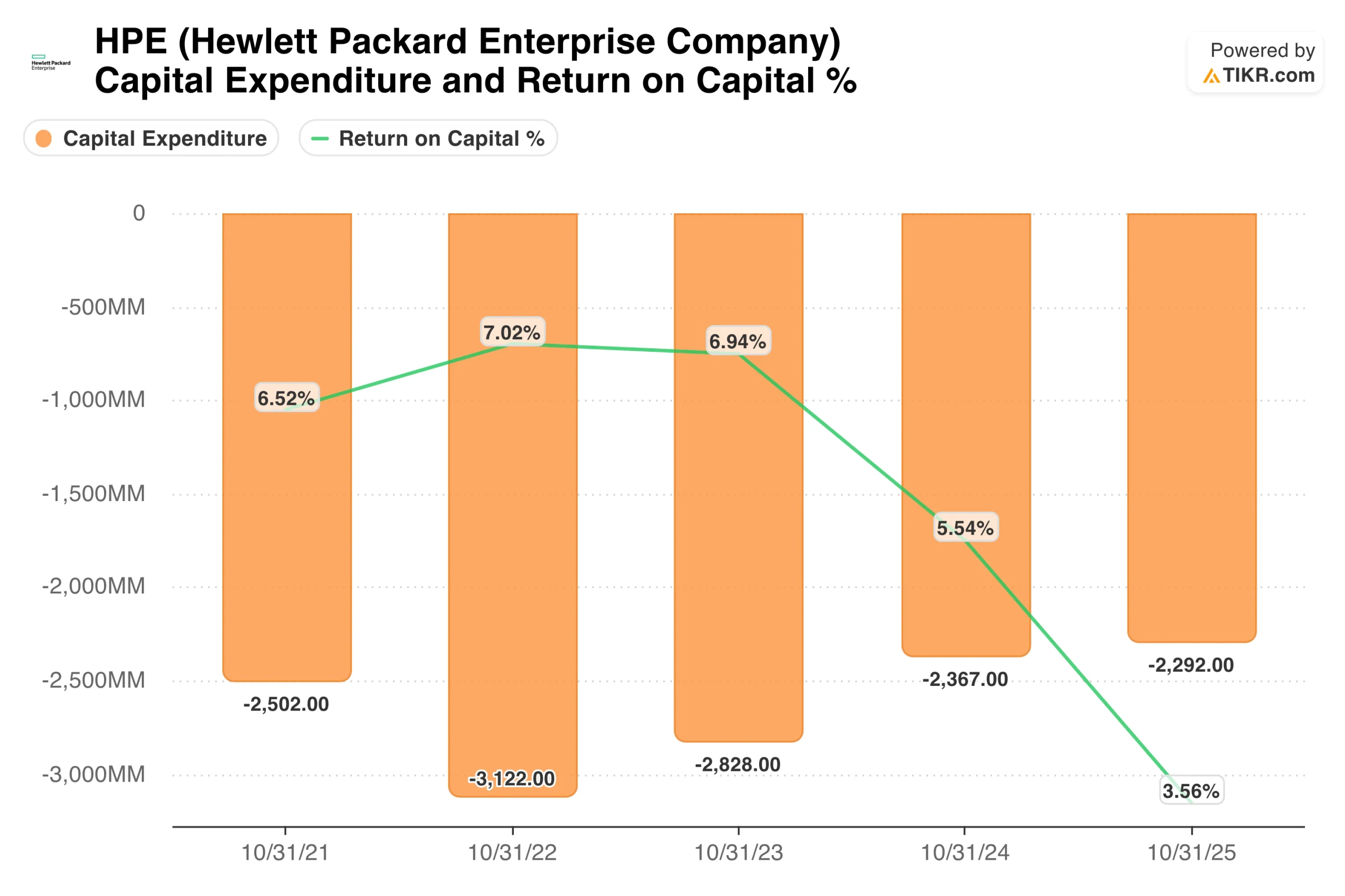
TIKR Tip: Examine Return on Capital (ROC) in TIKR’s Ratios section alongside capital expenditure trends to see if margin expansion is supported by genuine operational reinvestment.
Aligning Incentives and Insider Conviction
Incentive structures shape management behavior more reliably than stated intentions. This section is crucial because if executive pay is tied to short-term earnings per share (EPS) targets, management may use buybacks to trigger bonus payments. This can occur even if those repurchases destroy long-term value.
Meaningful insider ownership aligns leadership with long-term holders. A CEO with a significant personal stake will think like an owner when making capital allocation decisions. They are less likely to overpay for prestige-driven acquisitions if their own net worth is at stake.
Insider transactions reveal confidence levels in real time. Executives buying shares during difficult periods are betting on recovery with their own money. Conversely, consistent selling regardless of price may signal that insiders view the stock as currency to monetize.
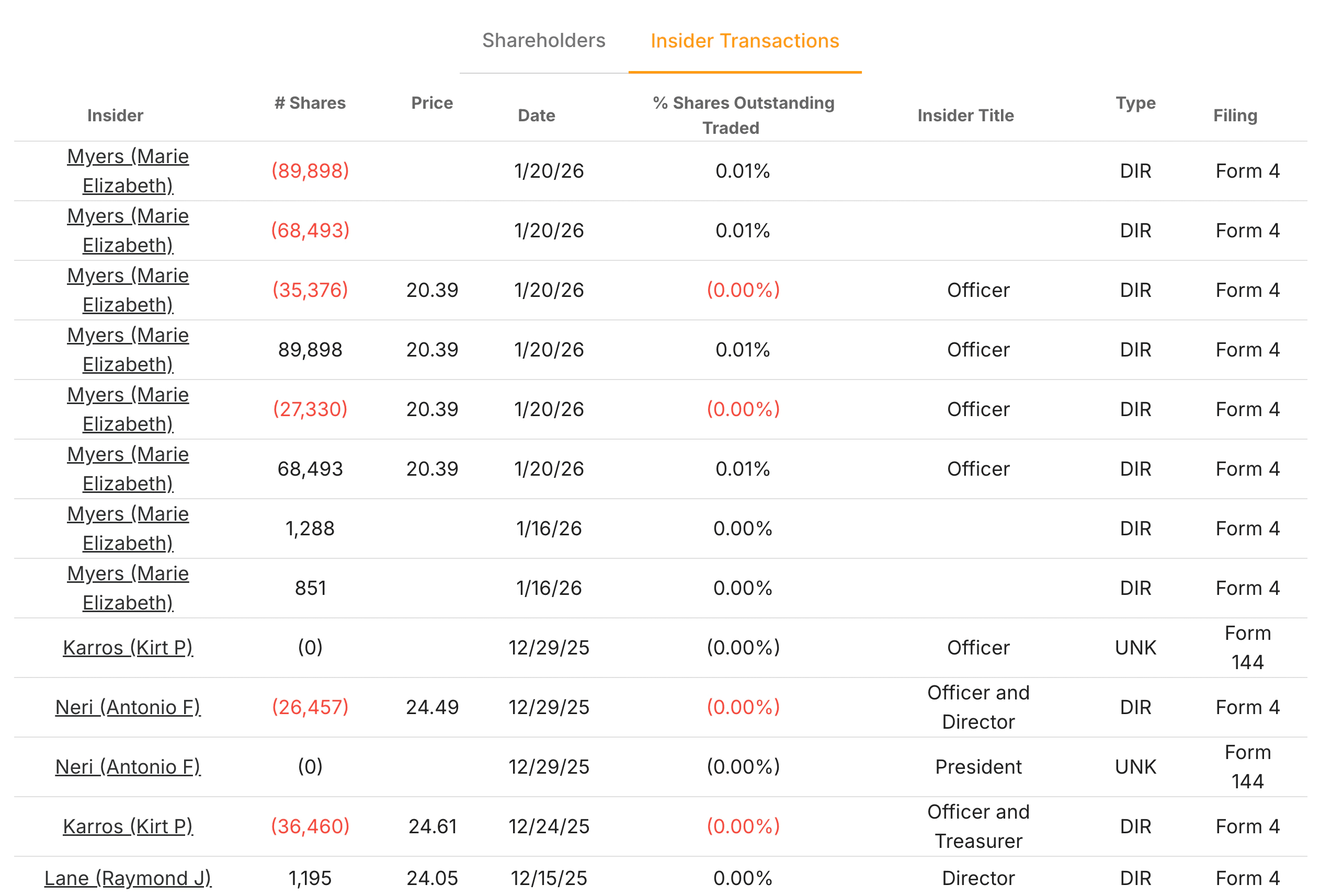
TIKR Tip: Use TIKR’s Ownership tab to review insider transactions and determine if leadership is personally buying shares alongside corporate repurchase activity.
Track insider transactions to quickly review company executive activity with TIKR (It’s free) >>>
The TIKR Takeaway
Capital allocation is a continuous process of choosing the highest-return use for every dollar of cash. The best management teams apply rigorous valuation discipline to every decision, whether it involves a new project, an acquisition, or a buyback. This discipline builds long-term value and protects the business from strategic drift.
Understanding these decisions helps you identify management teams that steward your capital. By tracking ROC, share count trends, and M&A history, you can separate the compounders from the value destroyers. TIKR provides the data to conduct this analysis before you commit your capital.
Find undervalued stocks in less than 60 seconds with TIKR’s new Valuation Model (It’s free) >>>
Value Any Stock in Under 60 Seconds with TIKR
With TIKR’s new Valuation Model tool, you can estimate a stock’s potential share price in under a minute.
All it takes is three simple inputs:
- Revenue Growth
- Operating Margins
- Exit P/E Multiple
If you’re not sure what to enter, TIKR automatically fills in each input using analysts’ consensus estimates, giving you a quick, reliable starting point.
From there, TIKR calculates the potential share price and total returns under Bull, Base, and Bear scenarios so you can quickly see whether a stock looks undervalued or overvalued.
See a stock’s true value in under 60 seconds (Free with TIKR) >>>
Looking for New Opportunities?
- Discover which stocks billionaire investors are purchasing, so you can follow the smart money.
- Analyze stocks in as little as 5 minutes with TIKR’s all-in-one, easy-to-use platform.
- The more rocks you overturn… the more opportunities you’ll uncover. Search 100K+ global stocks, global top investor holdings, and more with TIKR.
Disclaimer:
Please note that the articles on TIKR are not intended to serve as investment or financial advice from TIKR or our content team, nor are they recommendations to buy or sell any stocks. We create our content based on TIKR Terminal’s investment data and analysts’ estimates. Our analysis might not include recent company news or important updates. TIKR has no position in any stocks mentioned. Thank you for reading, and happy investing!


