Every stock eventually delivers bad news. Earnings miss estimates. Revenue growth slows. A key product fails. A competitor gains share. Management lowers guidance. The question facing investors is not whether bad news will arrive but how to respond when it does.
Selling on every setback means constantly locking in losses on positions that would have recovered. Holding through every decline means riding genuine deterioration all the way down.
The distinction between temporary and permanent problems is one of the most important judgments an investor makes. Temporary setbacks create buying opportunities because the market overreacts to short-term noise, pushing prices below intrinsic value.
Permanent impairments destroy value that will never return, making early exits the only rational response. The stock charts look identical in the moment. Only time reveals which situation you faced.
Find out what a stock’s really worth in under 60 seconds with TIKR’s new Valuation Model (It’s free) >>>
The difficulty is that temporary and permanent problems often feel the same when they are happening. Management always says the issues are temporary. Analysts always debate whether this time is different.
The stock price offers no guidance because it reflects the market’s uncertainty, not the underlying reality. You have to form your own view based on evidence that is inherently incomplete and ambiguous.
Fortunately, certain patterns help distinguish temporary setbacks from permanent damage. The nature of the problem, the company’s competitive position, the strength of its balance sheet, and management’s response all provide clues.
This guide explains how to evaluate bad news systematically and how to use TIKR to assess whether a company can recover from whatever has gone wrong.
The Nature of the Problem
The first question to ask is what exactly went wrong and whether it affects the company’s long-term earning power. Some problems damage current results without impairing the business’s ability to generate profits in the future. Others strike at the core of what makes the company valuable.
Operational issues like supply chain disruptions, factory outages, or temporary demand weakness typically fall into the temporary category. A manufacturer that loses a quarter of production due to a fire at a key facility will report terrible results, but the facility can be rebuilt, and production can be resumed. The stock might drop 20% on the news, creating an opportunity for investors who recognize that long-term earning power remains intact.
Competitive issues require more careful analysis. A company losing market share to a new entrant faces a different situation than one experiencing a one-time production problem. If the share loss reflects a genuine shift in customer preferences or a competitor with a sustainably better product, the damage may be permanent. If it reflects temporary factors like aggressive pricing that the competitor cannot maintain, the share might be recoverable.
Structural changes in the industry are the most dangerous because they alter the fundamental economics of the business, something IREN is learning over the last few quarters, as seen in the earnings transcript below. The company’s revenue is falling as it mines less bitcoin while shifting facilities from older bitcoin-focused machines to newer chips that can be used to support artificial intelligence initiatives.
Of course, IREN isn’t alone in this regard, as a newspaper facing declining print advertising is not experiencing a temporary setback. A retailer losing sales to e-commerce is facing a permanent shift in how consumers shop. These changes do not reverse. Companies can adapt, but the old business model is not coming back.
The test is whether the problem impairs the company’s competitive advantages. A temporary setback leaves the moat intact. A permanent impairment weakens or destroys it. A brand that suffers a product recall can recover its reputation over time. A company like IREN, which may be largely dependent on fluctuating revenue streams such as Bitcoin mining, may struggle to generate revenue regardless of how well it executes.
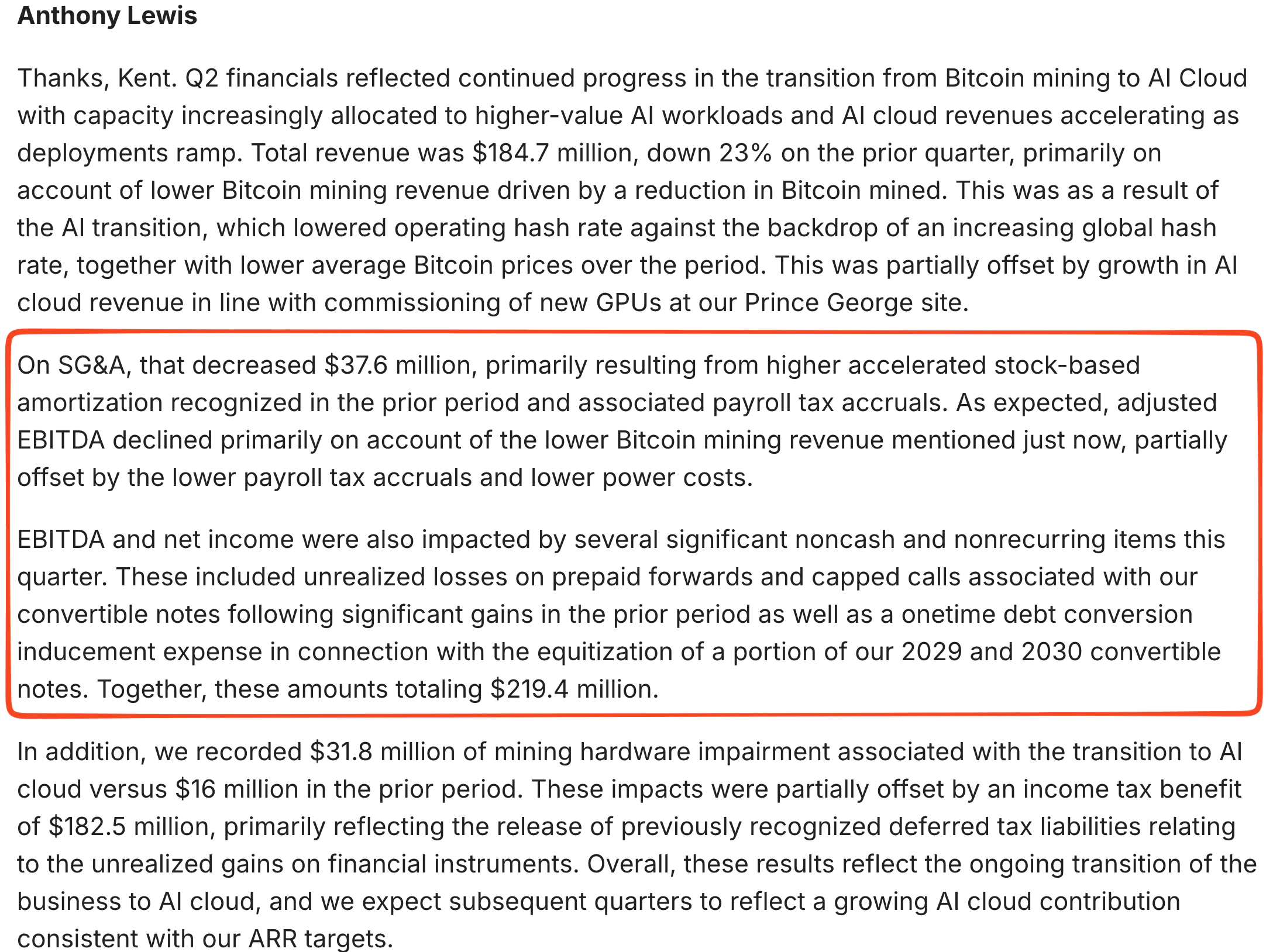
TIKR tip: Review earnings call transcripts in TIKR to understand exactly what went wrong. Management’s explanation of the problem, and analysts’ follow-up questions, often reveal whether the issue is operational or structural.
Read through earning call transcripts in under 60 seconds (Free with TIKR) >>>
Competitive Position After the Setback
A company’s ability to recover from bad news depends heavily on its competitive position. Businesses with strong moats can absorb temporary damage and return to their prior trajectory. Businesses with weak positions often find that setbacks expose vulnerabilities that competitors exploit, turning temporary problems into permanent decline.
Consider how the setback affects the company’s customer relationships. A business with high switching costs or strong brand loyalty will retain customers through temporary difficulties. Customers may complain about a service outage or product shortage, but they will not leave if the alternatives require significant effort to adopt. A business with commoditized offerings and low switching costs faces a different reality. Customers who leave during a disruption may never return, especially if competitors capitalize on the disruption to win them over.
Market share trends before and after the bad news reveal whether the competitive position is holding. A company that maintains or regains share after a setback has demonstrated that its advantages remain intact. One that continues to lose market share even after operational issues are resolved is facing competitive damage that may be permanent. The initial share loss may be temporary, but the failure to recover indicates a deeper issue.
Examine how competitors responded to the company’s difficulties. In concentrated industries, rational competitors may hold pricing steady and wait for the leader to recover, knowing that destructive competition hurts everyone. In fragmented industries with aggressive players, competitors may seize the opportunity to attack, cutting prices or ramping up marketing to permanently steal customers. The competitive response often determines whether temporary operational problems become lasting damage to market position.

TIKR tip: Use TIKR’s Competitors tab to compare revenue growth and margin trends with peers before and after the bad news. A company recovering its relative position is likely facing temporary issues. One falling further behind faces something more serious.
Compare any stock to its competitors in less than 60 seconds with TIKR (It’s free) >>>
Balance Sheet Strength
Financial strength determines whether a company can survive long enough for temporary problems to resolve. A business with ample cash, low debt, and strong ongoing cash generation can weather extended difficulties without taking actions that permanently impair value. A leveraged company facing the same operational setback might be forced into dilutive equity raises, asset sales, or restructuring that destroys value even if the core business eventually recovers.
Cash runway matters most during extended disruptions. Calculate how many months or years the company can operate at reduced profitability before running out of liquidity. A company with a two-year cash runway can weather a cyclical downturn or an extended recovery. One with six months of runway faces pressure to take desperate actions that often make things worse.
Debt maturities create cliffs that can turn temporary problems into existential crises. A company with manageable total debt but large near-term maturities might be unable to refinance if bad news has damaged its credit profile. Review when debt comes due and whether the company has the capacity to repay or refinance under stress conditions. Covenant compliance also matters because tripping covenants can accelerate repayment obligations or restrict operational flexibility.
Free cash flow generation during the difficult period indicates whether the business can self-fund its recovery. A company that remains free cash flow positive even with reduced earnings can invest in the turnaround without external capital. One that burns cash during the setback depends on external financing that may come with unfavorable terms or may not be available at all.
The irony is that companies with the strongest balance sheets often face the mildest stock price reactions to bad news because investors trust they will survive. Companies with weak balance sheets experience steeper declines because temporary operational problems heighten fears of permanent financial damage. Sometimes those fears are justified.
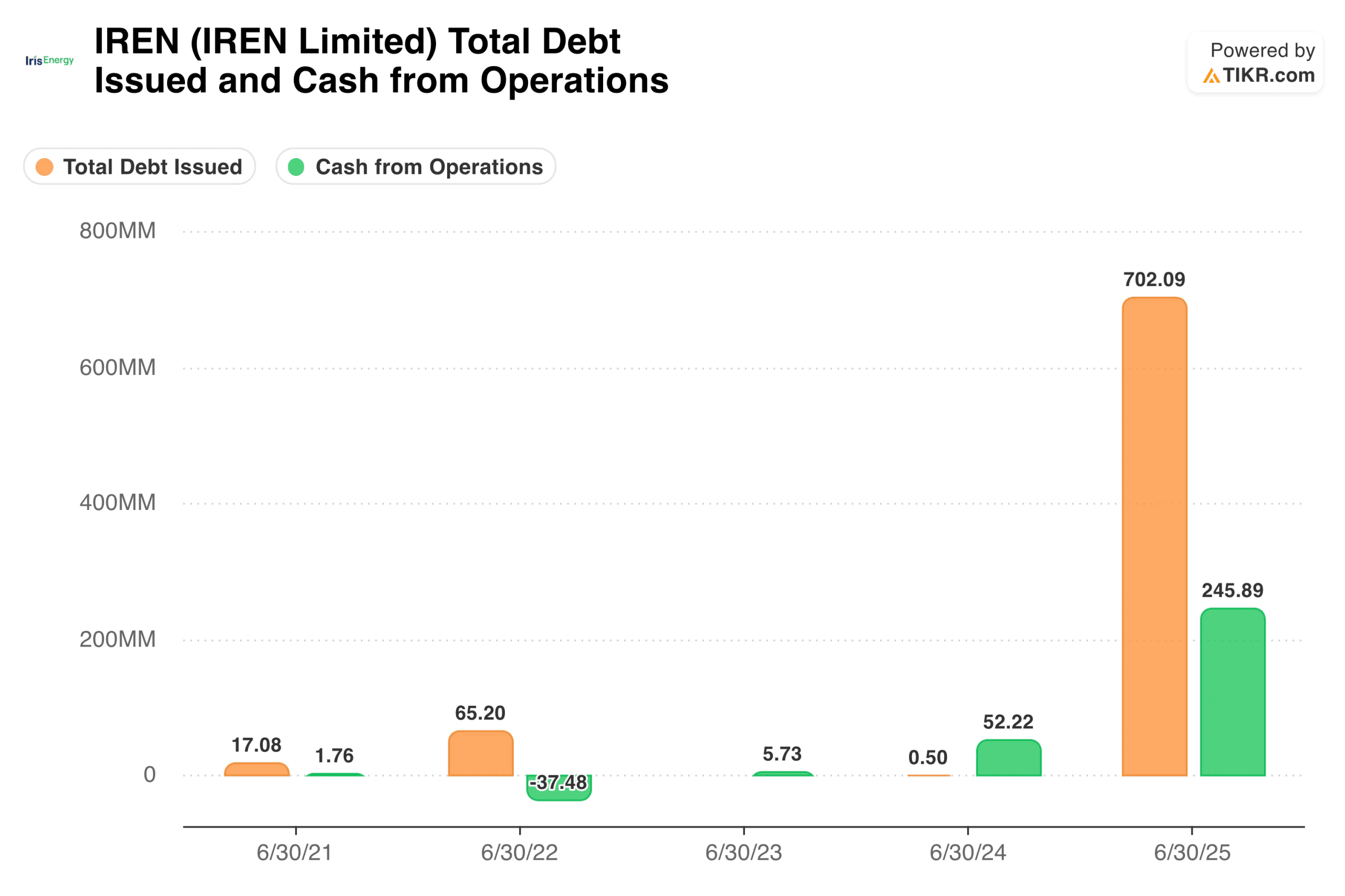
TIKR tip: Review the balance sheet in TIKR’s Detailed Financials for cash, total debt, and debt maturity schedules. Compare net debt to EBITDA to assess leverage, and examine free cash flow trends to see whether the company generates cash even under stress.
Build your own screener to find stocks with solid balance sheets to buy today (Free with TIKR) >>>
Management Response and Credibility
How management responds to bad news reveals much about whether they understand the problem and can fix it. Some leadership teams acknowledge issues honestly, explain their causes clearly, and outline credible plans to address them. Others minimize problems, blame external factors, and offer vague assurances that things will improve. The former response suggests temporary issues are being actively managed. The latter suggests either permanent problems or management incapable of fixing temporary ones.
Credibility matters because investors must decide whether to trust management’s assessment. A leadership team with a track record of honest communication and accurate forecasting has earned the benefit of the doubt. When they say a problem is temporary, you can weigh that assessment heavily. A team that has repeatedly overpromised and underdelivered has lost credibility. Their assurances mean little regardless of what they say.
The specificity of the response indicates whether management actually understands what went wrong. A detailed explanation of the problem’s causes, the steps being taken to address it, and the timeline for resolution suggests genuine understanding. Generic statements about “executing on our strategy” and “focusing on operational excellence” suggest either that management does not understand the problem or is unwilling to discuss it honestly. Neither interpretation is encouraging.
Watch for changes in incentive structures or capital allocation following bad news. A management team that cancels bonuses, cuts costs appropriately, and preserves cash is taking the situation seriously. One that maintains executive compensation while laying off employees or cutting investment is prioritizing insiders over the business. Similarly, management buying shares during the decline signals genuine confidence that the problems are temporary. Heavy selling signals the opposite.
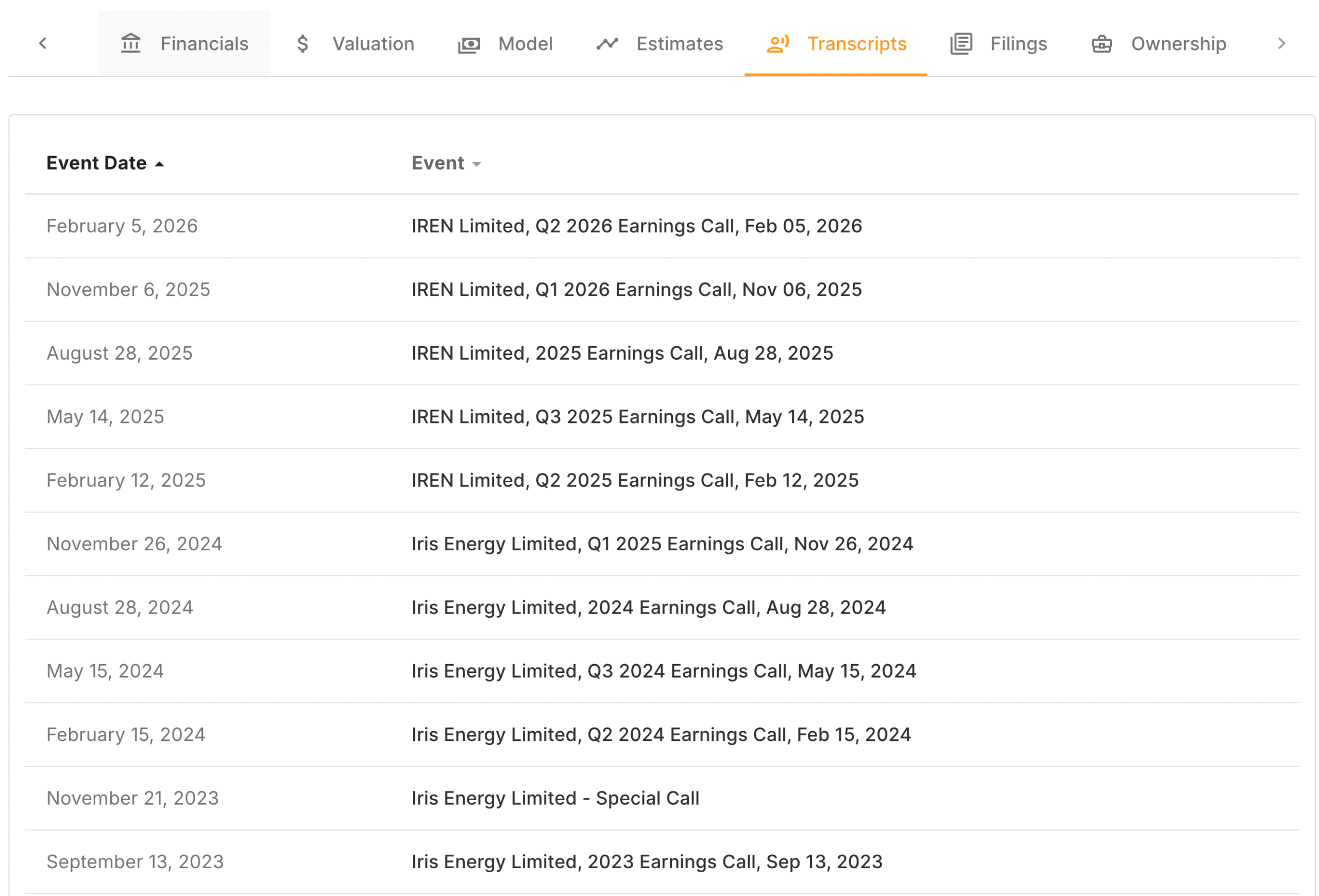
TIKR tip: Read multiple quarters of earnings transcripts in TIKR to assess management’s track record of communication. Compare what they said about previous challenges to what actually happened. Past accuracy is the best predictor of current credibility.
Historical Precedents and Recovery Patterns
Most problems are not unique. Companies in similar situations have faced comparable challenges before, and their experiences provide templates for what recovery might look like. Studying how past situations were resolved helps calibrate expectations for the current one.
Look for comparable situations in the company’s own history. Has this business recovered from similar setbacks before? A company that has navigated multiple industry downturns and emerged stronger each time has demonstrated resilience, suggesting that current problems are also temporary. One facing its first serious challenge provides less evidence either way.
Industry precedents reveal how long recovery typically takes and what factors determine success. When competitors faced similar problems, how long did it take them to stabilize? What distinguished the companies that recovered from those that did not? These patterns help set realistic expectations and identify the factors that will determine whether this company follows the recovery or the decline trajectory.
Economic cycle effects require particular attention because cyclical downturns eventually end even if they feel permanent while occurring. A capital goods manufacturer facing collapsing orders during a recession is experiencing a temporary problem that will reverse when the economy recovers, assuming the company survives long enough. Distinguishing cyclical weakness from structural decline is essential because the appropriate response is opposite: buy the cyclical trough, sell the structural decline.
The base rate for recovery matters more than the specific narrative. Most earnings misses are temporary. Most market share losses stabilize. Most operational problems get fixed. The market tends to overreact to bad news because negative stories are more compelling than statistical base rates. Knowing that most setbacks are temporary provides a useful counterweight to the fear that accompanies every decline.
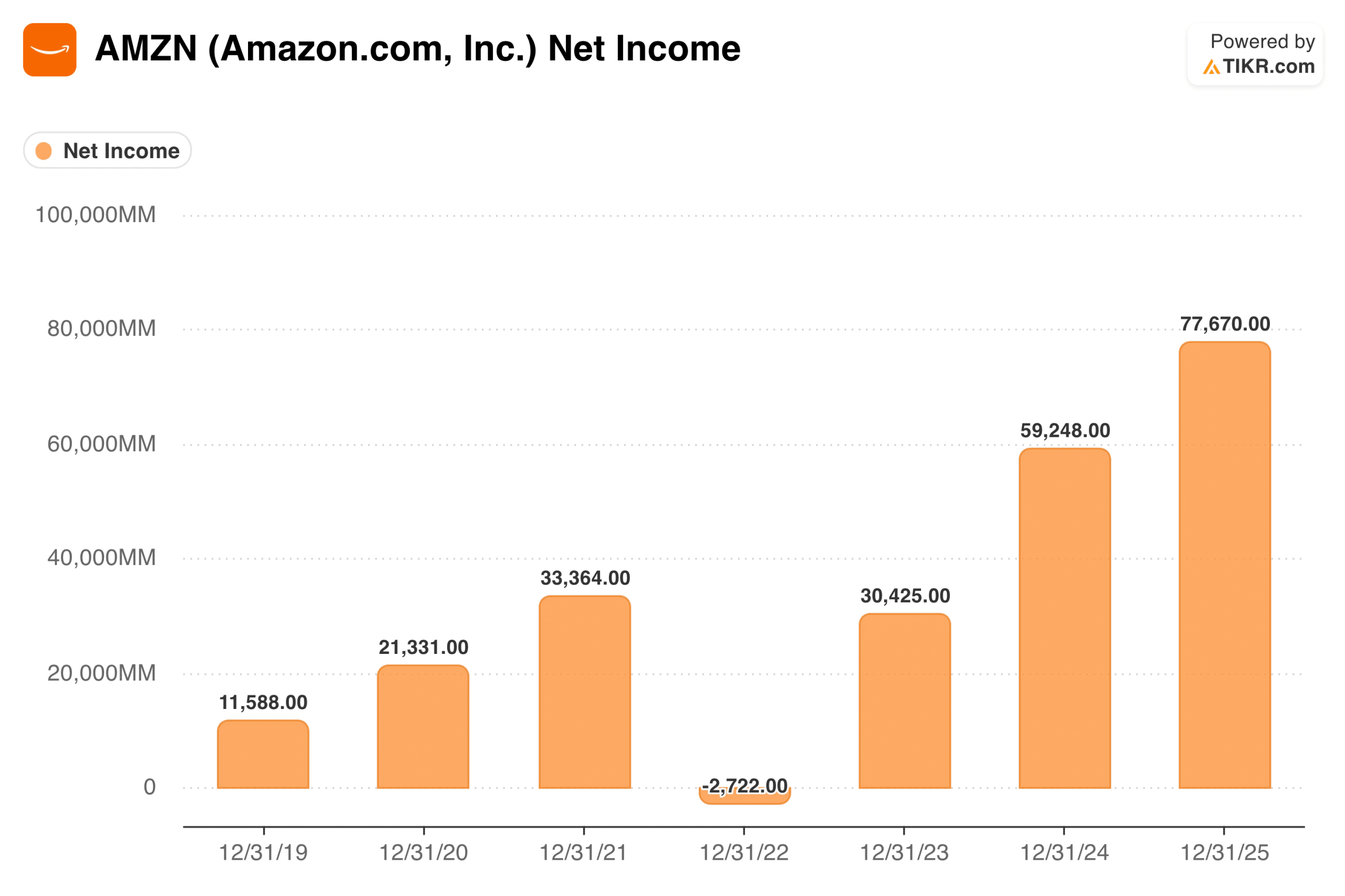
TIKR tip: Use TIKR’s Detailed Financials to review how the company performed during previous recessions or industry downturns. A business that remained profitable through 2008 or 2020 has demonstrated resilience that supports confidence in its ability to weather current difficulties.
Screen detailed financials for over 75,000 global stocks with TIKR (It’s free) >>>
Red Flags That Suggest Permanent Damage
Certain patterns indicate that bad news is more likely to reflect permanent impairment than temporary setback. Recognizing these red flags helps avoid the trap of holding through genuine deterioration while hoping for recovery that never comes.
Accelerating competitive losses suggest the moat is eroding. A company that loses a point of market share might recover it. One that has lost share for three consecutive years and shows no signs of stabilizing is facing permanent competitive damage. The trend matters more than any single period. Deterioration that continues despite management efforts to address it indicates structural problems that effort alone cannot solve.
Customer behavior changes can be irreversible. A retailer whose customers have shifted to online shopping will not see them return when store operations improve. A software company whose users have migrated to a competitor’s platform will not win them back by fixing bugs. When customer behavior shifts rather than temporarily pauses, the revenue often does not come back, regardless of operational improvements.
Technological disruption rarely reverses. A company whose core product has been displaced by a new technology faces permanent damage even if current operations remain profitable. The existing business may generate cash for years while declining gradually, but it will not return to growth. Recognizing disruption early allows for exit before the decline accelerates.
Repeated restructuring without improvement signals that the problems are deeper than management acknowledges. A company that has restructured multiple times and still faces the same issues is treating symptoms rather than causes. Each restructuring provides temporary relief while the underlying problems persist. If previous fixes did not work, the current fix probably will not either.
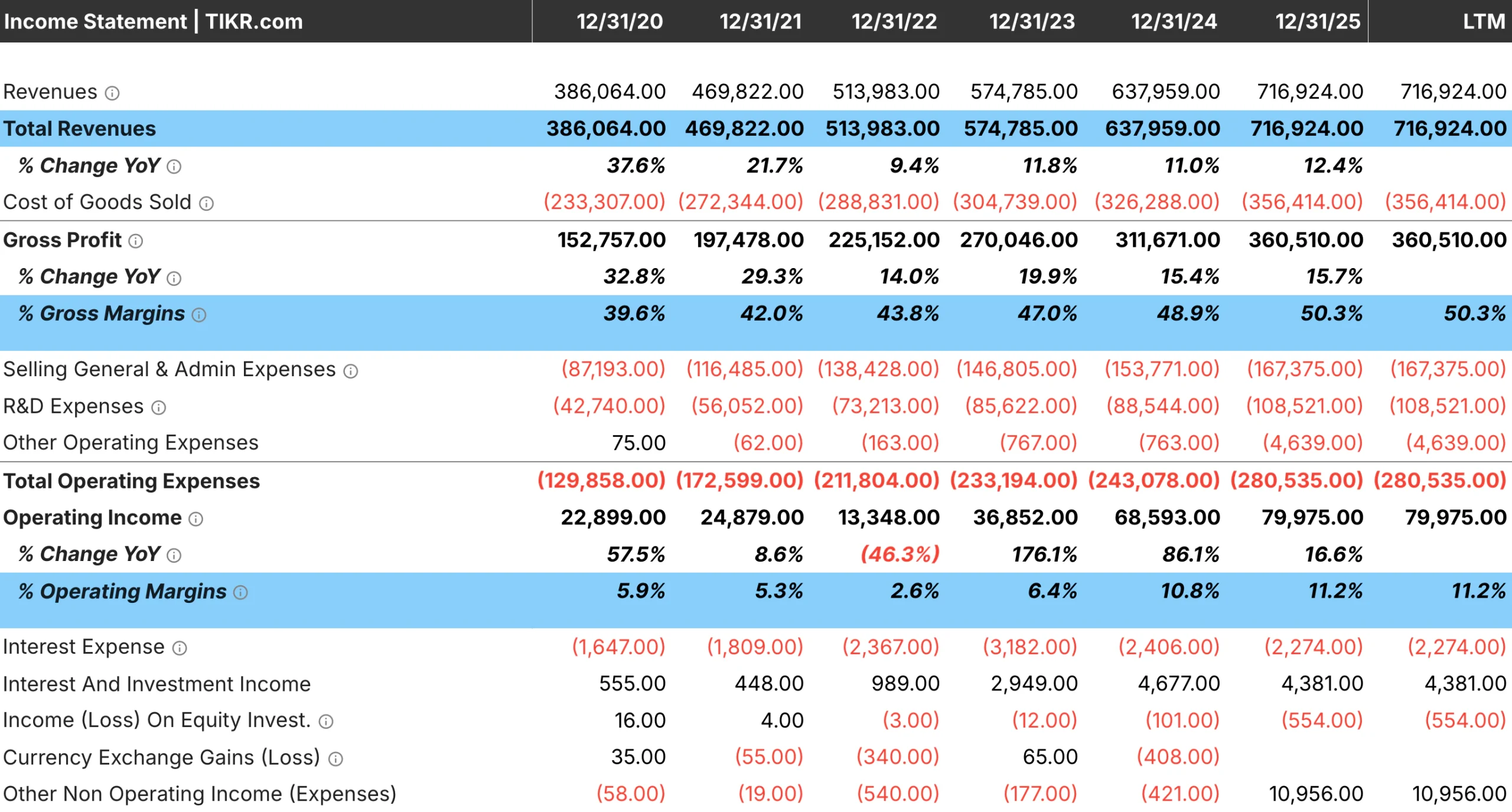
TIKR tip: Track revenue, margins, and market position over multiple years in TIKR to identify trends rather than single-period results. A single bad quarter is often temporary. Three years of deteriorating metrics are usually permanent.
Review historical income statements on TIKR for the top stocks in your portfolio (It’s free) >>>
The TIKR Takeaway
Distinguishing temporary setbacks from permanent damage is one of the most valuable skills an investor can develop. The ability to hold through recoverable difficulties while exiting genuine deterioration separates investors who compound wealth from those who lock in losses or ride declines to the bottom.
The analysis requires examining multiple dimensions: the nature of the problem and whether it impairs competitive advantages, the company’s market position and its resilience through the setback, balance sheet strength and the ability to survive extended difficulty, management’s response and credibility, historical precedents for recovery, and red flags that suggest permanent impairment.
TIKR provides the data to conduct this analysis systematically. Financial history reveals how the company has navigated past challenges. Competitor comparisons show whether relative position is holding or deteriorating. Balance sheet metrics indicate financial resilience. Earnings transcripts capture management’s explanation and response. Together, these tools help you make the judgment that matters most when bad news arrives: hold for recovery or sell before it gets worse.
Find undervalued stocks in less than 60 seconds with TIKR’s new Valuation Model (It’s free) >>>
Value Any Stock in Under 60 Seconds with TIKR
With TIKR’s new Valuation Model tool, you can estimate a stock’s potential share price in under a minute.
All it takes is three simple inputs:
- Revenue Growth
- Operating Margins
- Exit P/E Multiple
If you’re not sure what to enter, TIKR automatically fills in each input using analysts’ consensus estimates, giving you a quick, reliable starting point.
From there, TIKR calculates the potential share price and total returns under Bull, Base, and Bear scenarios so you can quickly see whether a stock looks undervalued or overvalued.
See a stock’s true value in under 60 seconds (Free with TIKR) >>>
Looking for New Opportunities?
- Discover which stocks billionaire investors are purchasing, so you can follow the smart money.
- Analyze stocks in as little as 5 minutes with TIKR’s all-in-one, easy-to-use platform.
- The more rocks you overturn… the more opportunities you’ll uncover. Search 100K+ global stocks, global top investor holdings, and more with TIKR.
Disclaimer:
Please note that the articles on TIKR are not intended to serve as investment or financial advice from TIKR or our content team, nor are they recommendations to buy or sell any stocks. We create our content based on TIKR Terminal’s investment data and analysts’ estimates. Our analysis might not include recent company news or important updates. TIKR has no position in any stocks mentioned. Thank you for reading, and happy investing!