

Buying a stock is the easy part. You do the research, build conviction, and make the purchase. Selling is far more difficult. There is no earnings report that tells you when to exit. No analyst rings a bell at the top. The decision falls entirely on you.
Most investors either sell too early or hold too long. They panic during drawdowns and lock in losses that would have recovered. Or they fall in love with a position and ignore deteriorating fundamentals until the damage is severe. Both mistakes stem from the same problem: a lack of clear criteria for when to sell.
The best investors define their sell discipline before they buy. They know what conditions would cause them to exit, and they monitor those conditions systematically. This removes emotion from the process and transforms selling from a reactive decision into a logical one.
This guide outlines a framework for knowing when to sell, the warning signs that fundamentals are deteriorating, and how to use TIKR to monitor your holdings so you can act before problems compound.
The Three Valid Reasons to Sell
Selling decisions should be grounded in logic, not emotion. There are three fundamental reasons to exit a position, and each relates to your original investment thesis.
The thesis is broken. Every investment rests on assumptions about the business. Maybe you expected revenue to grow at 15% annually, or margins to expand as the company scaled, or a new product to gain traction. When those assumptions prove wrong, the thesis is broken. This is the clearest reason to sell because the foundation for owning the stock no longer exists.
A broken thesis is different from a temporary setback. One weak quarter does not invalidate a long-term investment case. But sustained deterioration in the metrics that matter, such as slowing growth, compressing margins, or declining returns on capital, signals that something fundamental has changed.
Valuation has become extreme. Even wonderful businesses can become poor investments at the wrong price. If a stock you own has risen to the point where future returns look unattractive, reducing or exiting the position may be prudent. This does not mean selling every time a stock reaches a new high. It means recognizing when the market is pricing in unrealistic growth assumptions.
Selling based on valuation requires discipline because it often means parting with your best performers. But the math is unforgiving. A stock trading at 50x earnings needs to grow into that multiple, and if growth disappoints, the downside can be severe.
A better opportunity exists. Capital is finite. Every dollar invested in one stock is a dollar not invested elsewhere. If you find a significantly better opportunity, reallocating capital from a weaker holding makes sense. This is not about chasing performance. It is about constantly optimizing your portfolio for the best risk-adjusted returns.
The bar for switching should be high. Transaction costs, taxes, and the risk of being wrong twice all argue for patience. But if a new idea is clearly superior, holding an inferior position out of inertia is a mistake.
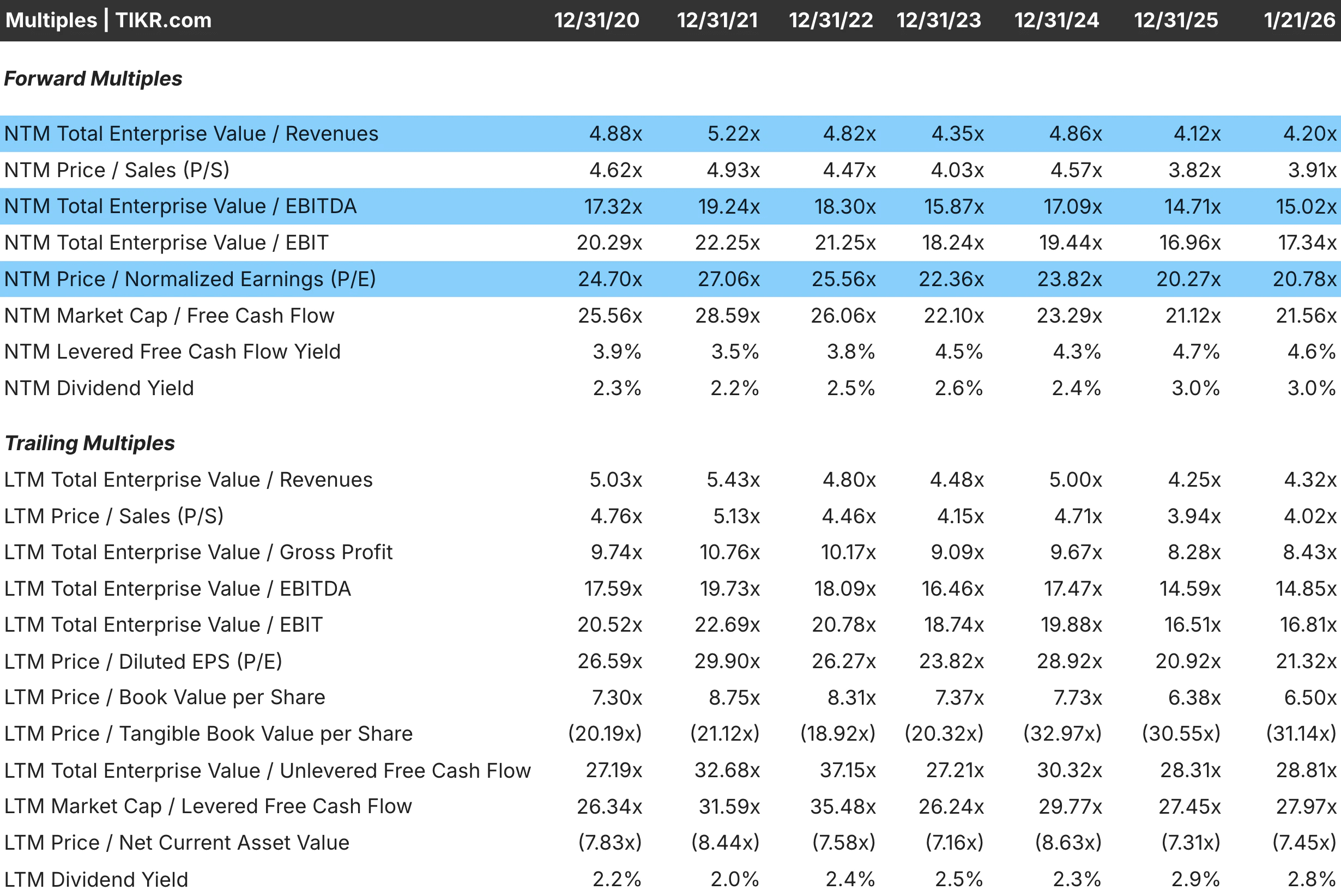
TIKR tip: Use TIKR’s Valuation tab to compare your holdings against their historical multiples. If a stock trades at a significant premium to its five-year average without a corresponding improvement in fundamentals, it may be time to reassess.
Estimate a company’s fair value instantly (Free with TIKR) >>>
Warning Signs That Fundamentals Are Deteriorating
Selling before problems become obvious requires monitoring the right signals. The financial statements often reveal troubled quarters before the stock price reflects it.
Declining returns on capital. A company’s return on capital measures how efficiently it generates profits from its investments. When ROC falls over multiple periods, it suggests the competitive advantage is weakening. Competitors may be catching up, pricing power may be eroding, or management may be deploying capital poorly.
Compressing margins. Gross and operating margins that shrink over time indicate the business is losing its edge. This could reflect increased competition, rising input costs that cannot be passed to customers, or a shift toward lower-margin products. Occasional margin pressure is normal. Sustained compression is a warning sign.
Slowing revenue growth. Growth deceleration is expected as companies mature, but the rate of slowdown matters. A company that drops from 20% growth to 15% is different from one that drops from 15% to 5%. Sharp declines in growth often precede multiple compressions, creating a double hit to the stock price.
Rising debt without corresponding returns. Leverage can amplify returns when used wisely, but debt that grows faster than operating income is dangerous. Watch the ratio of net debt to EBITDA over time. A company that consistently takes on more debt without improving profitability is increasing risk without reward.
Insider selling. Executives sell stock for many reasons, including diversification, taxes, and personal expenses. But heavy, sustained selling from multiple insiders can signal that those closest to the business see trouble ahead. This is particularly meaningful when insiders who rarely sell suddenly begin reducing their stakes.
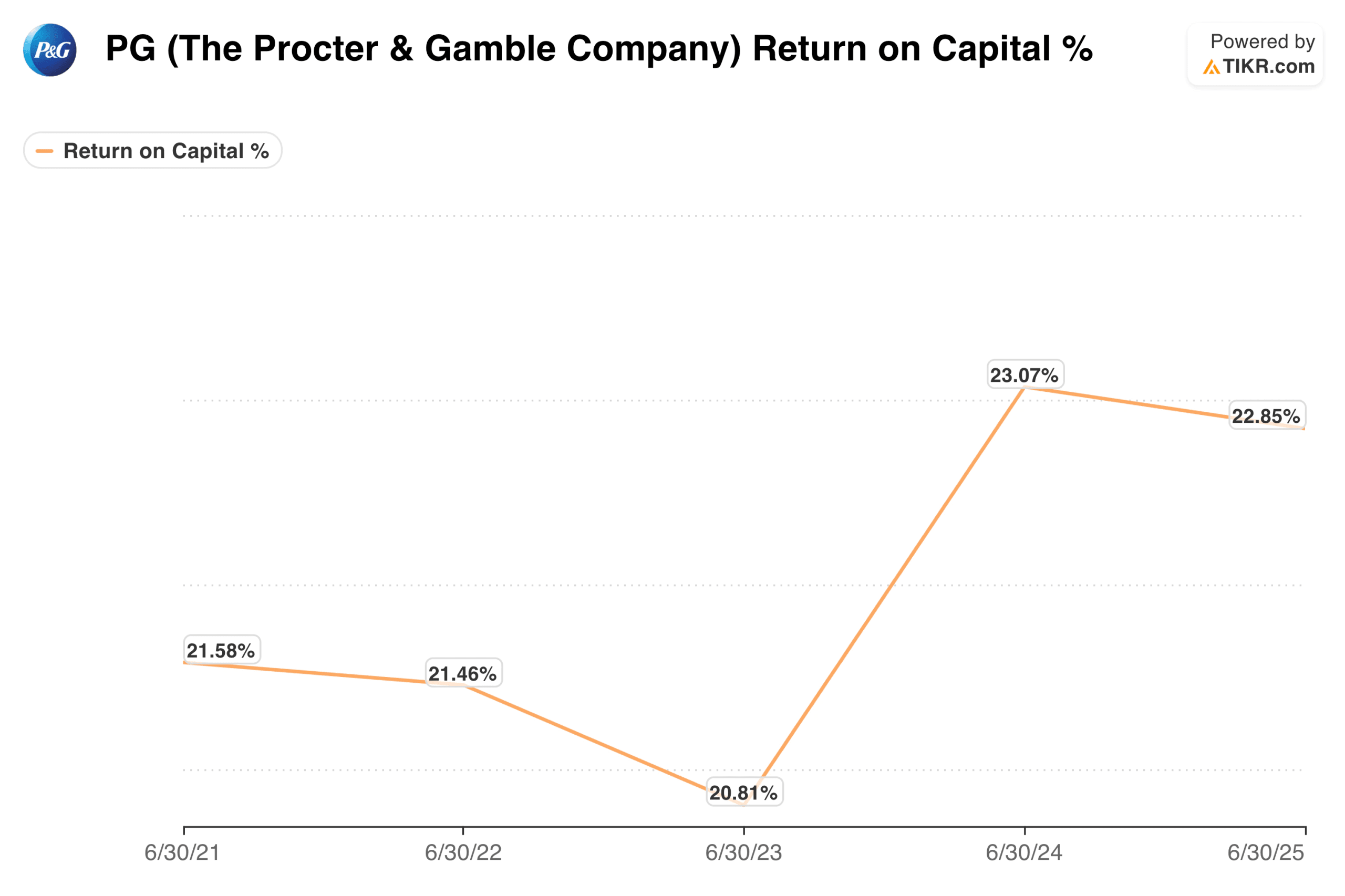
TIKR tip: TIKR’s Detailed Financials tab lets you track margins, returns on capital, and debt levels over multiple years. The Ownership tab shows insider transactions. Review these regularly to catch deterioration early in your holdings.
Value any stock in less than 60 seconds with TIKR’s new Valuation Model (It’s free) >>>
When Not to Sell
Just as important as knowing when to sell is knowing when to hold. Many investors sell for the wrong reasons and later regret it.
Price declines alone are not a reason to sell. Stocks fluctuate. A 20% drawdown in a high-quality business is often an opportunity to add, not a signal to exit. If the thesis remains intact and the fundamentals are unchanged, price weakness reflects market sentiment, not business reality.
Short-term earnings misses do not invalidate a long-term thesis. Quarterly results are noisy. A company can miss estimates for reasons unrelated to its competitive position. What matters is the trend over the years, not the result in any single quarter.
Analyst downgrades and negative headlines are not automatic sell signals. Wall Street analysts are often slow to recognize both opportunities and risks. Media coverage tends toward sensationalism. Neither should override your own analysis of the business.
You should not sell simply because a stock has risen significantly. Winners tend to keep winning. Selling a high-quality compounder just because it has doubled means missing the next double. Let your thesis and valuation drive the decision, not arbitrary price targets.
Run a competitor analysis on TIKR for the top stocks in your portfolio (It’s free) >>>
The common thread is that selling should be driven by changes in the business or its valuation, not by price movements or external noise. Reacting to volatility is how investors turn temporary drawdowns into permanent losses.
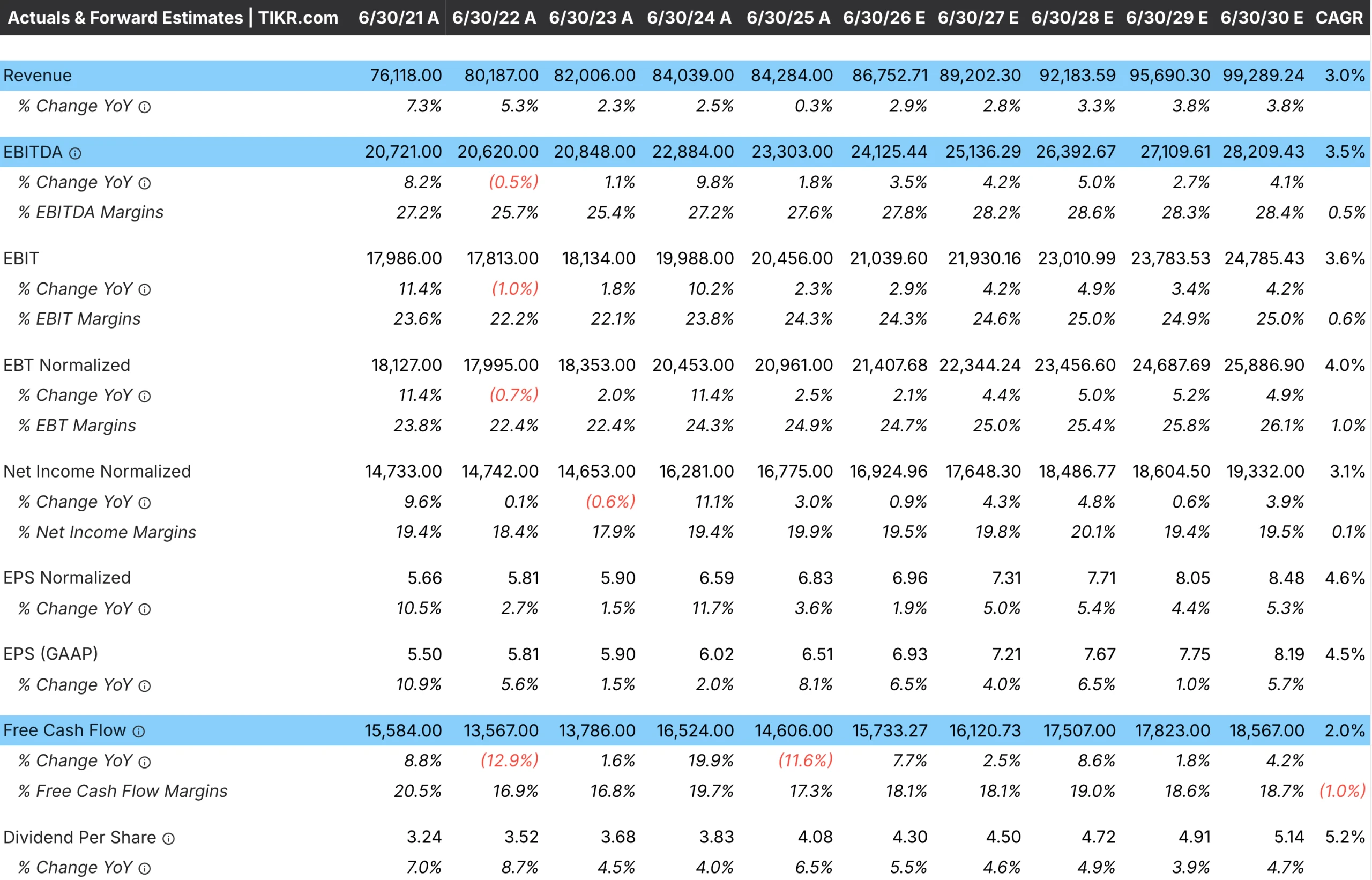
TIKR tip: When a stock in your portfolio drops sharply, use TIKR to review the Estimates tab and see whether analysts have revised their projections. If estimates are unchanged, the decline may be sentiment-driven rather than fundamental.
Building a Sell Discipline
The best time to define your sell criteria is before you buy. Writing down the conditions that would cause you to exit forces clarity and creates accountability.
A simple framework includes three questions:
- What assumptions underpin my thesis, and how will I know if they are wrong?
- At what valuation would I consider the stock fully valued or overvalued?
- What alternative would I need to find to justify selling this position?
Revisit these questions periodically as the investment progresses. Circumstances change, and your sell criteria should evolve with new information. But having a framework prevents emotional decision-making when markets get volatile.
Some investors set explicit rules, such as selling if revenue growth falls below a certain threshold for two consecutive years, or if the P/E exceeds a specific multiple. Others prefer a more qualitative approach, regularly asking whether they would buy the stock today at the current price. Either method works as long as it is applied consistently.
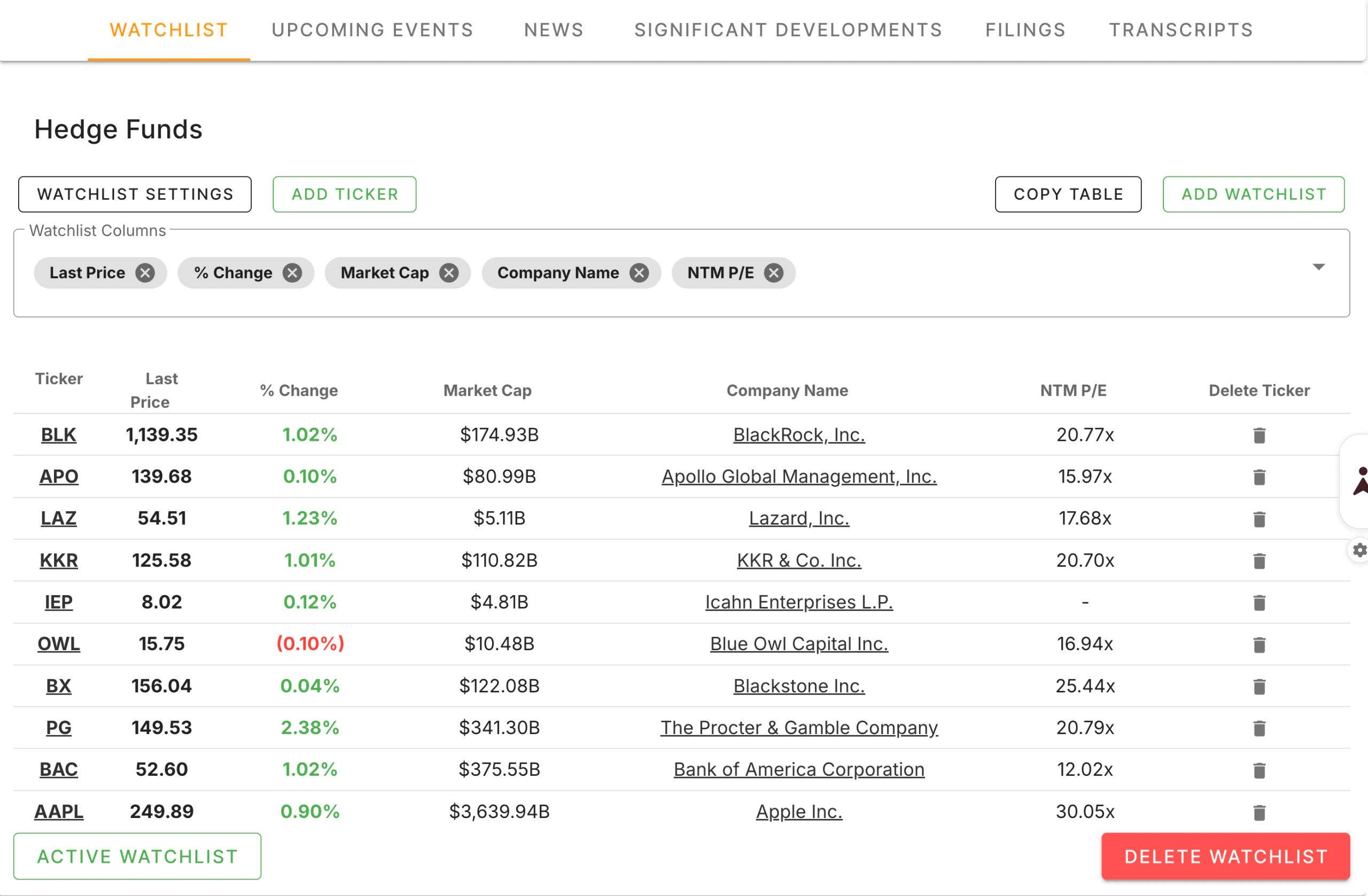
TIKR tip: Use TIKR’s watchlist feature to add notes to each holding. Document your original thesis and selection criteria so you can reference them when making future decisions.
Get the most up-to-date financial snapshots of thousands of stocks with TIKR (It’s free) >>>
The TIKR Takeaway
Knowing when to sell is one of the most difficult skills in investing. The decision requires separating emotion from analysis and distinguishing between temporary noise and fundamental deterioration.
The valid reasons to sell are straightforward: the thesis is broken, valuation has become extreme, or a better opportunity exists. Everything else is usually noise. Monitoring the right metrics, such as returns on capital, margins, growth rates, and insider activity, helps you identify problems before they become obvious to the market.
TIKR makes this process systematic by consolidating historical financials, valuation data, analyst estimates, and ownership information into a single platform. You can track the health of your holdings over time and make informed decisions based on evidence rather than emotion.
The goal is not to trade frequently. It is to hold great businesses for as long as they remain great, and to exit when the facts change. A clear sell discipline turns one of investing’s hardest decisions into a logical process.
Look up stocks in hedge fund portfolios in less than 60 seconds with TIKR (It’s free) >>>
Value Any Stock in Under 60 Seconds with TIKR
With TIKR’s new Valuation Model tool, you can estimate a stock’s potential share price in under a minute.
All it takes is three simple inputs:
- Revenue Growth
- Operating Margins
- Exit P/E Multiple
If you’re not sure what to enter, TIKR automatically fills in each input using analysts’ consensus estimates, giving you a quick, reliable starting point.
From there, TIKR calculates the potential share price and total returns under Bull, Base, and Bear scenarios so you can quickly see whether a stock looks undervalued or overvalued.
See a stock’s true value in under 60 seconds (Free with TIKR) >>>
Looking for New Opportunities?
- Discover which stocks billionaire investors are purchasing, so you can follow the smart money.
- Analyze stocks in as little as 5 minutes with TIKR’s all-in-one, easy-to-use platform.
- The more rocks you overturn… the more opportunities you’ll uncover. Search 100K+ global stocks, global top investor holdings, and more with TIKR.
Disclaimer:
Please note that the articles on TIKR are not intended to serve as investment or financial advice from TIKR or our content team, nor are they recommendations to buy or sell any stocks. We create our content based on TIKR Terminal’s investment data and analysts’ estimates. Our analysis might not include recent company news or important updates. TIKR has no position in any stocks mentioned. Thank you for reading, and happy investing!


