Key Stats for Western Digital Stock
- Today’s Performance: -8%
- 52-Week Range: $64 to $800
- Valuation Model Target Price: Around $600
- Implied Upside: 4%
Analyze your favorite stocks like Western Digital with TIKR (It’s free) >>>
What Happened?
Western Digital Corporation stock fell about 8% today, trading near $577 per share as investors took profits in memory and storage stocks after a sharp AI-driven rally. The pullback came as the broader memory trade cooled, with Western Digital pressured alongside Micron, SanDisk, and Seagate as investors questioned whether recent gains had already priced in much of the AI data-center storage recovery. Barron’s reported that Western Digital fell about 9%, while SanDisk and Micron also sold off during the broader memory pullback.
The stock moved lower because investors rotated out of high-growth memory and storage names after Samsung’s latest earnings update failed to calm concerns that the AI memory rally had become stretched. Reuters reported that memory chipmakers drove losses, with Micron down about 5% and SanDisk down about 7%, while the PHLX chip index dropped about 5%. That makes today’s decline look more like sector-wide profit-taking than a company-specific breakdown, especially as recent analyst actions remained positive. Bank of America recently raised its Western Digital price target to around $730 from around $610, Morgan Stanley lifted its target to $650 from around $490, and Barclays raised its target to around $620 from around $450 while keeping an Overweight rating, showing that Wall Street still sees support from data-center storage demand and stronger pricing.
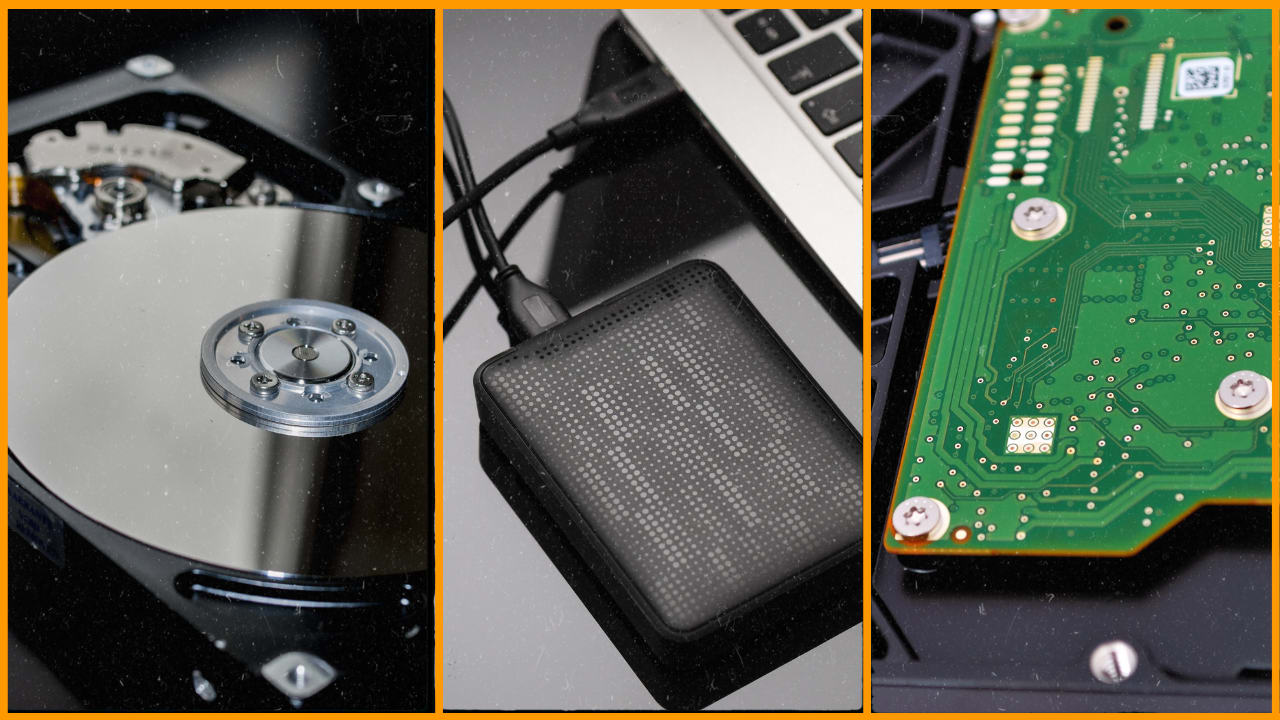
At Western Digital’s June 3 Evercore Global TMT Conference presentation, CFO Kris Sennesael said the company expects exabyte demand to grow more than 25% annually over the next 3 to 5 years, driven by cloud storage, AI training, inference, and emerging physical AI workloads. He said roughly 80% of hyperscaler data is stored on HDDs, the high-capacity hard drives used to store massive amounts of cloud and AI data, while Western Digital shipped an average drive capacity of about 23 terabytes in the March quarter and is already shipping 32-terabyte drives in high volume.
The peer backdrop shows why investors are treating Western Digital as part of a broader AI storage cycle rather than a standalone turnaround. Seagate, Western Digital’s closest hard-drive competitor, recently reported about $3 billion of quarterly revenue and a 47% non-GAAP gross margin, showing that higher-capacity storage demand is lifting the wider HDD market. Sennesael also said Western Digital’s average ASP per terabyte rose 9% year over year, gross margins have moved above 50%, incremental gross margins are running around 70% to 75%, and free cash flow margin is approaching 30%, while adding there is “no hesitation” in buying back stock almost every day. Today’s selloff shows investors are questioning how much of that recovery is already priced in, but the 2026 setup still depends on AI storage demand, better pricing, and whether margins can stay near these higher levels.

Value Western Digital instantly (Free with TIKR) >>>
Is Western Digital Fairly Valued?
Under valuation assumptions, the stock is modeled using:
- Revenue Growth: Around 35%
- Operating Margins: Around 43%
- Exit P/E Multiple: 17x
Western Digital’s revenue outlook has improved sharply as AI data-center demand increases the need for high-capacity hard drives, enterprise SSDs, and cloud infrastructure hardware. HDDs remain important because they store massive amounts of cloud and AI data at scale, while enterprise SSDs support faster storage needs inside data centers.
Analyst estimates now point to a major recovery, with forward 2-year revenue growth around 37%, EBITDA growth around 79%, and EPS growth around 93%, reflecting the operating leverage that can come when pricing and utilization improve together.

See analysts’ growth forecasts and price targets for Western Digital (It’s free) >>>
The margin chart helps explain why the stock has become more sensitive to expectations. Western Digital’s operating income swung from a loss in FY2023 to more than $2 billion in FY2025, while operating margins recovered to about 22%, showing how better pricing and higher-capacity drives are flowing through to profitability.
Based on these inputs, the model estimates a target price of around $600, implying about 4% upside over the next 2 years, suggesting Western Digital looks fairly valued at current prices rather than clearly undervalued.
Results over the next 12 months depend on whether AI storage demand stays strong enough to support pricing, margins, and earnings growth. Cloud customers expanding AI infrastructure could keep demand elevated for high-capacity drives and enterprise storage products. Long-term customer agreements can improve visibility because many customers now place purchase orders about 52 weeks in advance, giving Western Digital a clearer view of demand and supply planning. Higher-capacity drives remain the biggest business lever, since they can raise price per terabyte for customers while lowering Western Digital’s cost per terabyte over time.
At current levels, Western Digital looks fairly valued, with future upside tied to continued AI storage demand, disciplined supply, and proof that the earnings recovery can last beyond the current cycle.
How Much Upside Does WDC Stock Have From Here?
Investors can estimate Western Digital’s potential share price, or what any stock could be worth, in under a minute using TIKR’s New Valuation Model tool.
All it takes is three simple inputs:
- Revenue Growth
- Operating Margins
- Exit P/E Multiple
From there, TIKR calculates the potential share price and total returns under Bull, Base, and Bear scenarios so you can quickly see whether a stock looks undervalued or overvalued.
If you’re not sure what to enter, TIKR automatically fills in each input using analysts’ consensus estimates, giving you a quick, reliable starting point.
Value Western Digital in under 60 seconds with TIKR (It’s free) >>>