Key Takeaways
- Western Digital fell 7.5% on Monday, Nov. 2, after Kioxia, Japan’s largest memory chipmaker, forecast December-quarter operating profit below analysts’ estimates.
- Western Digital now sells hard drives, mostly to cloud companies, so a flash maker’s outlook has little to do with its business.
- Analysts expect Western Digital’s normalized EPS to more than double in fiscal 2027, and its gross margin rose from 37.7% to 57.8% over the last eight quarters.
- Micron and SanDisk, which both sell flash, have far more riding on Kioxia’s outlook than Western Digital does.
Western Digital (WDC) fell 7.5% on Monday, Nov. 2, after a flash memory maker turned cautious.
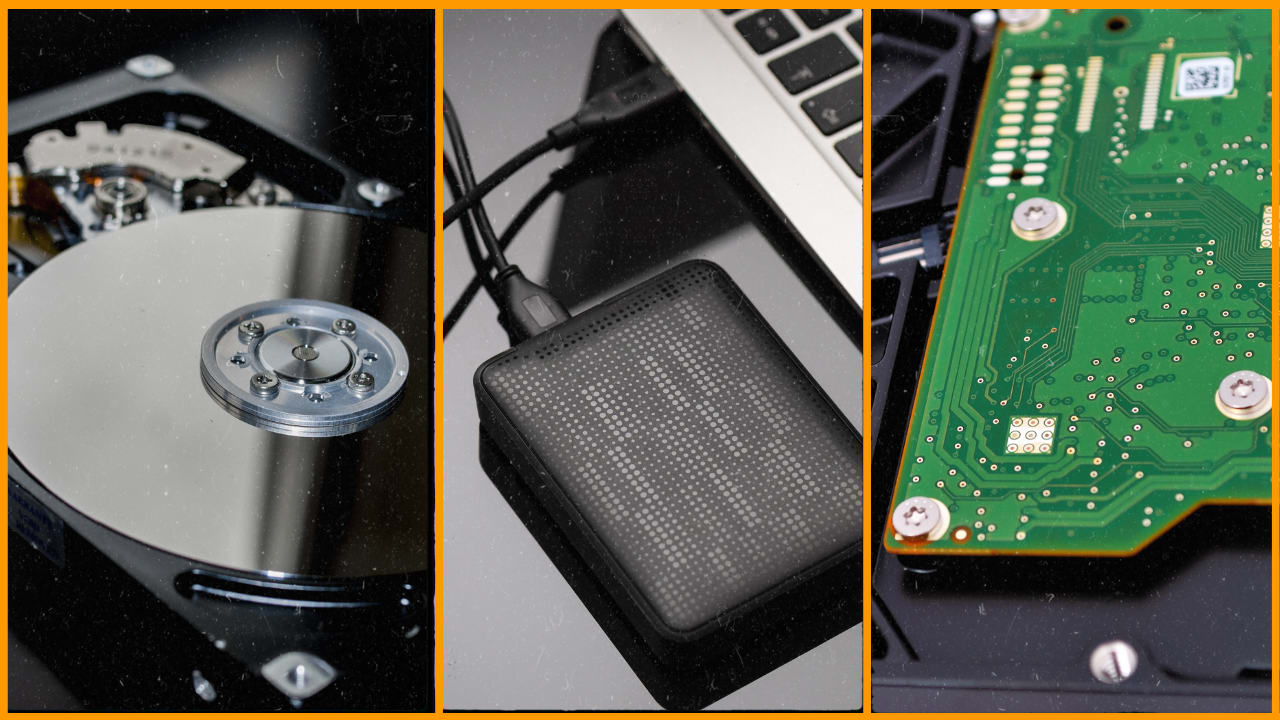
The trouble is, Western Digital doesn’t make flash anymore.
Kioxia’s outlook also pulled Micron Technology (MU) down 5.8% and SanDisk (SNDK) down 6.6%. Those two do sell the NAND flash Kioxia makes. Western Digital spun its flash business off as SanDisk in February 2025 and swapped away its last SanDisk shares by July 2026. Today it sells hard drives, mostly to the cloud companies building out AI data centers.
Kioxia’s problem is timing
After the Tokyo close on Friday, Oct. 30, Kioxia forecast 2 trillion yen of operating profit for the December quarter. That’s barely above the 1.99 trillion yen it earned in the September quarter, and below analysts’ estimates. Western Digital fell 7.4% that Friday, and the selling resumed Monday as Kioxia’s own shares dropped as much as 17% in Tokyo.
Kioxia blamed shipment timing for most of it: some orders came early, in the September quarter, and others slipped to March. Chief Financial Officer Yoshihiko Kawamura said he expects rapid growth to return in the March quarter. He also said AI data center demand remains robust and that Kioxia has already sold all the output it plans to make next year.
Kioxia and Western Digital sell to the same cloud giants, so if those customers were cutting storage budgets, hard drive orders would suffer too. A flash maker that’s sold out for next year is strong evidence that they aren’t.
TIKR tracks 26 analysts on Western Digital. How many say “Buy”?
See the full breakdown of Buy, Hold, and Sell ratings on Western Digital, along with Wall Street’s revenue and earnings estimates, all in one place. More than 500,000 investors use TIKR to research stocks like this one. See Western Digital’s Analyst Ratings
The hard drive business is booming
And Western Digital just had a huge quarter. On Oct. 22, it reported fiscal first-quarter revenue of $4.38 billion. That was up 55% from a year earlier and above the $4.0 billion to $4.2 billion range management had guided to. Cloud customers made up 88% of it. Management guided to year-over-year revenue growth of 66% to 72% this quarter, and CEO Irving Tan said Western Digital has visibility into demand from its top seven customers out to 2030 and 2031.
Analysts expect that to show up in earnings. Consensus normalized EPS climbs from $10.22 in fiscal 2026 to $24.72 in fiscal 2027 (the year to June 2027) and $40.40 in fiscal 2028.

Analysts set those estimates after the October report, and nothing in Kioxia’s forecast gives them a reason to cut.
Western Digital’s gross margin has widened every quarter for two years, from 37.7% in the quarter to December 2024 to 57.8% in the quarter to October 2026.

Management says customers are paying more per terabyte for denser drives. It’s also growing by fitting more data onto each drive, and it says its capital spending goes to heads, media and factory automation rather than to adding unit capacity. Next up are its first heat-assisted recording drives, which hold even more data per drive. Volume shipments are due to start in the first half of 2027.
Cramer’s pick has more flash in it
Jim Cramer would still rather own Micron. On Monday’s Mad Money, a caller said he’d bought “a ton” of Western Digital to hold for two to three years. Cramer answered: “I think it’s a good company, but I think Micron’s a better company.” He added that Micron has “a lot more technology.”
Maybe so. But Micron is also more exposed to Kioxia’s problem. NAND flash brought in $31.8 billion of Micron’s $133.2 billion of revenue in fiscal 2026, and DRAM made up nearly all the rest. Micron forecast fiscal first-quarter revenue of $61.5 billion, plus or minus $1.5 billion. Its expected Dec. 16 report will show whether Kioxia’s timing explanation also holds for Micron’s flash sales.
SanDisk is even more exposed. It makes its flash wafers with Kioxia through their Flash Ventures joint venture, so if Kioxia’s delayed orders arrive in March as it promised, SanDisk should see them too. Western Digital no longer owns any of it.
Sold for someone else’s problem
The market sold Western Digital on Monday for a problem it doesn’t have. Seagate, the other big hard drive maker, fell nearly 8% the same day, so investors sold storage as one trade rather than separating flash from disks. Western Digital’s earnings now depend on what cloud companies pay for hard drives, and every figure it gave in October showed them paying more.
At Monday’s close, the stock traded at under 12x forward earnings. That’s cheap for a company that analysts expect to more than double its EPS this fiscal year. Even TD Cowen, which kept its Buy rating but cut its target to $430 from $540 on Oct. 23, one of the lowest targets on the Street, sees 27% upside from Monday’s $338.59 close.
Of course, cloud budgets can turn quickly, and Western Digital’s fiscal second-quarter report, expected in January, is where a slowdown would show up first. Revenue below the $5.0 billion low end of its guide would mean Kioxia’s caution was about more than timing.
So what is Western Digital stock actually worth?
TIKR lets you forecast the future price of any stock in less than a minute. Just enter a few assumptions into TIKR’s valuation model and see what Western Digital could be worth. Start from Wall Street consensus estimates, or adjust the inputs to reflect your own view of the business. It’s free to use.
Value Western Digital for free
Disclaimer:
Please note that the articles on TIKR are not intended to serve as investment or financial advice from TIKR or our content team, nor are they recommendations to buy or sell any stocks. We create our content based on TIKR Terminal’s investment data and analysts’ estimates. Our analysis might not include recent company news or important updates. TIKR has no position in any of the stocks mentioned. Thank you for reading, and happy investing!