

Key Takeaways
- United Launch Alliance, Boeing and Lockheed Martin’s launch venture, lost a Vulcan rocket and 40 Amazon Leo satellites on Nov. 15, a day after SpaceX caught Starship’s upper stage.
- Musk’s 85% payload claim sits close to the more-than-80% share of mass to orbit SpaceX reported for 2025.
- Boeing has taken just over $2 billion of Starliner charges on a fixed-price NASA contract originally awarded at $4.2 billion.
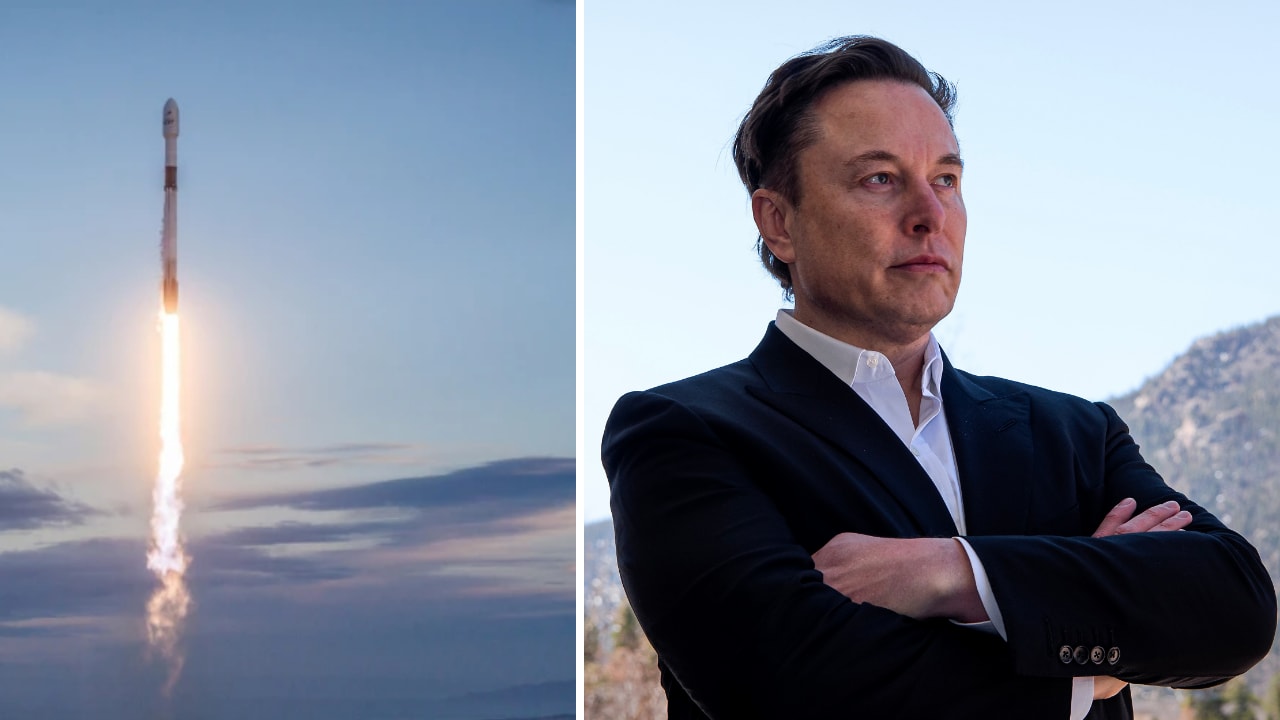
On Saturday, Nov. 14, SpaceX (SPCX) caught Starship’s upper stage with its launch tower for the first time. On Sunday, a Vulcan rocket from United Launch Alliance (ULA), the joint venture of Boeing (BA) and Lockheed Martin, failed about 10 minutes into flight, destroying 40 Amazon Leo satellites. It was ULA’s first mission failure since it formed in 2006.
Elon Musk asked a critic on X how SpaceX can “catch giant starships from orbit with chopsticks and deliver 85% of all Earth payload to orbit with Falcon.” Then he turned to Boeing: “why is it that Boeing and Lockheed received several times what SpaceX did from the government for development of their rockets and spacecraft, but the Boeing capsule is still not operational and ULA delivers less than 5% of SpaceX payload to orbit?”
He also quoted his 2014 post about testifying to the Senate against ULA’s “monopoly contract for national security launches,” captioned “12 years ago.”
85% Is Close to Right
SpaceX’s prospectus put its share of the world’s mass to orbit above 80% in 2025, when Falcon 9 flew 165 times, more than half of all orbital launches.
Vulcan’s Sunday flight was its first in nine months. Reuters reported that the Pentagon hadn’t yet cleared Vulcan to fly national security payloads again and was waiting on this mission. The investigation ahead is expected to keep the rocket off the market for months.
SpaceX’s Best Customer Is SpaceX
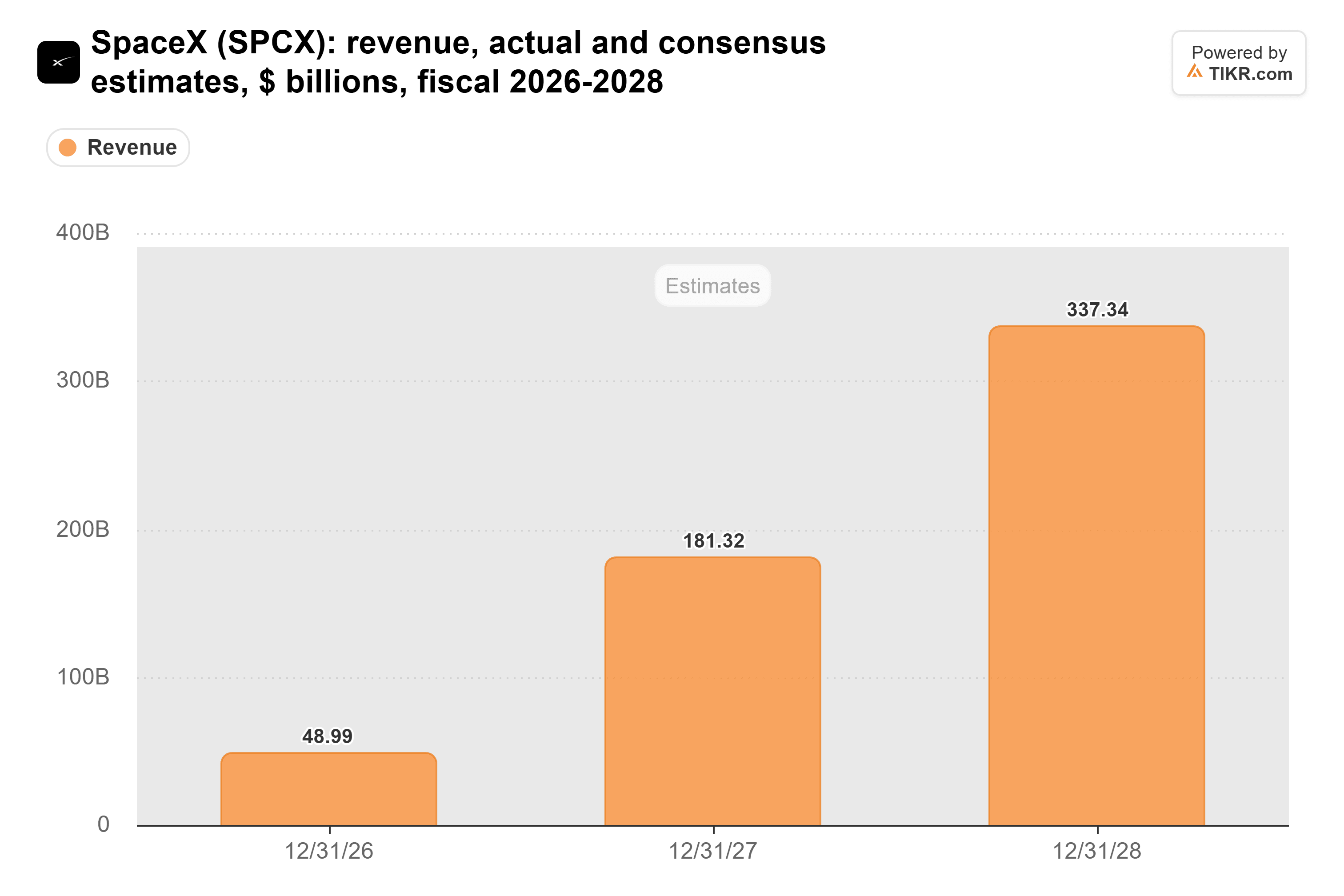
Twenty-three of SpaceX’s 35 third-quarter launches carried its own payloads, mostly Starlink. Analysts expect revenue to climb from $49.0 billion in fiscal 2026 to $337 billion in fiscal 2028, and AI is doing the lifting: Super Intelligence supplied $6.75 billion of the third quarter’s $9.00 billion revenue increase.
TIKR Tracks 40 Analysts on SpaceX. How Many Say “Buy”?
See the full breakdown of Buy, Hold, and Sell ratings on SpaceX, along with Wall Street’s revenue and earnings estimates, all in one place. More than 500,000 investors use TIKR to research stocks like this one. See SpaceX’s Analyst Ratings
Boeing Got More Money and Flew Less
For the capsules alone, the gap was smaller than “several times”: NASA awarded Boeing $4.2 billion for Starliner in 2014 and SpaceX $2.6 billion for Crew Dragon. (Musk’s reply to a post laying out those numbers: “Yup.”)
Starliner’s only crewed flight, in 2024, stranded two astronauts on the space station for more than nine months until a Dragon brought them home. Its next crewed flight is planned for 2028. Boeing’s annual report shows $523 million of Starliner charges in 2024, taking the total past $2 billion. On a fixed-price contract, that’s nearly half the original contract value.
Space Is a Small Piece of Boeing
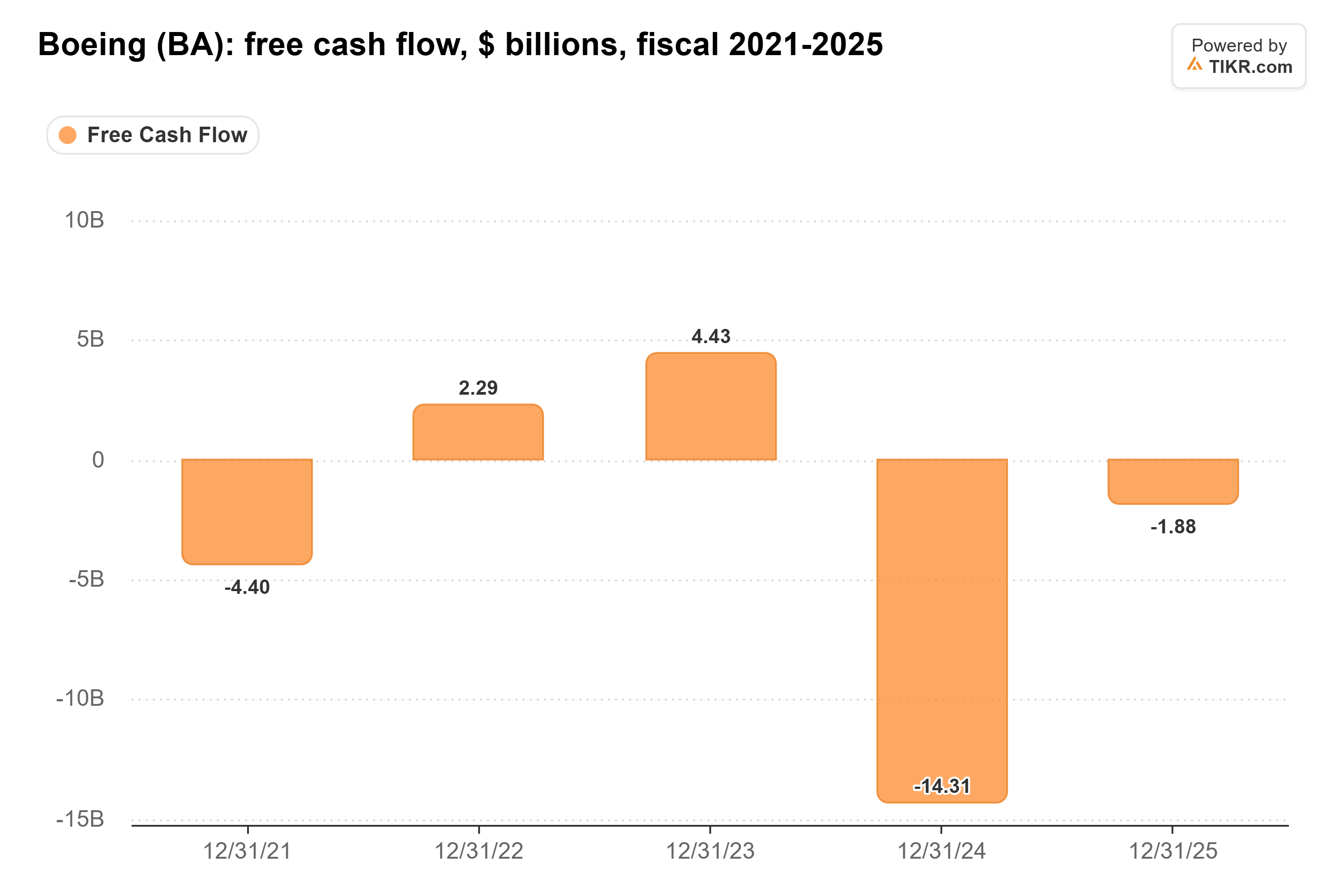
Space sits inside Defense, Space & Security, which brought in $27.2 billion of Boeing’s $89.5 billion of 2025 revenue. Excluding one-time items like 2025’s $9.6 billion sale gain, Boeing’s EBIT margin was -15.1% in 2024 and -5.8% in 2025, and free cash flow was negative in three of the last five years.
SpaceX’s Lead Just Got Wider
Boeing is a jet stock, and I wouldn’t trade it on Sunday. The failure bites in national security launch, the market Musk fought ULA for in 2014. But the 85% comes from Falcon, and SpaceX has reportedly stopped taking new commercial Falcon 9 orders, so its lead leans more on Starship. Musk targets weekly flights in the first half of 2027. SpaceX hasn’t said whether the ship it caught will fly again.
So What Is SpaceX Stock Actually Worth?
TIKR lets you forecast the future price of any stock in less than a minute. Just enter a few assumptions into TIKR’s valuation model and see what SpaceX could be worth. Start from Wall Street consensus estimates, or adjust the inputs to reflect your own view of the business. It’s free to use.
Disclaimer:
Please note that the articles on TIKR are not intended to serve as investment or financial advice from TIKR or our content team, nor are they recommendations to buy or sell any stocks. We create our content based on TIKR Terminal’s investment data and analysts’ estimates. Our analysis might not include recent company news or important updates. TIKR has no position in any of the stocks mentioned. Thank you for reading, and happy investing!


