Key Takeaways
- A $6.4 billion fund sold all of its SpaceX, CarMax and Taiwan Semiconductor shares in the third quarter, its latest 13F shows.
- Wall Street’s average price targets sit above all three stocks, from 19% upside at CarMax to 79% at SpaceX.
- SpaceX’s bull case leans heavily on one big customer for its AI computing business, and analysts expect $150 billion of negative free cash flow in 2027.
- Taiwan Semiconductor looks like the sale most worth second-guessing, with sales still climbing fast and a multiple below its five-year average.
Apollo Management Holdings walked away from three stocks in the third quarter. Its 13F for the quarter ended Sept. 30, filed Nov. 16, shows it no longer owned SpaceX (SPCX), CarMax (KMX) or Taiwan Semiconductor (TSM), all of which it held at the end of June.
That 13F holds $6.43 billion of US stocks across 72 positions. Two of the three sit at the center of the AI buildout, and CarMax is in the middle of a turnaround under CEO Keith Barr, who took over in March.
SpaceX’s targets went up as the stock came down
At the end of June, the fund held 2.02 million SpaceX shares worth $346 million, 4.9% of its 13F portfolio and its biggest stake of the three. By Sept. 30, it was all gone. The stock has fallen 16% since then and is 36% below its 52-week high, though the filing can’t tell us what the fund got for its shares.
Analysts have moved the other way. Their average target has more than doubled since SpaceX listed in June:
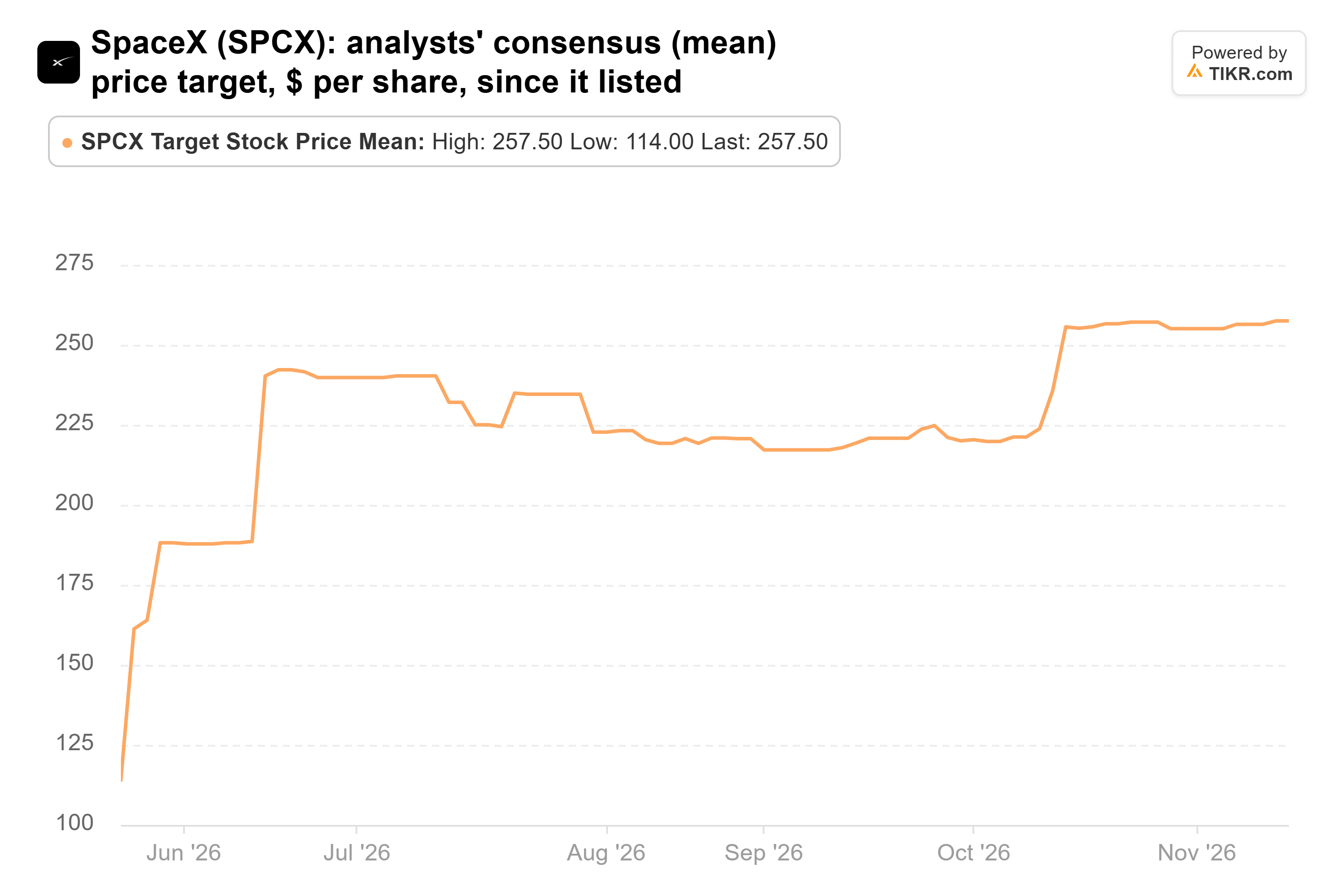
That $257.50 average, from 40 analysts, sits 79% above today’s price. Analysts have raised their 2027 and 2028 revenue estimates by 146% and 200% since the end of June, as its AI compute business took off. At about 47x forward earnings, investors are already paying for a lot of that growth.
TIKR tracks 40 analysts on SpaceX. How many say “Buy”?
See the full breakdown of Buy, Hold, and Sell ratings on SpaceX, along with Wall Street’s revenue and earnings estimates, all in one place. More than 500,000 investors use TIKR to research stocks like this one. See SpaceX’s Analyst Ratings
CarMax’s plan has numbers behind it
CarMax was the smallest of the three exits by value. The fund held 1.99 million shares worth $105 million at the end of June, 1.5% of its 13F portfolio, and none by Sept. 30. The stock is down 4% since then and 22% below its 52-week high.
In the quarter ended Aug. 31, revenue rose 19.5% to $7.9 billion, comparable-store used unit sales climbed 13%, and GAAP diluted EPS jumped 81% to $1.16. CarMax paid for some of that volume with lower prices: retail gross profit per vehicle fell $111 from a year earlier. On Nov. 3, management set targets of mid-single-digit yearly growth in retail units and mid-teens yearly growth in adjusted EPS through fiscal 2030, from fiscal 2026’s base.
Analysts have warmed up a lot over the past year:
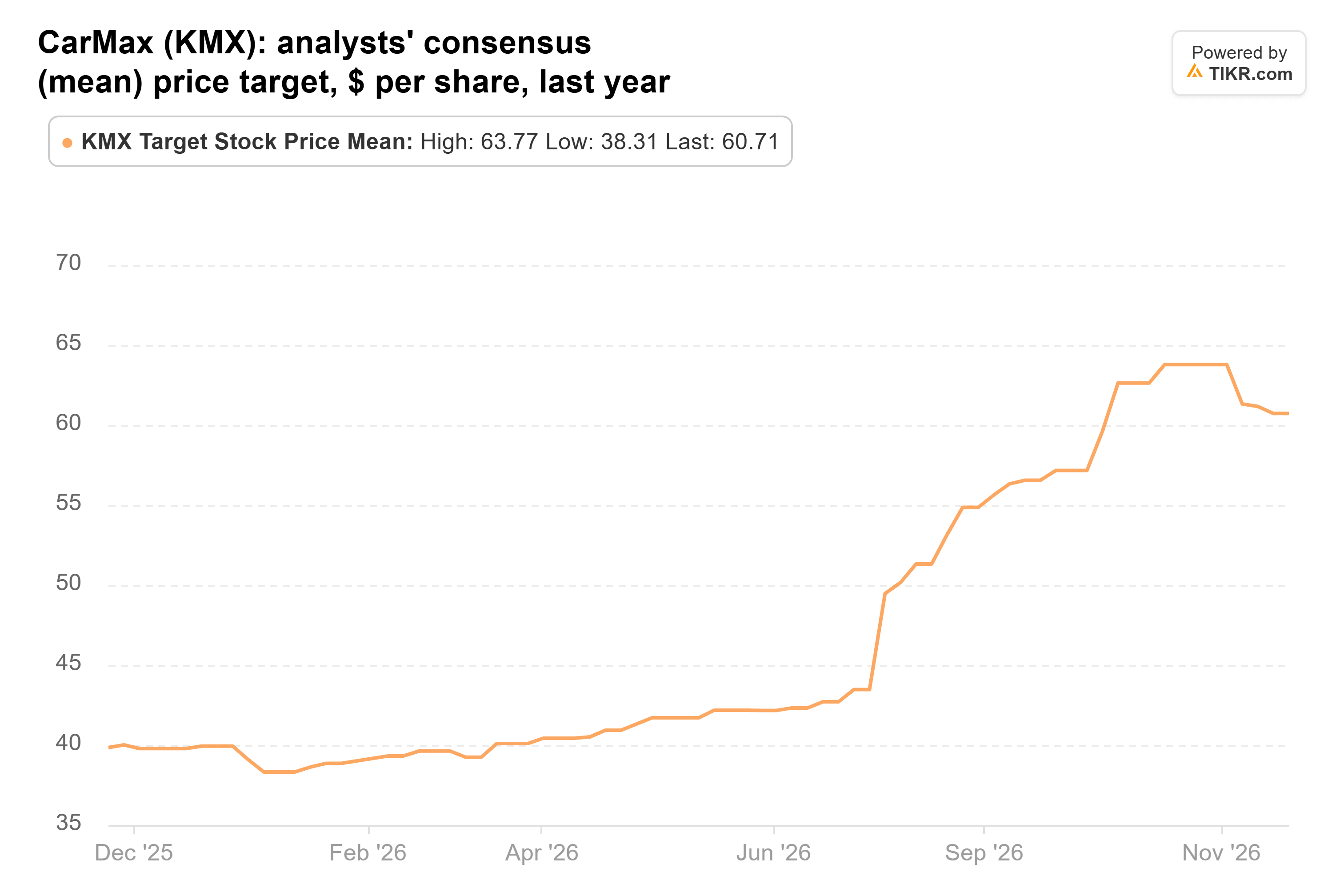
The average target of $60.71, from 21 analysts, is 19% above today’s price and just below its mid-October peak of $63.77. The lowest target on the Street is now $47, up from $25 a year ago. At about 15x forward earnings, CarMax doesn’t need much more than its own plan to work, and its next report, due in December, is the first check on it.
TSMC’s sales kept climbing as the stock fell
Taiwan Semiconductor has had the roughest ride since Sept. 30. The fund held 200,000 shares worth $96 million at the end of June, 1.3% of its 13F portfolio, and none by Sept. 30. The stock is down 24% since then and 26% below its 52-week high. A 13F leaves out stocks listed outside the US, so this one can’t show whether the fund owns TSMC’s Taipei-listed shares instead.
TSMC’s October revenue jumped 59.7% to NT$586.89 billion, its biggest month of 2026, and its third-quarter gross margin reached 66.4%, up from 59.5% a year earlier. Analysts have raised their 2027 earnings estimate 16% since the end of June, and the average target kept climbing:
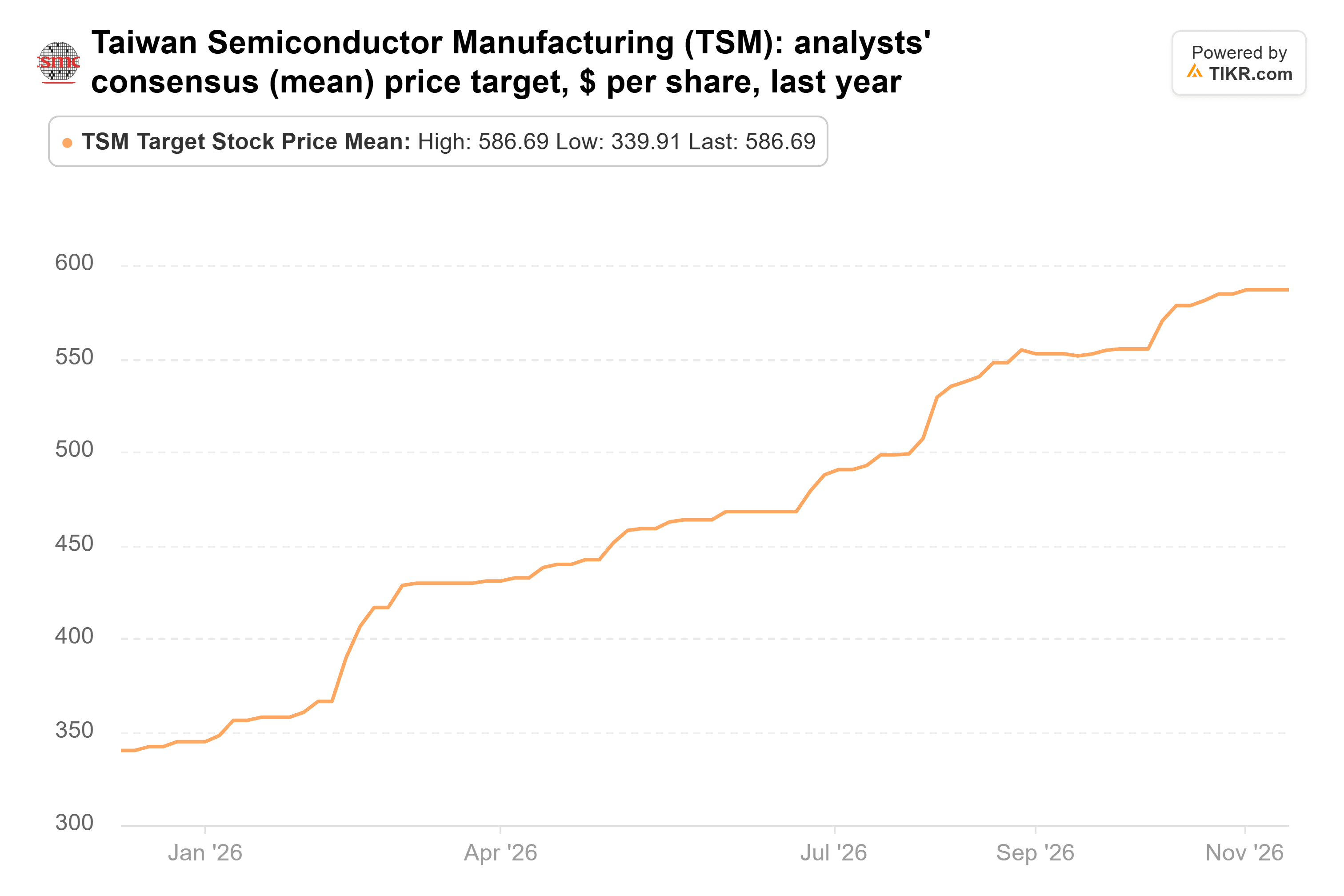
The average target of $586.69, from 21 analysts, sits 62% above today’s price. Even the lowest target on the Street, $440, is above where the stock trades now. And at about 17x forward earnings, TSMC is just below its five-year average of about 18x.
The one I’d buy back
If I could undo only one of these sales, it’d be Taiwan Semiconductor. Its sales are still climbing fast, every analyst target sits above today’s price, and investors are paying less than usual for its earnings. The risk is that AI demand cools just as the $60 billion to $64 billion TSMC plans to spend this year turns into new capacity in 2028 and 2029.
SpaceX has the most upside on paper, but it’s also the hardest to underwrite. Morgan Stanley puts $170 of its $300 target on enterprise AI, where one customer supplies about two-thirds of SpaceX’s AI segment sales, and analysts expect negative free cash flow of $150 billion in 2027. CarMax sits in between, with a reasonable multiple and a plan that now has to show up in the numbers.
TSMC reports November revenue next month, and it needs at least NT$538 billion to stay on track for the low end of its fourth-quarter guide. Its 2027 guidance follows in mid-January, where I’d want to see a first-quarter gross margin guide of 65% or better. And the fund’s next 13F, due by mid-February, will show whether it went back to any of the three.
So what is SpaceX stock actually worth?
TIKR lets you forecast the future price of any stock in less than a minute. Just enter a few assumptions into TIKR’s valuation model and see what SpaceX could be worth. Start from Wall Street consensus estimates, or adjust the inputs to reflect your own view of the business. It’s free to use.
Disclaimer:
Please note that the articles on TIKR are not intended to serve as investment or financial advice from TIKR or our content team, nor are they recommendations to buy or sell any stocks. We create our content based on TIKR Terminal’s investment data and analysts’ estimates. Our analysis might not include recent company news or important updates. TIKR has no position in any of the stocks mentioned. Thank you for reading, and happy investing!