Key Takeaways
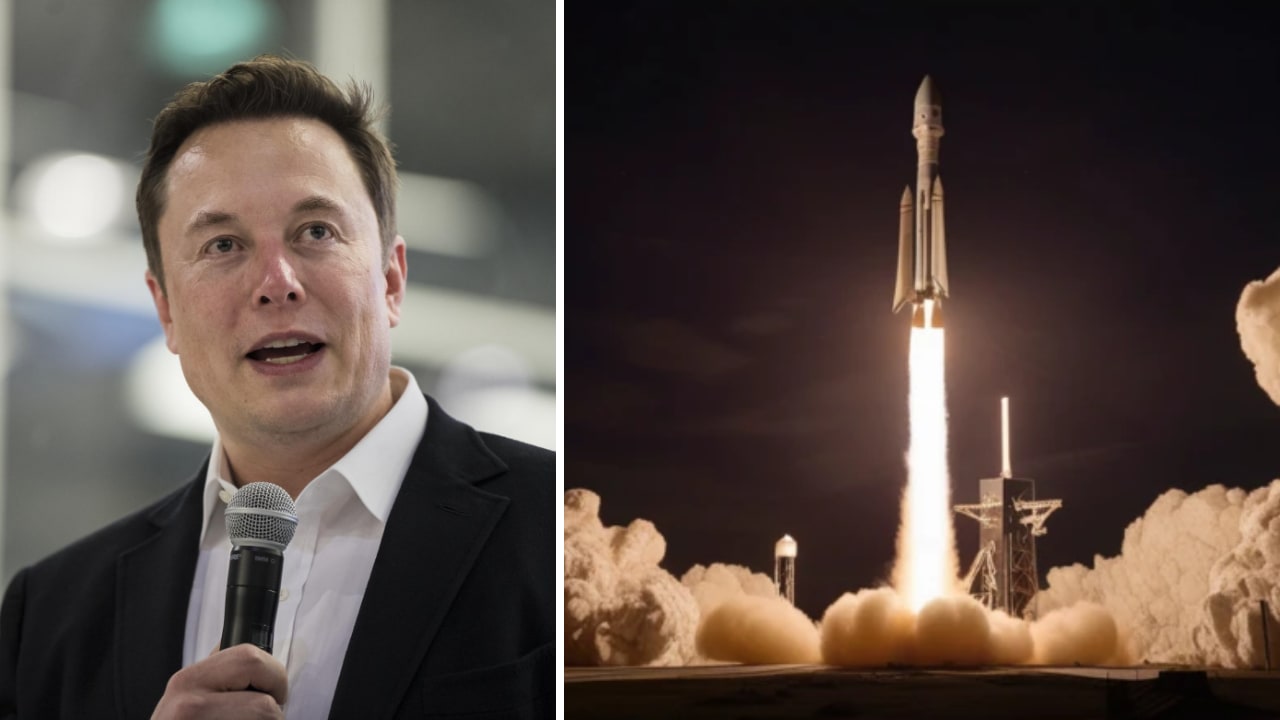
- Elon Musk said SpaceX (SPCX) isn’t “serving open source models” after CNBC reported that its Cursor unit is considering phasing out Chinese-developed models.
- The Trump administration is reportedly weighing a rule requiring companies to disclose their use of Chinese AI models such as Alibaba’s (BABA) Qwen, and Cursor’s Composer 2 was built on a version of Moonshot AI’s Kimi.
- Price is the main draw: one Chinese model runs about 10x cheaper than Anthropic’s (ANT) Sonnet, per a guest on Bloomberg’s Odd Lots podcast.
- For SpaceX shareholders, the compute SpaceX rents to AI labs like Anthropic matters much more than Cursor’s model choices, and a disclosure rule would put more at stake for Alibaba.
SpaceX just landed in the middle of Washington’s fight over Chinese AI.
On Friday, CNBC reported that Cursor, the AI coding platform SpaceX bought in August, told two House committees it’s considering phasing out Chinese-developed open-weight models because of geopolitical risk.
Elon Musk’s response? A question mark, then: “We aren’t serving open source models.“
That answer covers less than it seems to.
A careful choice of words
Musk never said Cursor doesn’t use Chinese models. And Cursor’s own Composer 2 coding model was built on a version of Kimi, which comes from China’s Moonshot AI.
So Musk may be right in the strict sense. A model that Cursor built itself and sells under its own name arguably doesn’t count as “serving open source models.” But that line gets hard to hold if Washington starts naming names.
On Wednesday, Reuters reported that the Treasury Department and the White House Office of Science and Technology Policy have discussed requiring companies to disclose on their websites which Chinese AI models they use.
Some have described it as a “name and shame” campaign. And since there’s no rule text yet, nobody knows whether a model built on Kimi would count.
TIKR tracks 42 analysts on SpaceX. How many say “Buy”?
See the full breakdown of Buy, Hold, and Sell ratings on SpaceX, along with Wall Street’s revenue and earnings estimates, all in one place. More than 500,000 investors use TIKR to research stocks like this one. See SpaceX’s Analyst Ratings
Cheap tokens are the whole appeal
On Friday’s episode of Bloomberg’s Odd Lots, Tracy Alloway asked Daniel Saedi, whose company builds on Chinese open-weight models, to rank what those models offer. His answer: “I think the most important thing is cost.”
He said the newest DeepSeek model is “really cheap to run,” at “about 30 cents per million blended” tokens. That’s roughly 10x cheaper than Anthropic’s Sonnet. And Airbnb reportedly uses Alibaba’s Qwen model to run an AI customer service agent.
That gives Alibaba more at stake than SpaceX. In its September-quarter results on Nov. 19, Alibaba said AI Cloud and Compute Services revenue grew 53% from a year earlier, and revenue from external customers in that business grew 64%.
The question for Alibaba shareholders is how much of that comes from US developers, since that’s the business a name-and-shame list would put at risk.
Cursor is a sliver of SpaceX
If SpaceX gives up those cheap tokens, the cost falls on a small part of the business. Analysts expect revenue to grow from $49.0 billion this year to $182 billion in 2027 and $336 billion in 2028:
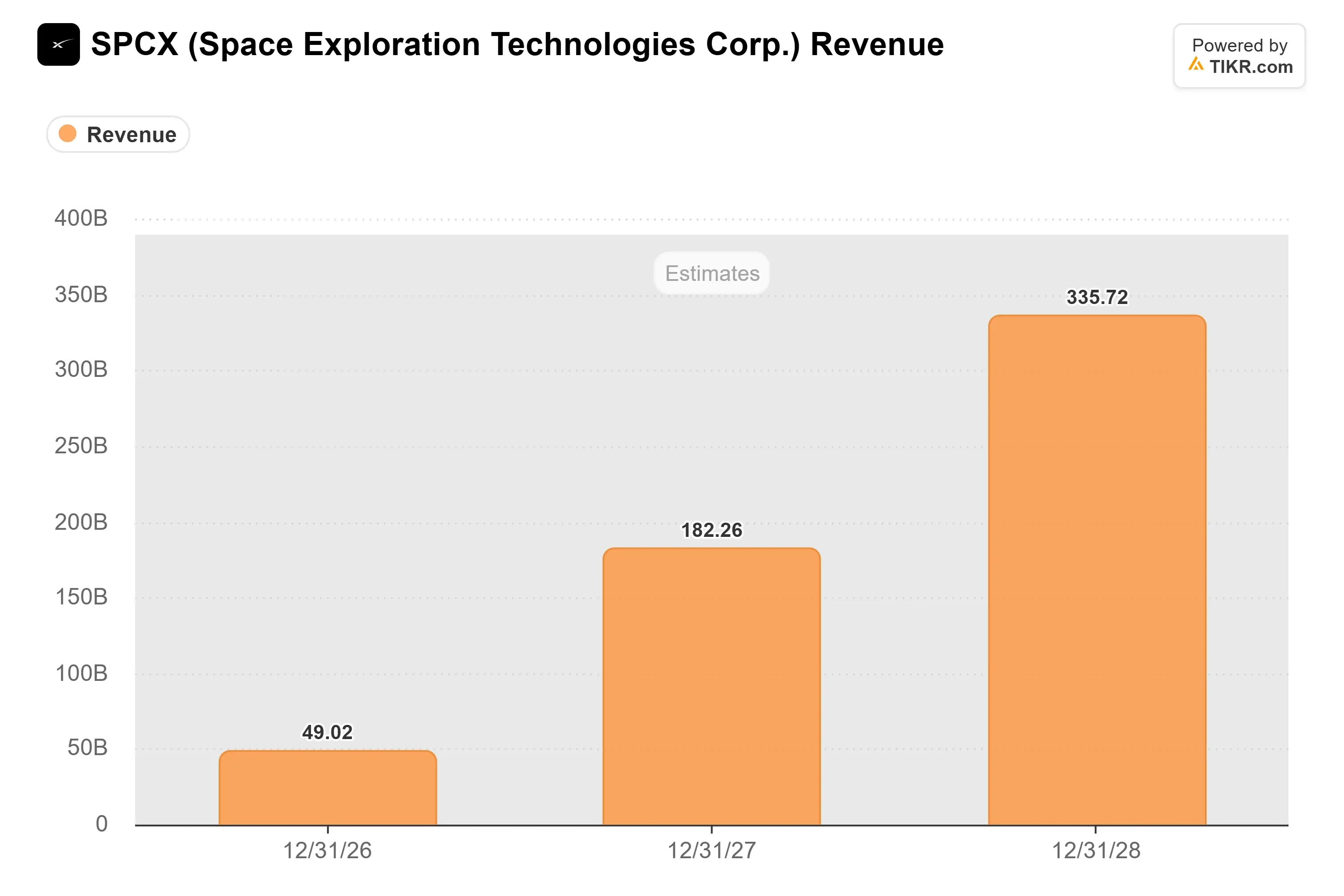
That growth depends on renting data-center compute to AI labs. SpaceX’s Super Intelligence segment, which holds that business, brought in $7.6 billion of Q3 revenue.
Nothing in Friday’s back-and-forth should move those estimates. Cursor brought in $608 million from Aug. 14 to Sept. 30, about 4% of the quarter’s $14.6 billion.
Cursor’s token bill doesn’t show up in SpaceX’s margins either. Gross margin rose to 62.5% in Q3, the first that included Cursor, up from 55.3% in the second:
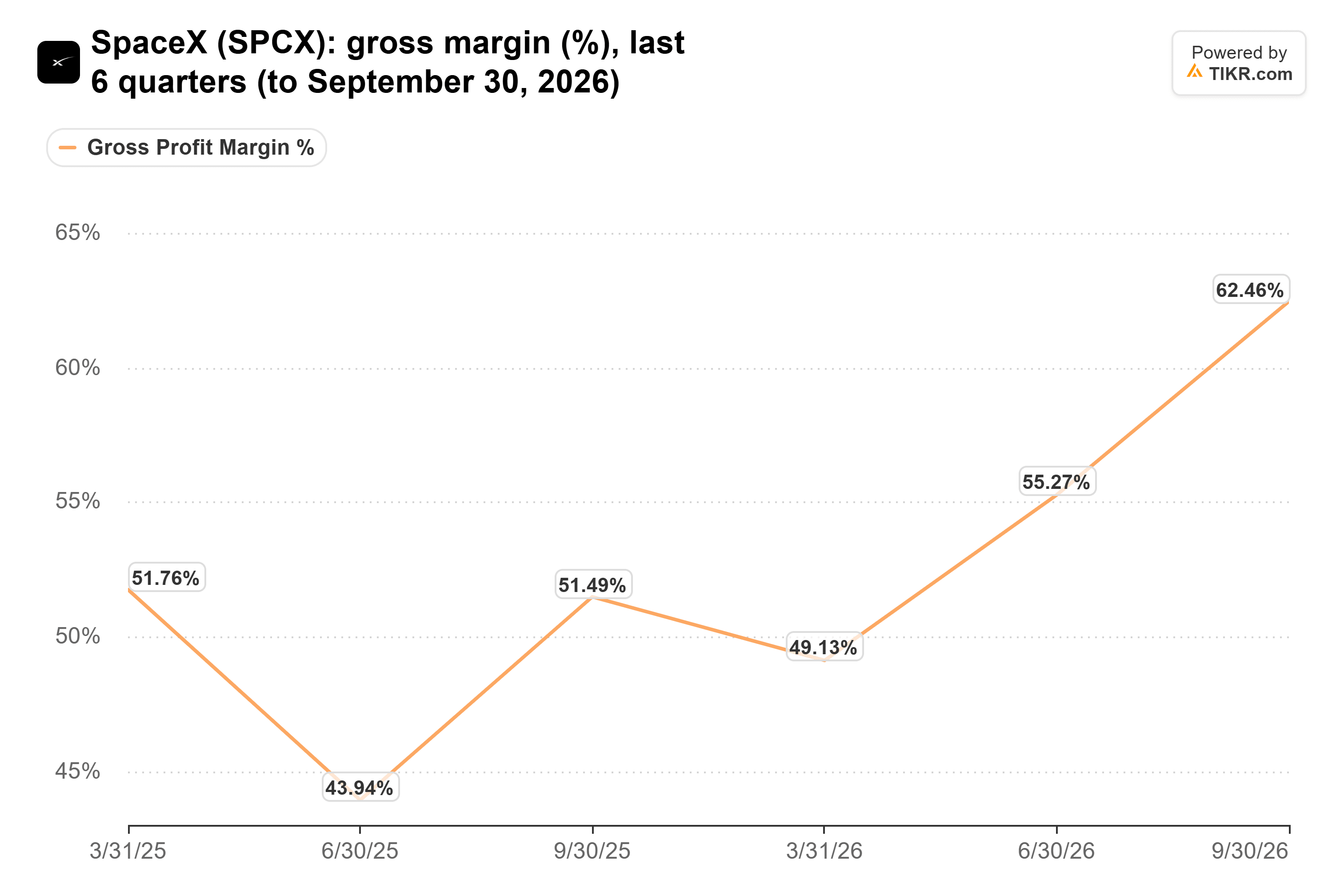
Management said on the Q3 call that tariff refunds gave Starlink’s gross margin a one-time boost of roughly three points.
If Cursor does phase out Chinese models, whatever it gives up will be too small to see in that number.
A disclosure rule could help SpaceX
My read: if naming and shaming makes Chinese tokens awkward for US companies to use, more of that work moves to US models, and US models run on rented US compute.
Anthropic, which began trading Friday, is SpaceX’s largest compute renter. Its contract pays SpaceX $1.25 billion a month through May 2029, though either side can leave on 90 days’ notice.
The way I see it, Cursor’s model mix is a bad headline for SpaceX, and a small problem next to the compute business.
That could change if the administration writes an actual rule. SpaceX’s Q4 report early next year is the bigger test: December revenue has to reach about $8.3 billion to hit the company’s $100 billion annualized revenue goal.
So what is SpaceX stock actually worth?
TIKR lets you forecast the future price of any stock in less than a minute. Just enter a few assumptions into TIKR’s valuation model and see what SpaceX could be worth. Start from Wall Street consensus estimates, or adjust the inputs to reflect your own view of the business. It’s free to use.
Disclaimer:
Please note that the articles on TIKR are not intended to serve as investment or financial advice from TIKR or our content team, nor are they recommendations to buy or sell any stocks. We create our content based on TIKR Terminal’s investment data and analysts’ estimates. Our analysis might not include recent company news or important updates. TIKR has no position in any of the stocks mentioned. Thank you for reading, and happy investing!